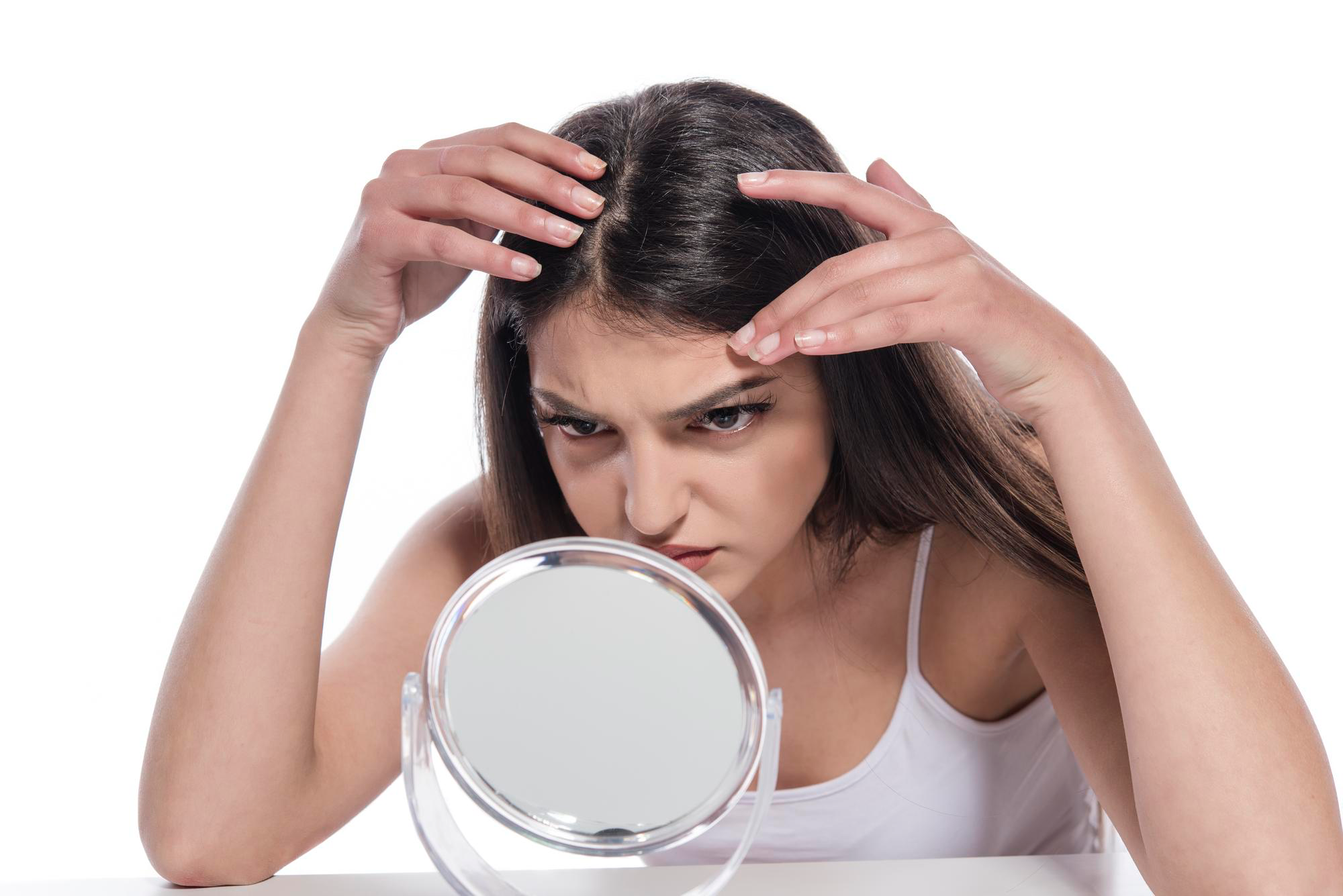
The most common causes of hair loss in Malaysia include genetic pattern hair loss, stress related shedding, hormonal changes, nutritional deficiencies and tight hairstyling habits.
Some causes are temporary and resolve on their own, while others may need proper medical attention to slow down or manage.
Key Takeaways
- Hair loss in Malaysia is commonly linked to genetics, hormonal shifts, stress, nutritional gaps and hairstyling habits, not just ageing alone.
- Temporary shedding from stress, illness or postpartum changes usually looks different from gradual, pattern-based hair thinning.
- Certain signs, such as patchy bald spots or sudden severe shedding, are worth having assessed by a professional rather than self-treated.
- Understanding the underlying cause matters because the right approach for genetic thinning is different from the approach for temporary shedding.
Is It Genetics, Stress, or Something Else?
Before worrying about the cause, it helps to notice the pattern.
Gradual thinning at the crown or a receding hairline that develops slowly over years often points towards genetic, hormone-related hair loss known as androgenetic alopecia.
This is commonly described as the leading cause of hair loss among Malaysian men, and it can also affect women, usually appearing as overall thinning rather than a receding hairline.
On the other hand, sudden, widespread shedding that appears a few months after an illness, a stressful period, surgery, or childbirth is more likely to be a temporary condition called telogen effluvium.
This type of hair loss can look alarming because of how much hair comes out at once, but it often improves within several months once the underlying trigger is addressed.
|
Pattern |
Possible Cause |
Typical Timeline |
|---|---|---|
|
Gradual thinning at crown or hairline |
Genetic (androgenetic alopecia) |
Develops over months to years |
|
Sudden, all-over shedding |
Stress, illness, postpartum, or diet |
Starts 2-3 months after the trigger |
|
Patchy bald spots |
Possible autoimmune or scalp condition |
Can appear suddenly |
Your Genes Might Be the Main Culprit
For many people, hair loss simply runs in the family.
Androgenetic alopecia is linked to how hair follicles respond to hormones called androgens, particularly a derivative called DHT.
Over time, sensitive follicles shrink, produce finer strands and eventually stop growing hair altogether.
In men, this typically shows up as a receding hairline or thinning at the crown.
In women, it more often appears as an overall widening part or reduced density across the scalp rather than complete baldness.
Because this type of hair loss is hormonal and hereditary, it usually needs a different approach compared to temporary shedding and it tends to progress gradually rather than reverse on its own.
Your Body Might Be Telling You Something
Hair loss is not always about the scalp itself. Sometimes it reflects what is happening elsewhere in the body.
Hormonal Changes
Conditions such as thyroid disorders and polycystic ovary syndrome (PCOS) can affect hair growth cycles.
An underactive or overactive thyroid may cause hair to become thinner, drier or more prone to shedding.
Women with PCOS may also notice increased shedding or thinning linked to hormonal imbalance.
Nutritional Deficiencies
Hair follicles need adequate nutrients to function properly.
Low levels of iron, zinc, vitamin D or biotin have been associated with increased shedding in some individuals, which is why some people turn to hair growth supplements to help support these levels.
Crash dieting or very rapid weight loss can also disrupt the hair growth cycle, which is one reason sudden dietary changes sometimes coincide with noticeable hair fall a few months later.
Postpartum and Menopausal Shifts
Many women experience noticeable shedding a few months after giving birth, as hormone levels shift back after pregnancy.
This is usually temporary and tends to settle within several months to a year.
Menopause is another period where hormonal changes may contribute to gradual thinning, sometimes overlapping with age-related or genetic factors.
Everyday Habits That Quietly Damage Hair
Not every cause of hair loss is internal. Some habits place ongoing physical strain on the hair itself.
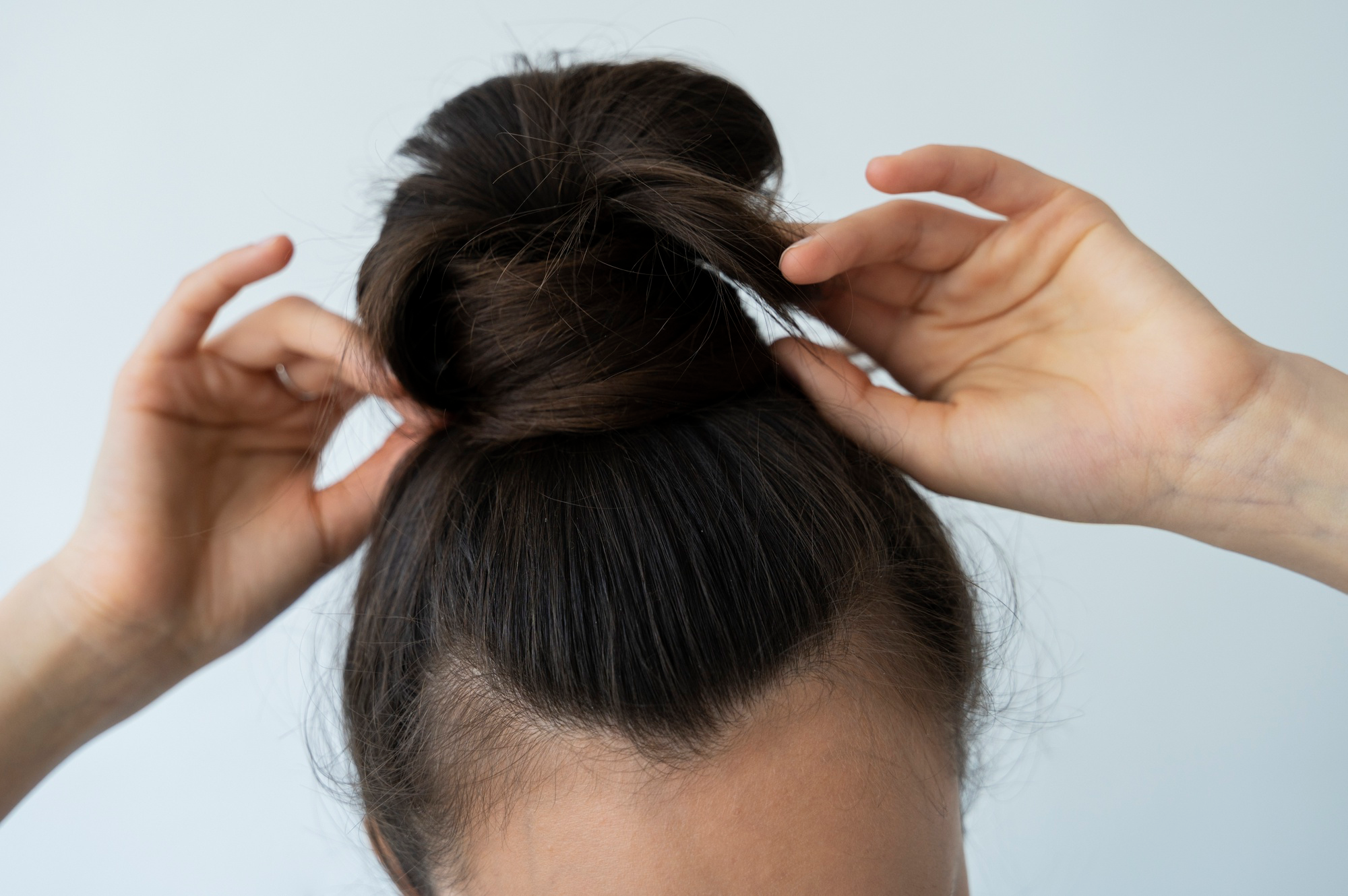
- Tight hairstyles such as tight buns, braids or ponytails worn regularly can lead to traction alopecia, a type of hair loss caused by constant pulling at the roots.
- Tight hijab styling with repeated tension at the hairline is a commonly reported concern among hijab-wearing women in Malaysia, particularly along the front and sides of the scalp.
- Frequent heat styling or chemical treatments can weaken hair strands over time, making them more prone to breakage, though this usually affects the hair shaft rather than the follicle itself.
- Poor scalp hygiene or ongoing scalp conditions such as dandruff or seborrheic dermatitis may contribute to irritation that affects hair health if left unmanaged.
These habits are often overstated as the main cause of hair loss compared to genetics or hormones, but they can still make existing thinning more noticeable or accelerate breakage.
When Shedding Needs a Second Look
Some hair loss patterns are worth having properly assessed rather than managed with home remedies alone.
It may be worth seeking professional advice if you notice sudden, severe shedding that does not improve after a few months, patchy or well-defined bald spots, scalp redness, scaling or pain, or hair loss accompanied by other symptoms such as fatigue, weight changes or irregular periods.
A proper assessment can help identify whether the cause is genetic, hormonal, nutritional or related to an underlying health condition, since the right approach depends heavily on what is actually driving the shedding.
At Hebe Clinic, hair loss concerns can be reviewed as part of a wider consultation, which may include a discussion of your hair growth pattern, medical history and lifestyle factors before considering suitable options such as hair growth supplements, medication or in-clinic treatments like scalp mesotherapy or laser-based therapy, depending on individual assessment.

Understanding the Cause Comes Before the Cure
Hair loss can stem from genetics, hormones, stress, nutrition or everyday styling habits, and often it is a combination of more than one factor.
Trying to fix it with the wrong approach, such as using a genetic hair loss treatment for what is actually temporary shedding, may waste time and money without addressing the real issue.
If your hair loss has been persistent, unusual or worrying you for a while, it may help to have it properly looked into rather than guessing at the cause.
Visit Hebe Clinic to find out more about understanding your hair loss and exploring options that may suit your condition.