Hair loss is often seen as a men’s issue, but the reality is that millions of women experience thinning hair, receding hairlines and noticeable shedding every year.
If you have noticed more hair in your brush, a wider parting or patches that look thinner than they used to, you are not imagining it. Hair loss in women is real, surprisingly common and often misunderstood.
The good news is that understanding why it happens is the first step towards managing it. This article explains the most common causes, the early signs to watch for and what you can do to support healthier hair growth.
Key Takeaways
- Hair loss in women is more common than many people realise and can be triggered by hormonal changes, stress, nutritional gaps or underlying health conditions.
- Early signs include increased shedding, a wider parting, visible scalp and changes in hair texture or volume.
- The type of hair loss matters because different causes require different approaches, from lifestyle adjustments to targeted treatments.
- Professional assessment can help identify the root cause and guide you towards the most suitable solution for your individual situation.
Hair Loss in Women Is More Common Than You Think
Many women assume hair loss only affects men or older adults. In reality, research suggests that around 40% of women will experience some degree of noticeable hair thinning by the age of 50.
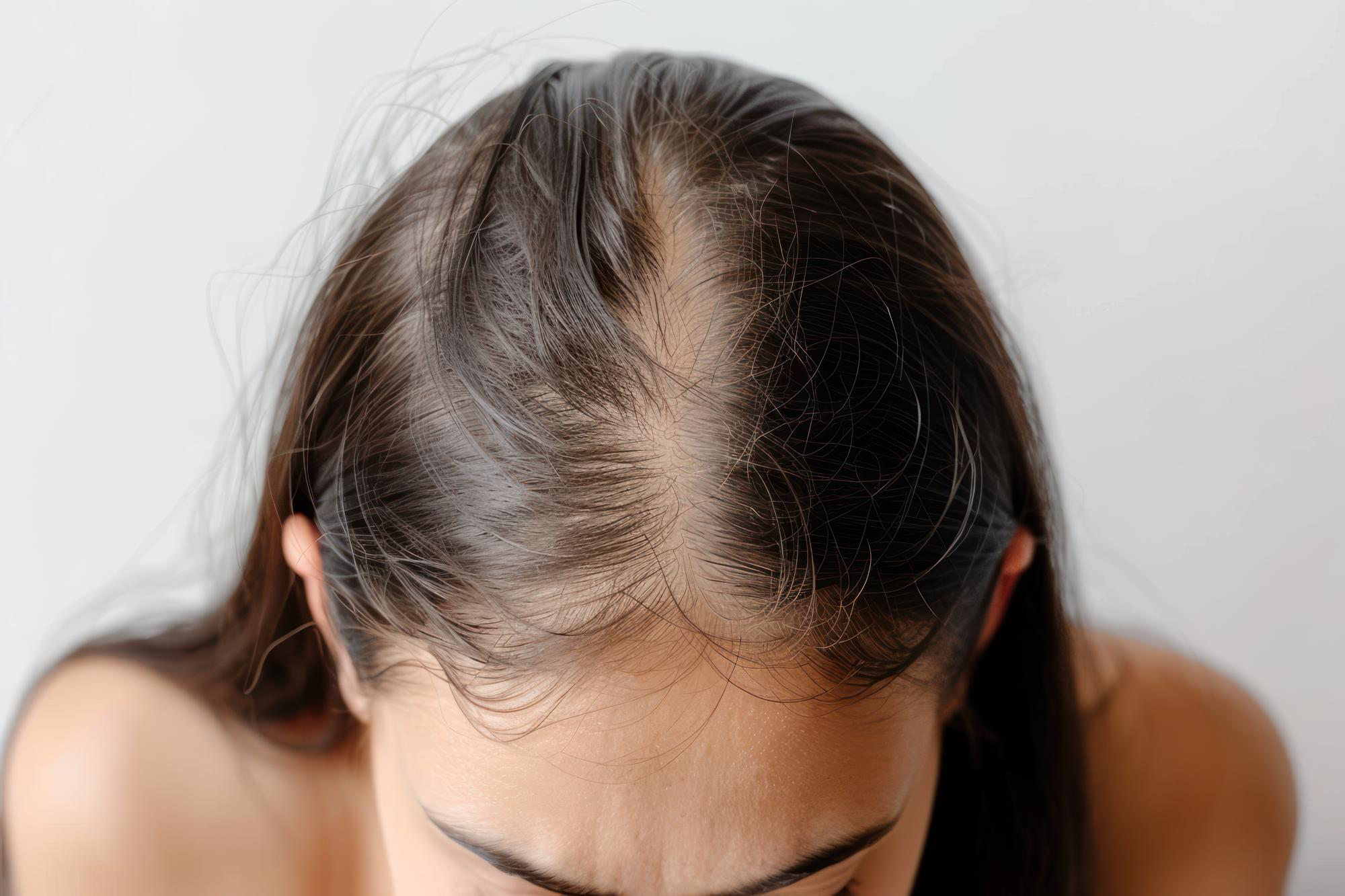
Unlike male pattern baldness, which often starts with a receding hairline or bald spot, hair loss in women typically shows up as diffuse thinning across the scalp. The hairline may remain intact, but the overall volume gradually decreases.
This difference in pattern is one reason why female hair loss is often dismissed or misdiagnosed. Women may be told it is just stress, aging or part of being a woman, when in fact there may be a specific underlying cause that can be addressed.

What Actually Causes Women to Lose Hair?
Hair loss in women is rarely caused by one single factor. It is usually the result of hormonal shifts, nutritional deficiencies, medical conditions, lifestyle stress or a combination of several triggers.
Hormonal Changes and Imbalances
Hormones play a major role in regulating hair growth. When levels fluctuate, hair follicles can become sensitive and start shedding more than usual.
Common hormonal triggers include pregnancy, postpartum recovery, perimenopause, menopause and conditions such as polycystic ovary syndrome (PCOS). Thyroid imbalances, whether overactive or underactive, can also contribute to thinning hair.
Nutritional Deficiencies
Hair follicles need a steady supply of nutrients to produce strong, healthy strands. When the body is low in iron, protein, zinc, vitamin D and hair loss risk increases, as do deficiencies in B vitamins, meaning hair growth may slow down or weaken.
Women who follow restrictive diets, have heavy menstrual periods or experience digestive issues may be at higher risk of deficiencies that affect hair health.
Stress and Lifestyle Factors
Chronic stress can push large numbers of hair follicles into a resting phase, leading to sudden shedding a few months later. This type of hair loss is called telogen effluvium.
Other lifestyle factors such as poor sleep, smoking, excessive heat styling and tight hairstyles can also weaken the hair shaft and contribute to breakage or thinning over time.
Medical Conditions and Medications
Certain health conditions can directly affect hair growth. Autoimmune disorders such as alopecia areata cause the immune system to attack hair follicles, leading to patchy hair loss.
Some medications, including those used for blood pressure, depression or acne, may list hair thinning as a side effect. If you suspect your medication is affecting your hair, it is important to speak with your doctor before making any changes.
The Early Signs You Shouldn’t Ignore
Hair loss in women often begins gradually, making it easy to dismiss the early warning signs. Paying attention to these changes can help you take action sooner rather than later.
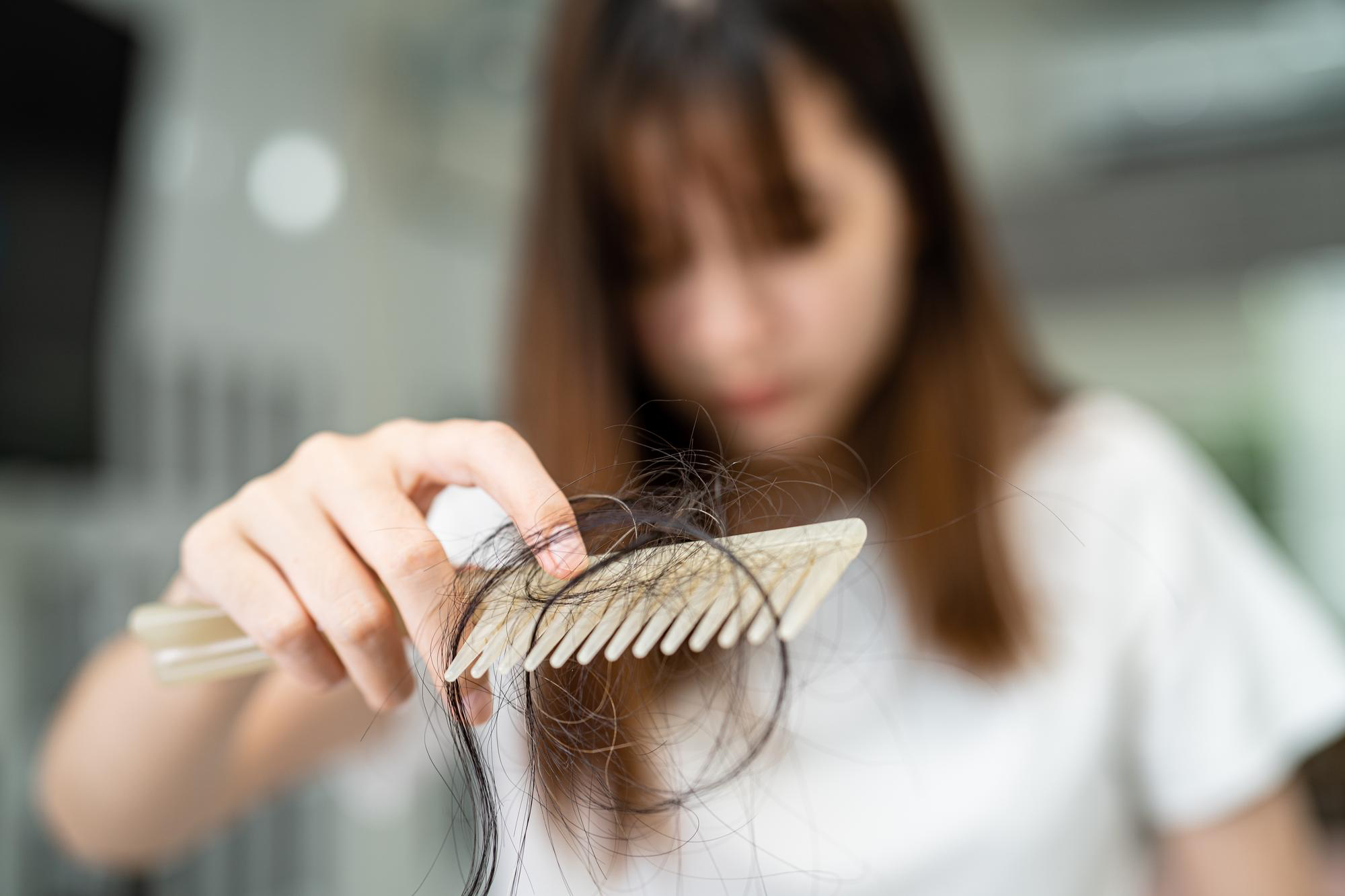
One of the first things women notice is increased shedding. While losing 50 to 100 hairs a day is normal, finding clumps in the shower drain or on your pillow may indicate something more.
A widening parting is another common sign. If the line down the centre of your scalp looks broader than it used to, or if you can see more scalp when you pull your hair back, it may be time to investigate further.
Changes in hair texture, such as strands becoming finer, weaker or more brittle, can also signal that hair follicles are not functioning as they should. Some women also notice that their ponytail feels thinner or that their hair no longer holds volume the way it once did.
How Hair Loss in Women Differs from Men
The pattern and progression of hair loss in women is usually quite different from what men experience. Understanding this difference is important when choosing the right treatment approach.
Men typically develop a receding hairline or bald patches on the crown. Women, on the other hand, tend to experience diffuse thinning across the entire scalp, with the hairline often remaining intact.
This means that while a man’s hair loss may be obvious early on, a woman’s thinning can be harder to detect until it becomes more advanced. Women are also more likely to experience temporary shedding triggered by hormonal events or stress, whereas male pattern baldness is usually progressive and genetic.
What You Can Do to Support Hair Regrowth
Once you understand what is causing your hair loss, you can take steps to support healthier regrowth. The right approach depends on the underlying trigger, but there are several strategies that may help.
Address Nutritional Gaps
If your hair loss is linked to iron deficiency hair loss, low protein or vitamins, improving your diet or taking targeted supplements may make a noticeable difference over time. A blood test can help identify any deficiencies that need attention.
Manage Stress and Sleep
Reducing chronic stress and prioritising rest can help restore normal hair cycles. Practices such as regular exercise, mindfulness and setting boundaries around work or commitments may support overall wellbeing and hair health.
Be Gentle with Your Hair
Avoid tight hairstyles that pull on the scalp, reduce heat styling and use a gentle shampoo that does not strip natural oils. Treating your hair with care can prevent further breakage while you work on the root cause.
Consider Professional Hair Growth Support
For women experiencing persistent or progressive thinning, professional treatments may help stimulate dormant follicles and improve scalp health. Options such as hair supplements, topical serums, hair cytokine mesotherapy and laser therapy are designed to support the natural hair growth cycle.
At Hebe Clinic, treatments such as hair supplements and serums, hair cytokines growth factor mesotherapy and Fotona Hair Restart Laser are available to help address different types of hair thinning based on individual needs.
When to Seek Professional Help
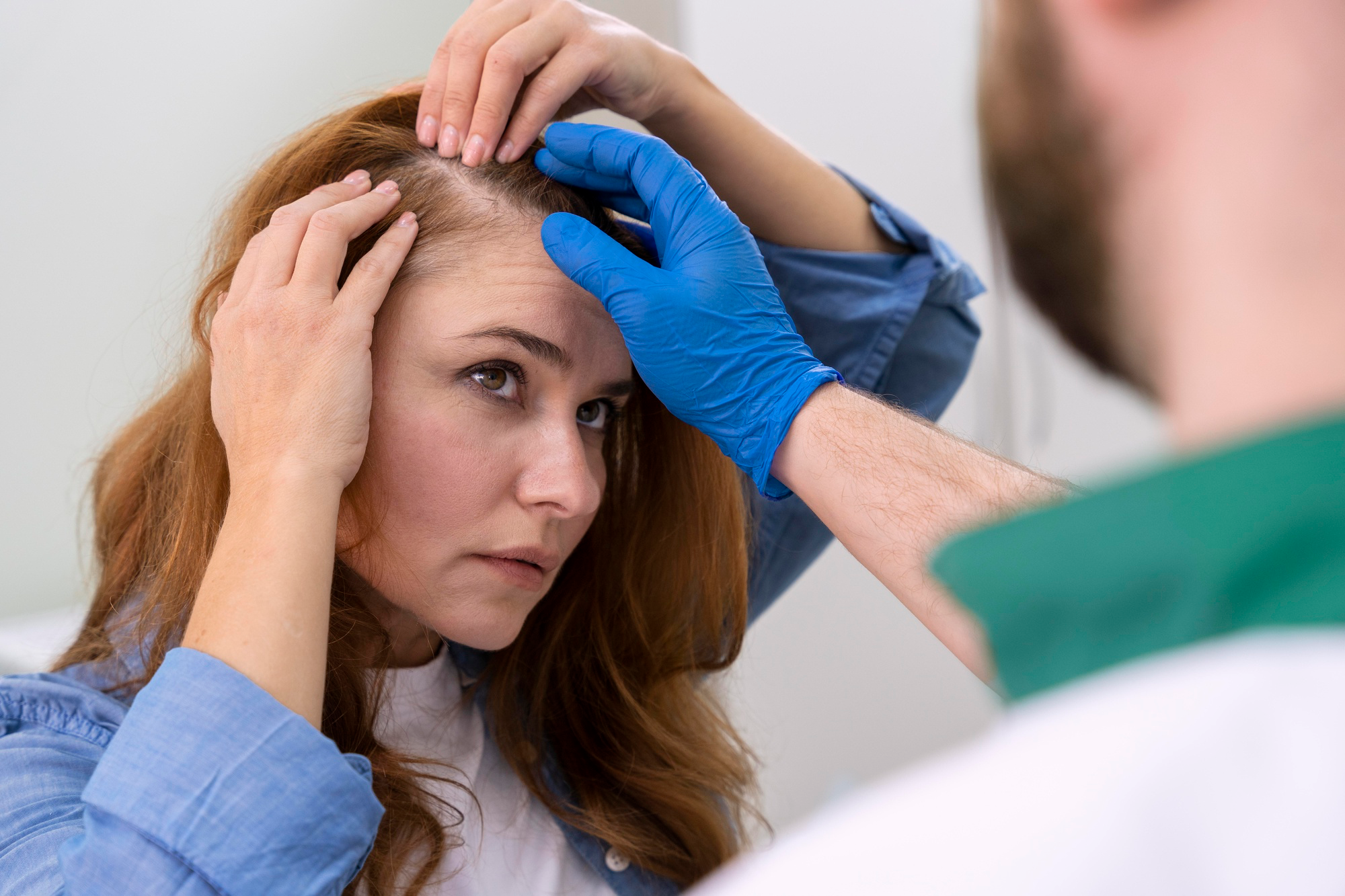
If your hair loss is sudden, patchy or accompanied by other symptoms such as fatigue, weight changes or skin issues, it is important to seek medical advice. These may be signs of an underlying condition that needs treatment.
A professional assessment can help identify whether your hair loss is hormonal, nutritional, stress-related or linked to a medical condition. From there, a personalised plan can be developed to address the root cause and support regrowth.
Even if your hair loss seems mild, early intervention can make a significant difference in preserving hair density and preventing further thinning.
Take the First Step Towards Healthier Hair
Hair loss in women is more common than most people realise, but it does not have to be permanent. Understanding the cause is the first step towards finding a solution that works for your individual situation.
Whether your thinning is linked to hormones, nutrition, stress or another factor, there are ways to support your scalp health and encourage regrowth. The key is to take action early and seek guidance from professionals who understand the unique challenges women face.
Visit Hebe Clinic to explore personalised treatment options and take the first step towards healthier hair today.