Healthy skin constantly renews itself by replacing old cells with new ones. In younger adults, this process usually takes around 27 to 30 days. As we age, skin cell turnover naturally slows, causing dullness, fine lines, uneven skin tone and slower healing.
While aging cannot be stopped, healthy lifestyle habits, a consistent skincare routine and professional skin rejuvenation treatments can help support skin renewal. This article explains how often our skin cells regenerate, why the process slows with age and what you can do to maintain healthier, stronger skin.
Why Skin Cell Renewal Matters
Have you noticed that your skin doesn’t recover as quickly as it used to? Spots seem to take longer to fade, your complexion appears dull and fine lines become more noticeable over time. One of the main reasons is that your skin renews itself more slowly as you age.
Understanding how often our skin cells regenerate can help you make better decisions about skincare and professional treatments. While your body continues producing new skin cells throughout your life, the process gradually becomes less efficient. Fortunately, there are ways to help support healthier skin renewal.
How Your Skin Renews Itself
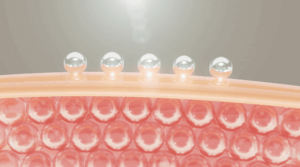
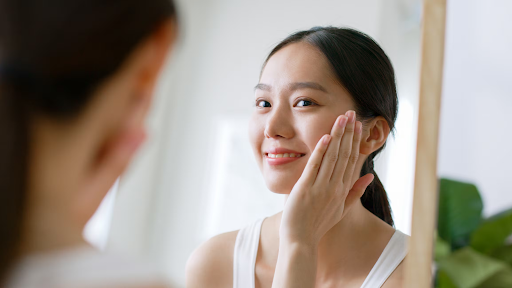
Your skin is constantly replacing old cells with new ones. Fresh skin cells are produced in the deepest layer of the epidermis before slowly moving towards the surface. Along the way, they mature and eventually become part of the outer protective layer before naturally shedding.
For most healthy young adults, this process takes about 27 to 30 days. During this time, your skin repairs everyday damage, maintains its protective barrier and keeps your complexion looking smooth and healthy.
The layers beneath the surface also play an important role. Collagen and elastin provide strength and elasticity, helping the skin stay firm while supporting the production of healthy new cells.
How Age Affects Skin Renewal
As we get older, skin renewal becomes slower.
Age | Average Skin Cell Turnover |
Children | Around 14 to 21 days |
20s to early 30s | Around 27 to 30 days |
40s to 50s | Around 35 to 45 days |
60 and above | Around 40 to 60 days or longer |
When skin takes longer to renew itself, dead skin cells remain on the surface for longer. This can lead to a dull complexion, uneven skin tone, rough texture and slower healing after acne or minor injuries.
Why Skin Renewal Slows
Several natural changes happen as we age.
One reason is that skin produces fewer new cells than it did when we were younger. At the same time, collagen production gradually declines, making the skin thinner and less able to repair itself efficiently.
Years of exposure to sunlight also have a major impact. Ultraviolet (UV) rays damage skin cells and break down collagen, making it harder for the skin to renew itself. Pollution, smoking, poor sleep and an unhealthy diet can also contribute to slower skin regeneration.
Hormonal changes, particularly during menopause, may further reduce hydration and skin thickness, making signs of ageing more noticeable.
How Malaysia’s Climate Affects Your Skin
Malaysia’s hot and sunny climate means our skin faces daily exposure to high levels of UV radiation. Even on cloudy days, UV rays can speed up skin aging and increase pigmentation problems such as melasma and post-inflammatory hyperpigmentation.
Humidity helps keep the skin hydrated, but sweat, excess oil and pollution can still affect the skin barrier and contribute to irritation if not properly managed.
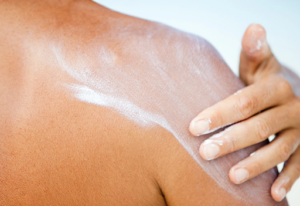
Using sunscreen every day and following a consistent skincare routine are especially important for protecting your skin in tropical weather.
Skincare or Professional Treatments?
A good skincare routine provides the foundation for healthy skin. Ingredients such as retinoids, antioxidants and peptides can help improve skin texture, support collagen production and reduce the effects of daily environmental damage.
However, topical products mainly work on the outer layers of the skin. They may not be enough to address deeper collagen loss or more advanced signs of aging.
Professional skin rejuvenation treatments are designed to target deeper layers of the skin and may help support collagen production as part of an overall treatment plan.
Treatments such as skin boosters, polynucleotide injections and biorevitalisation may help to improve skin firmness, hydration and overall texture over time.
Results vary from person to person, and multiple sessions may be recommended depending on individual skin concerns. This is why professional treatments are typically performed as a series rather than a single session.
How to Support Healthy Skin Renewal
Daily habits have a significant impact on how well your skin regenerates.
Applying broad-spectrum sunscreen every day helps prevent UV damage and protects collagen. Getting enough sleep allows your body to repair itself overnight, while eating a balanced diet rich in protein, vitamins and healthy fats provides the nutrients your skin needs.
Avoiding smoking, managing stress and staying hydrated can also support healthier skin over time.
Gentle exfoliation may help remove dead skin cells, but over-exfoliating can damage the skin barrier and slow the renewal process instead. A balanced approach is always best.
Key Takeaways
So, how often do our skin cells regenerate? For most young adults, the process takes around 27 to 30 days. As we age, this can slow to 40 to 60 days or even longer, leading to dullness, uneven skin tone and slower healing.
Although slower skin renewal is a natural part of aging, it does not mean healthier skin is out of reach. Daily sun protection, healthy lifestyle habits, a consistent skincare routine and suitable skin rejuvenation treatments can all help support your skin’s natural ability to repair itself.
If you’re looking for personalised advice on improving your skin health, the team at Hebe Clinic can recommend treatments tailored to your skin concerns and long-term goals.
Alternatively, you may contact our Customer Service team at +6013-911 8712 to schedule an appointment with our specialist for a comprehensive assessment of your skin concerns.