When we describe skin as youthful, we often mean more than wrinkle-free. We notice its smoothness, bounce and how well it holds moisture. Sometimes, it is simply that fresh, well-rested look—even without much makeup.
That is why conversations about aesthetic treatments often include skin quality: how skin looks, feels and behaves overall.
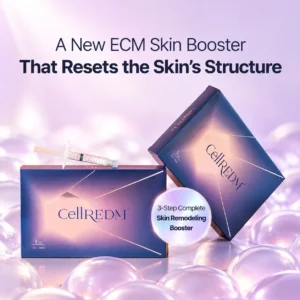
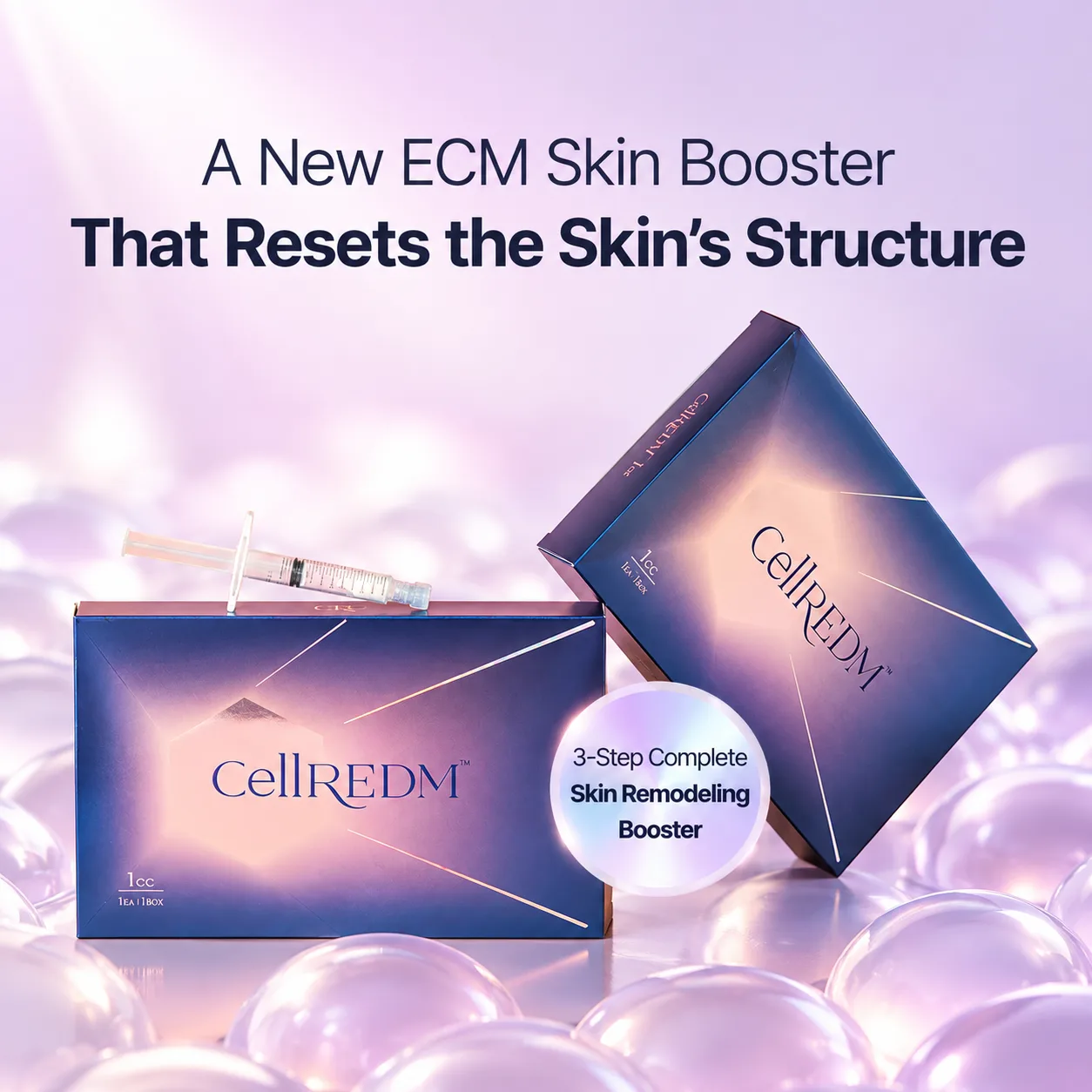
CellREDM is a newer name in this space. Developed by South Korean company HansBiomed, it uses material called an extracellular matrix, or ECM, to support its approach to improving skin quality. The science may sound complicated, but the basic idea is easier to understand than the name suggests.
First, What Is a Skin Booster?
“Skin booster” is a broad term used for injectable treatments that aim to improve skin quality, including hydration, smoothness, fine lines and firmness.
You may have come across names such as NCTF 135 HA, Jalupro Super Hydro, Juvelook and Profhilo. Although their advertised benefits can overlap, their ingredients, formulations and treatment approaches differ.
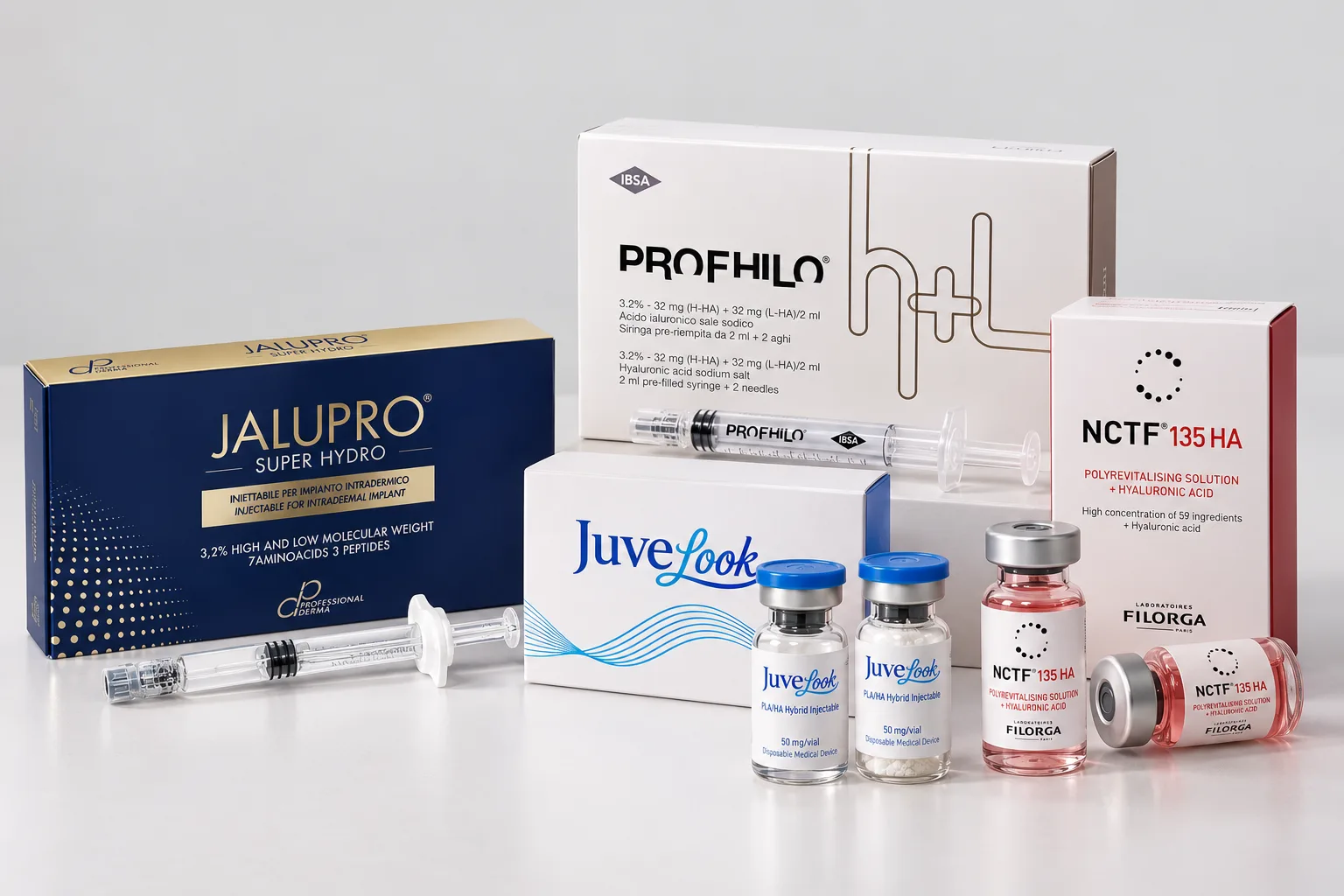
So, why are there so many options? Because everyone’s skin is different. Your skin concerns, medical history and treatment goals all play a part in choosing a suitable option. A treatment that works well for someone else may not give you the same results.
You have a say in that choice. Understanding your skin—and discussing your options with a qualified doctor—can help you make a more informed decision.
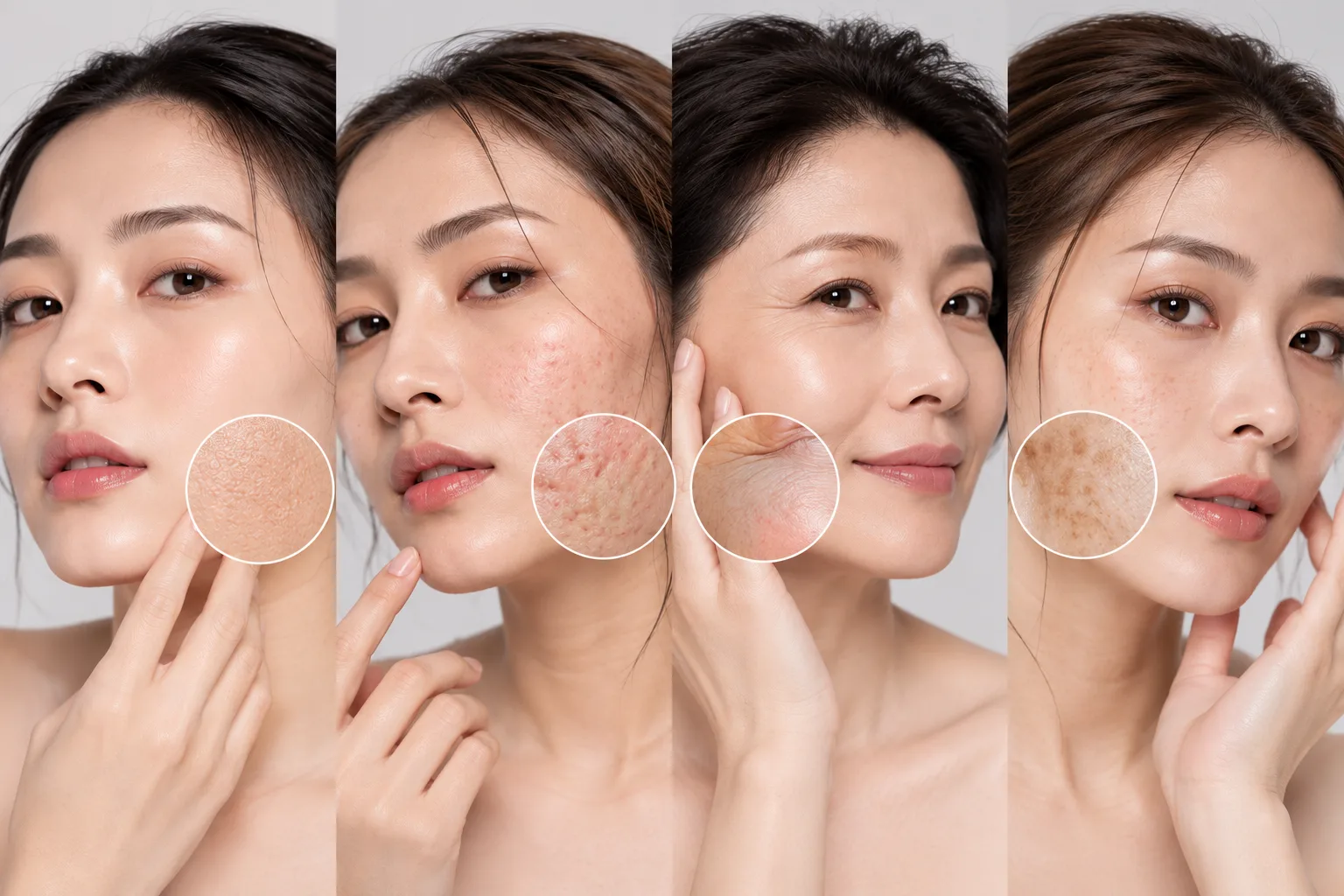
For someone exploring skin boosters, the goal might sound familiar: skin that feels less dry, looks smoother or has a little more bounce.
CellREDM belongs to this broad treatment category, with a particular focus on the material that helps support the skin’s structure. Let’s take a closer look at what that means.
What Is ECM? Think of Your Skin’s Support Network
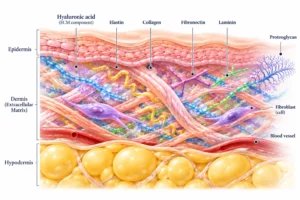
Your skin contains living cells, but those cells do not float around on their own. They sit within a surrounding network called the extracellular matrix.
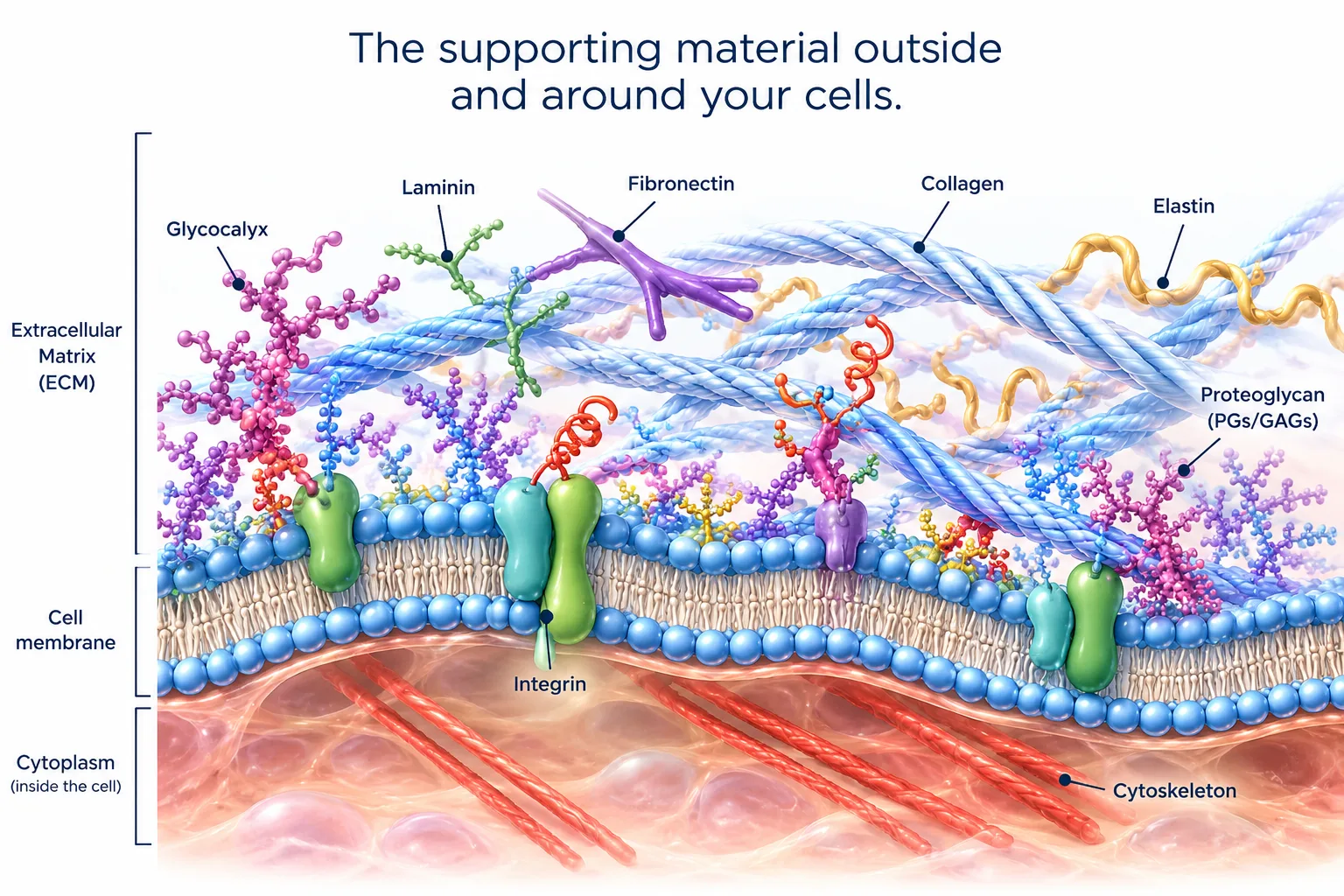
Think of it as the framework around the cells that helps give skin its structure and physical properties.
Three components are especially relevant:
- Collagen helps provide strength and support.
- Elastin helps skin stretch and spring back.
- Glycosaminoglycans, usually shortened to GAGs, help attract and hold water within tissue.
These materials work together. They contribute to why skin can feel firm, flexible and comfortably hydrated.
This is the thinking behind ECM-based treatments: paying attention to the supporting material around skin cells, alongside the cells themselves.
What Exactly Is CellREDM Made From?
CellREDM uses human acellular dermal matrix, often shortened to hADM.
In everyday language, this means donated human dermal tissue—the deeper supporting layer of skin—that has been processed to remove cellular components while retaining structural material.
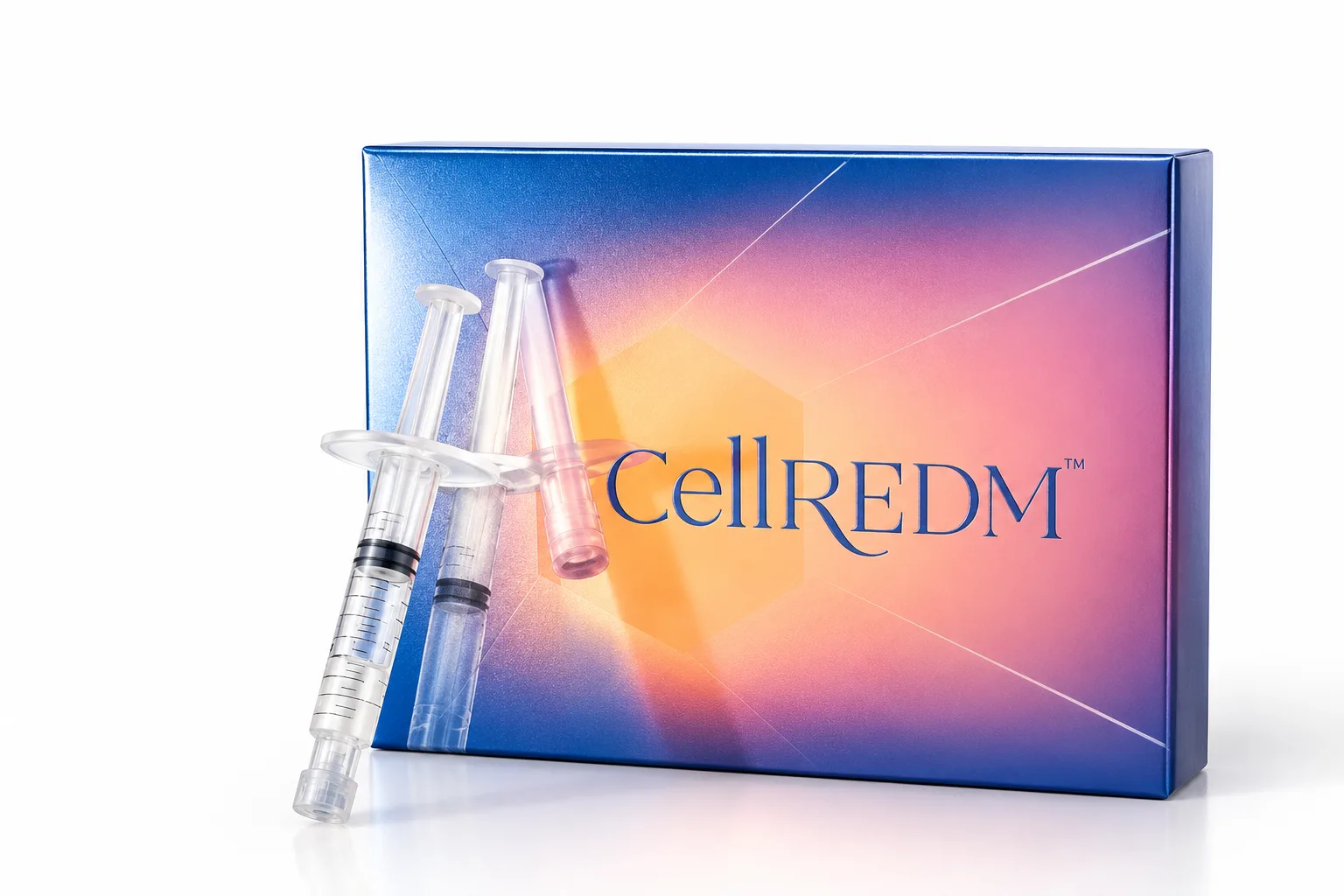
The human donor origin is an important part of understanding the treatment. It should be explained clearly during consultation so that you can make an informed choice.
According to HansBiomed, CellREDM contains ECM components including collagen, elastin and GAGs, processed into fine particles. It is not a live stem-cell treatment. The treatment concept centres on placing this processed matrix material into the skin.
Hydration, Texture, Elasticity and Density: What Is the Difference?
These words often appear together on treatment pages, but they describe different things.
Hydration is about moisture.
Well-hydrated skin may feel more comfortable and look less dry. However, adding moisture does not necessarily address every concern about firmness or uneven texture.
Texture is about the surface.
This includes how smooth or rough the skin looks and feels. Skin can be adequately moisturised and still have uneven texture.
Elasticity is about bounce.
It describes the skin’s ability to return towards its original shape after being stretched.
Density relates to the skin’s underlying structure.
In clinical evaluations, this can be assessed with instruments. It is not something you can reliably judge from a glowing selfie alone.
Understanding these differences makes treatment claims easier to interpret. A product that improves one measurement may not improve all four equally.
How Is CellREDM Different From HA and PN Boosters?
The main difference starts with the material being used.
Hyaluronic acid, or HA, is known for binding water. HA-based injectable products can support hydration and, depending on the formulation, improve smoothness or provide volume. Their effects vary by product.
Polynucleotide, or PN, treatments use a different material. They are studied and offered for skin-rejuvenation purposes, with results depending on the specific formulation and treatment protocol.
CellREDM uses processed human-derived matrix material. Its distinguishing feature is the delivery of structural ECM components.
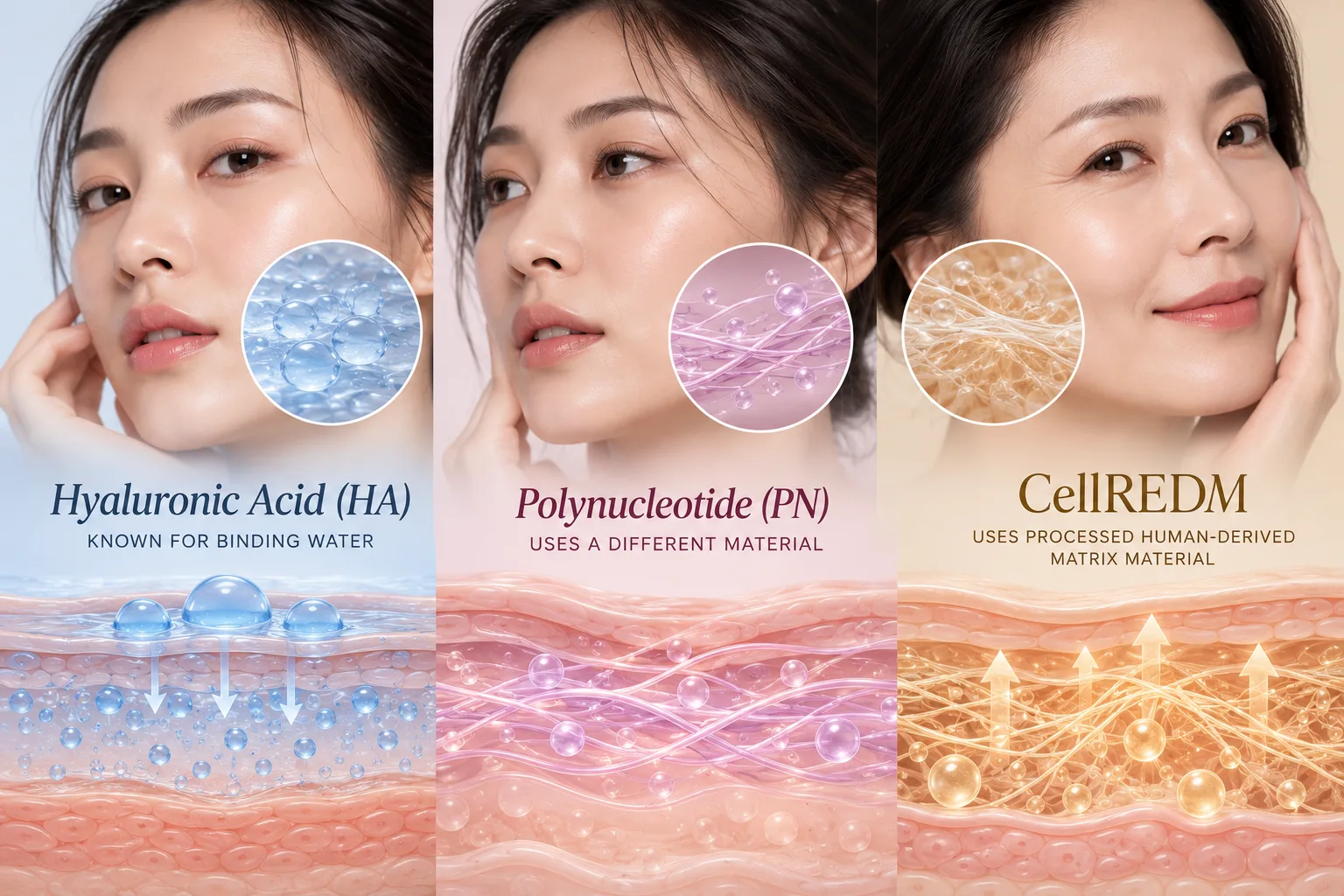
These are different approaches, rather than a simple ladder from “basic” to “best”. A newer ingredient or treatment category does not automatically make it the right choice for everyone.
What Should You Ask Before Considering Treatment?
A professional and detailed consultation should cover more than the treatment’s name.
Injectable treatments can involve discomfort, swelling, bruising and other reactions. Suitability and risks should be discussed with a qualified medical doctor.
CellREDM introduces an interesting approach to skin quality by focusing on the skin’s supporting matrix. For beauty-conscious readers, the most useful next step is understanding both the treatment’s potential and the questions that research still needs to answer.