
If you are considering professional help for dark circles, the fear of looking artificial or overfilled is completely valid. The best treatment for dark circles under eyes is rarely the most aggressive option. Instead, it relies on a conservative approach tailored to your specific cause, whether that is structural hollowness, surface pigmentation or vascular pooling.
Unfortunately, many people end up with a puffy or bruised under-eye area because a standard approach is prioritised over subtle, natural enhancement. To learn more about selecting the right path for your specific skin anatomy, you can browse through the clinical treatment options available today.
Why Subtlety is Essential for Under-Eye Treatments
Modern aesthetic care increasingly values restraint over dramatic changes. The ultimate goal for most individuals is to look well-rested, refreshed and healthy, rather than obviously treated.
When under-eye dermal fillers are placed too superficially or in excessive volumes, they can easily cause a puffy appearance or lead to the Tyndall effect, which is a bluish hue caused by light scattering through the product. A natural look depends on conservative dosing and placing the product deeply beneath the delicate muscle layers.
Taking a gradual approach softens the tear through shadow while preserving your natural facial expressions. This reality highlights why a sustainable treatment philosophy focuses on conservative, gradual adjustments that preserve your natural facial expressions over time.
Identifying Your Dark Circle Type
An accurate assessment is crucial because different types of dark circles require completely different solutions.

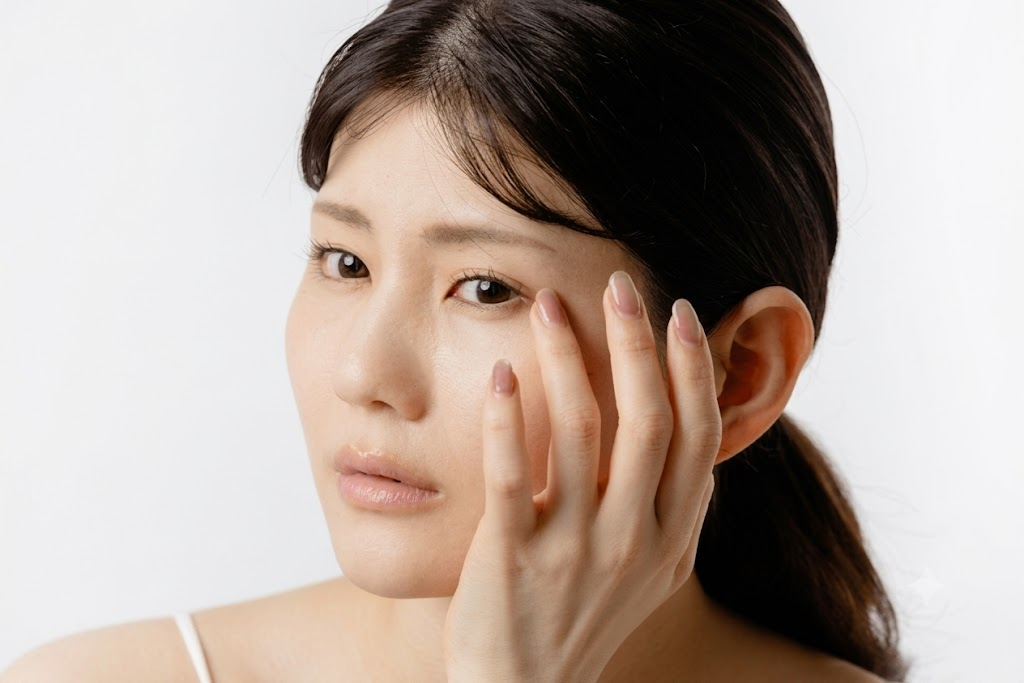
Structural (Tear Trough) Circles
These are actually shadows cast by volume loss in the mid-face or along the orbital rim. They typically respond well to targeted volume restoration.
Vascular Circles
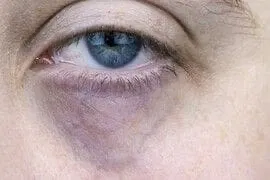
Appearing blue or purple, these circles are caused by visible blood vessels beneath thin, fragile skin. They frequently worsen with fatigue, screen strain and seasonal allergies.
Pigmented Circles
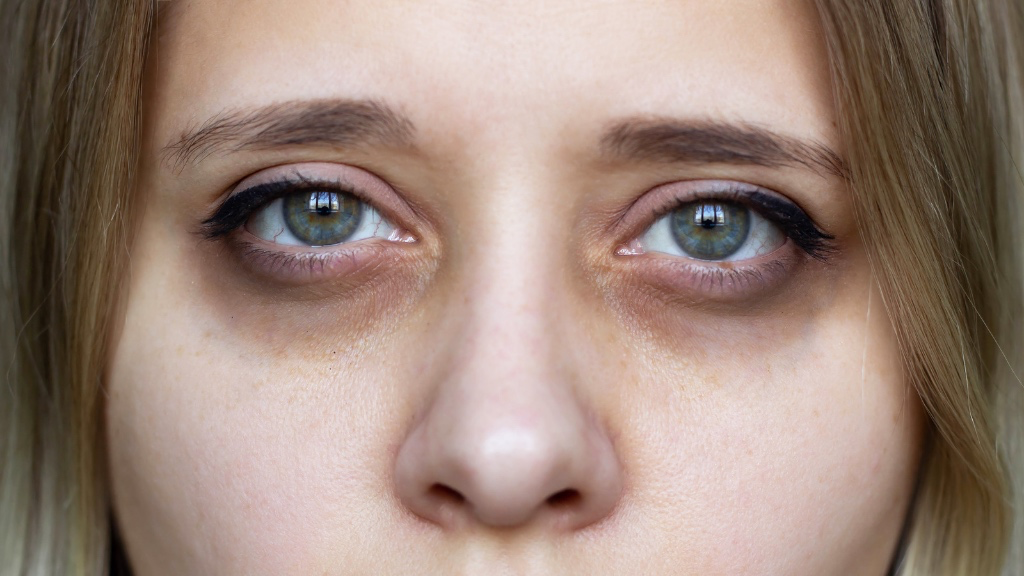
These present as brown or dark patches and are caused by melanin clusters. These clusters can stem from genetics, sun exposure or post-inflammatory hyperpigmentation.
Non-Surgical Options and What They Do
Matching the intervention to your specific dark circle type is the foundation of a successful, balanced outcome. Layering gentle modalities is often far more effective than overdoing any single treatment.
Advanced Skin Boosters
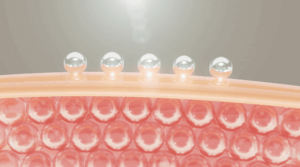
For thin, crepey skin under the eyes, advanced injectable boosters are highly effective for improving skin density without adding artificial volume. Utilising specialised polypeptide formulas combines deeply hydrating hyaluronic acid with targeted peptides. This approach gradually helps reduce under-eye darkness, smooths fine texture and reinforces the skin barrier over several weeks.

Dermal Fillers for Tear Trough Shadows
When dark circles are primarily caused by structural hollows, hyaluronic acid fillers can be gently placed in the deep tissue planes. This blends the transition between the cheek and the lower eyelid, eliminating the shadow cast by the orbital rim. A staged approach ensures the area remains smooth and completely natural.
Targeted Laser and Pigment Care
When dark circles are driven by surface pigmentation, specialised lasers can be used to break up melanin deposits safely. Using lower energy settings over multiple sessions delivers gradual, even brightening while minimising the risk of rebound darkening. This method is particularly important for managing delicate skin types. You can explore further options for balancing tone and texture by viewing our dedicated pigment and skin care options.
Comparing the Clinical Paths
Your ideal treatment plan depends heavily on your underlying anatomy and how much downtime you can accommodate.
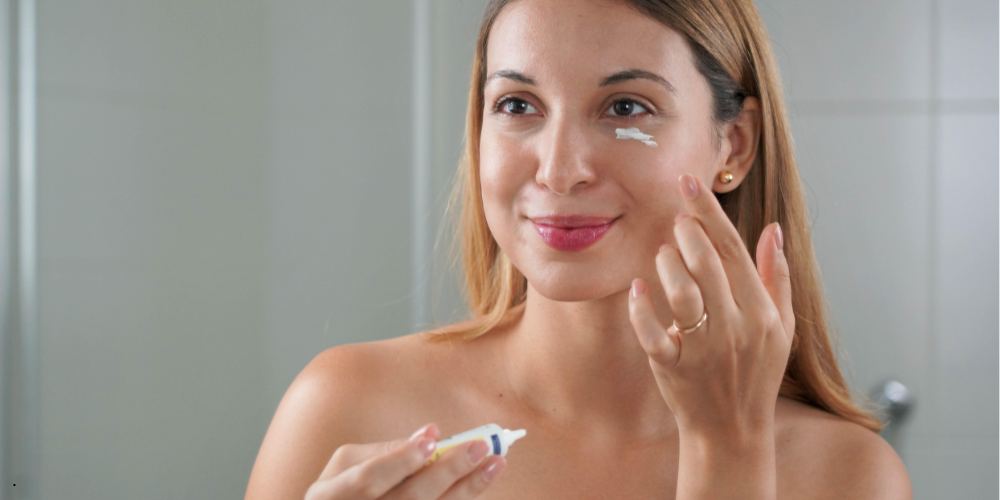
Topical Maintenance: Eye creams containing caffeine are excellent for narrowing dilated blood vessels to temporarily reduce vascular pooling and minor puffiness. Actives like vitamin C and niacinamide help brighten mild surface pigment over time but cannot fix structural hollows.
Injectable Therapies: Hyaluronic acid fillers and targeted under-eye boosters address hollow shadows and thin skin texture directly. These sessions are relatively quick, involve minimal downtime of just a few days and provide a smoother appearance.
Energy-Based Devices: Laser sessions focus purely on breaking down stubborn pigment clusters. They require virtually no downtime, though multiple sessions spaced a few weeks apart are typically recommended to clear surface darkening gradually and safely.
Maintaining and Protecting Your Results at Home
Long-term success depends on supporting your clinical treatments with proper daily skin protection and healthy habits.
Targeted Topical Antioxidants
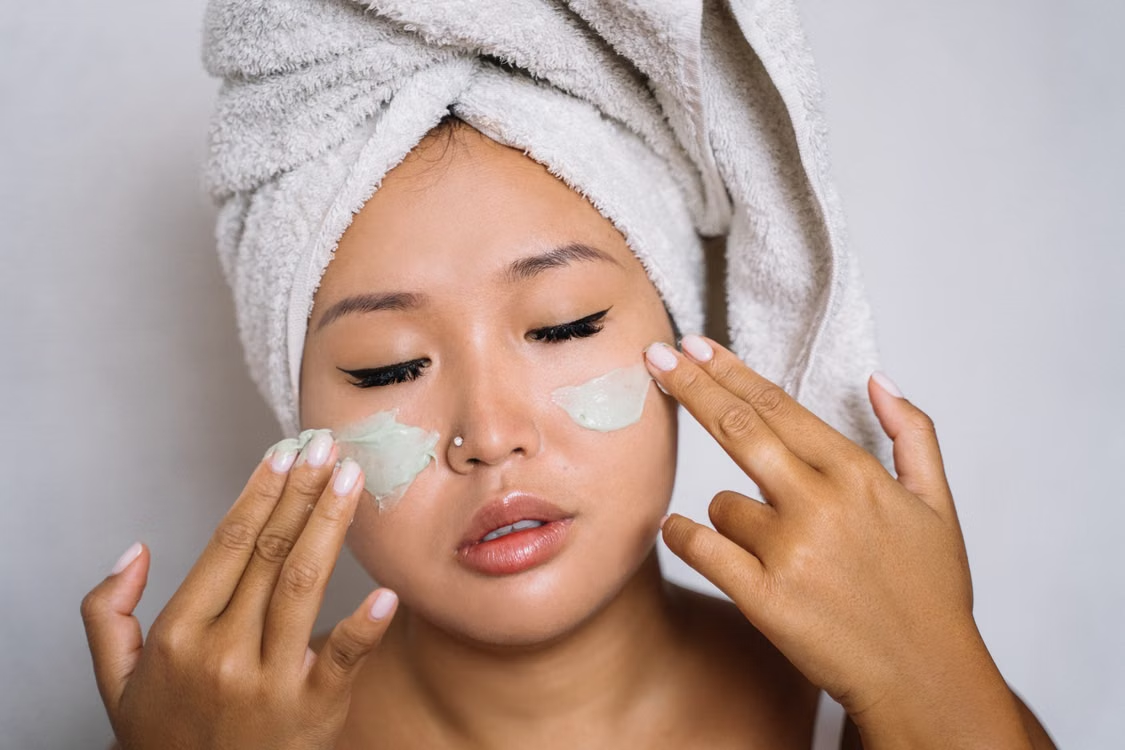
Incorporating active ingredients like Vitamin C or niacinamide into your morning skincare routine helps neutralise environmental free radicals. These antioxidants support the delicate under-eye skin structure and aid in gradual pigment brightening.
Vascular and Fluid Management
Consistently getting enough sleep reduces fluid accumulation and vascular pooling. If you are prone to morning puffiness, keeping your head slightly elevated with an extra pillow can encourage natural lymphatic drainage.
Hydration and Barrier Support
The skin around the eyes is naturally thinner and dries out easily, making dark shadows more prominent. Using a dedicated moisturiser helps plump the surface layers and strengthens the dermal barrier against daily friction and strain.
Navigating Your Treatment Options
Achieving a bright, natural under-eye area requires identifying whether your dark circles are caused by shadows, pigment or visible blood vessels. A customised plan that respects your individual facial anatomy prevents an overdone look while making you look genuinely refreshed.
To map out a balanced path forward for your skin, you can schedule an in-person clinical consultation to receive a comprehensive skin assessment.