Stretch mark laser treatment works by using targeted light energy to stimulate collagen production, which can soften the appearance of stretch marks over a series of sessions.
It will not erase them completely, but for many people, that visible improvement is enough to feel more comfortable in their own skin.
This article looks at what laser treatment can genuinely offer, how it works on different skin types, and what a realistic treatment journey looks like.
Key Takeaways
- Stretch mark laser treatment can visibly soften and blend stretch marks with surrounding skin, but does not remove them completely.
- Non-ablative fractional lasers are generally safer for darker or Asian skin tones due to lower risk of pigment changes.
- Visible improvement typically requires multiple sessions, with results building gradually as collagen remodels.
- Reddish stretch marks tend to respond better to treatment than older, white stretch marks.
Why Stretch Marks Feel So Hard to Hide
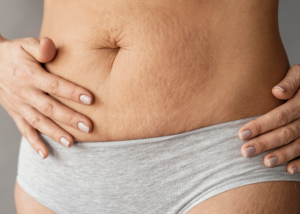
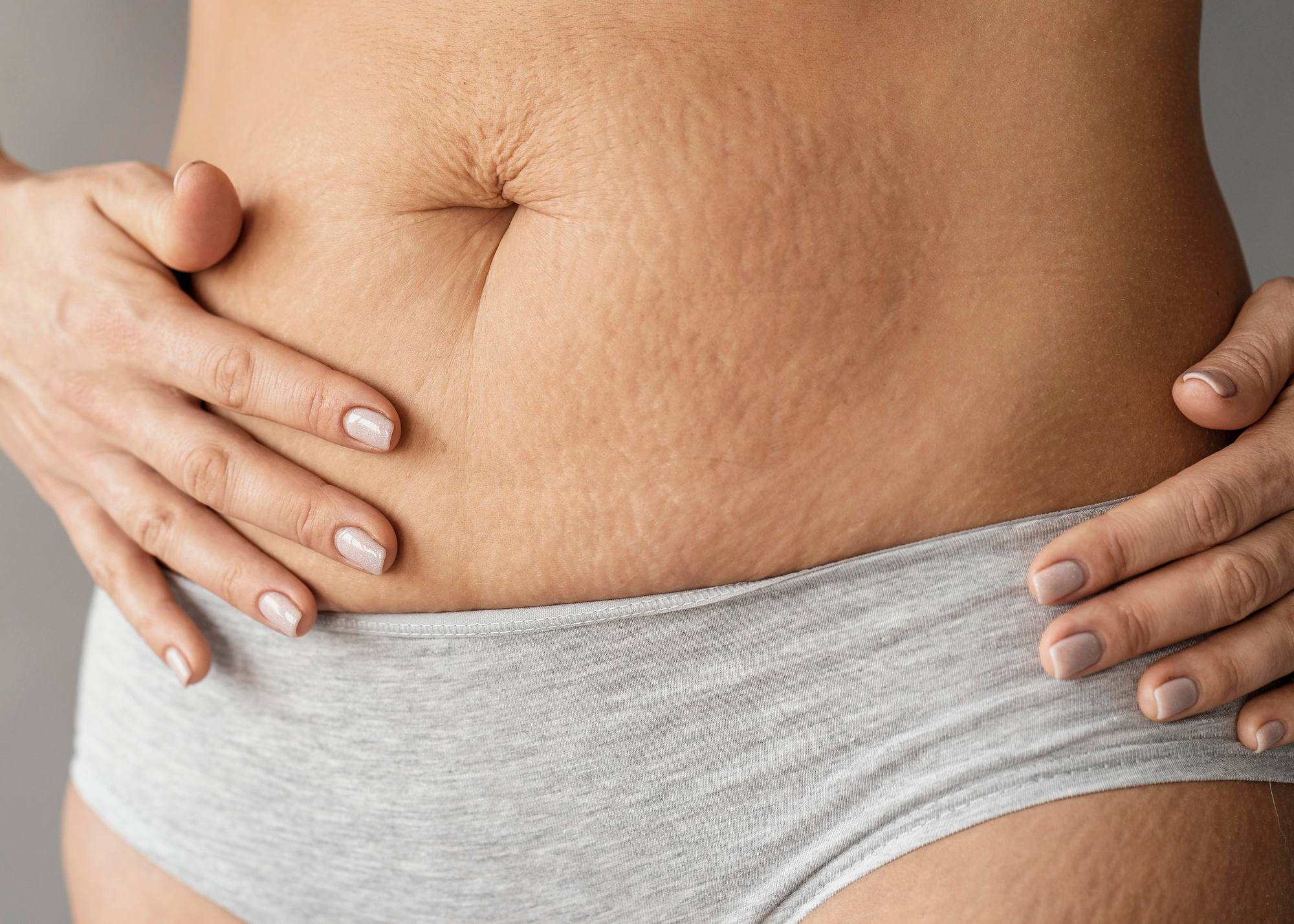
Stretch marks form when skin stretches faster than it can adapt, often during growth spurts, pregnancy, weight changes or muscle gain.
The deeper skin layer tears slightly, and as it heals, it can leave a line that looks different in texture and colour from the skin around it.
Newer stretch marks tend to appear pink, red or purple, sometimes called striae rubra.
Over time, they usually fade to a lighter, silvery-white shade known as striae alba, which tends to be more resistant to treatment.
Unlike a temporary breakout or dry patch, they do not disappear on their own, and many creams only offer modest results at best.
How Laser Treatment Softens Stretch Marks
Laser treatment does not “erase” stretch marks in the way many people hope.
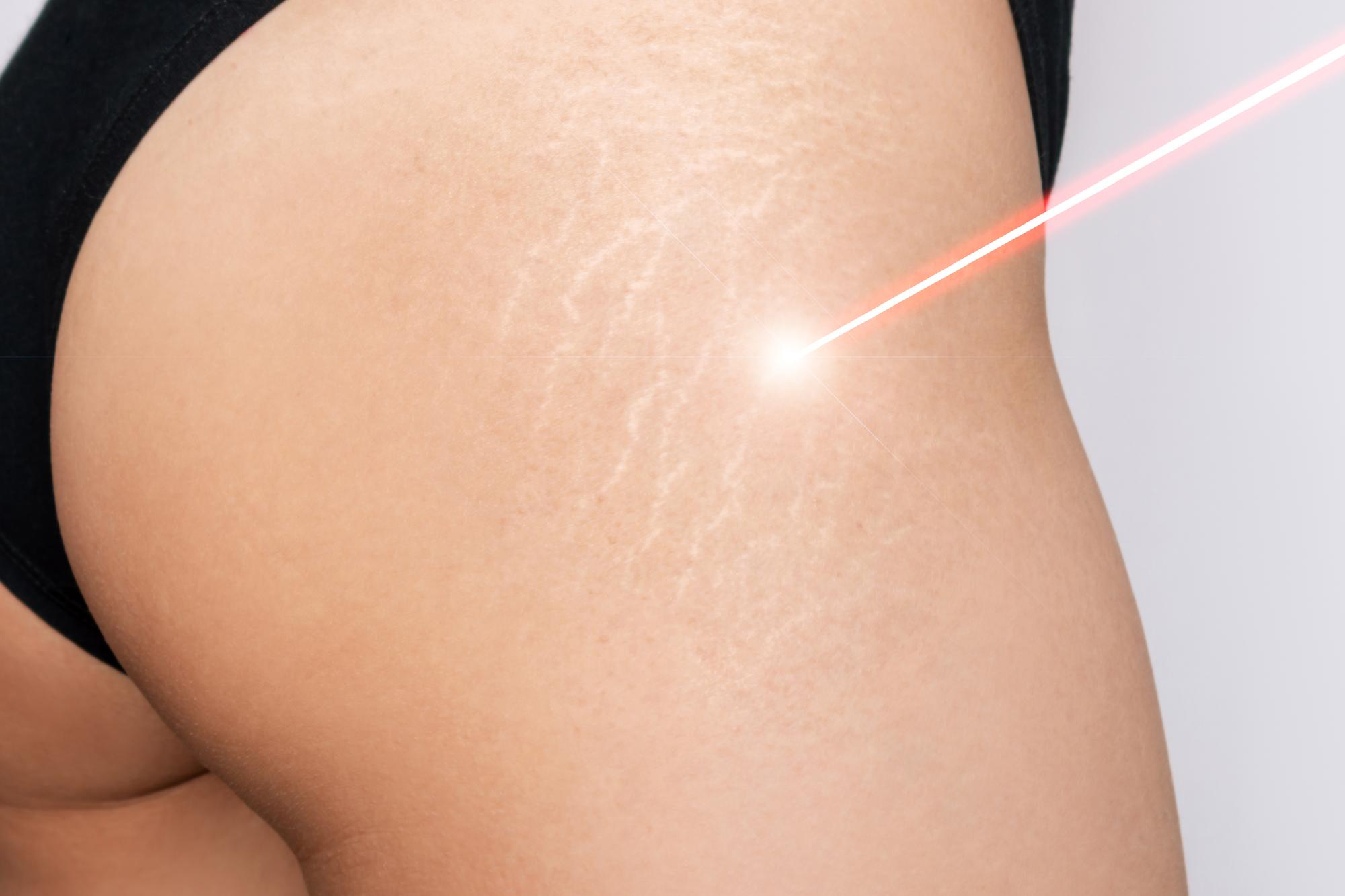
Instead, it works by delivering controlled energy into the skin, which triggers a natural healing response and encourages the body to produce new collagen and elastin.
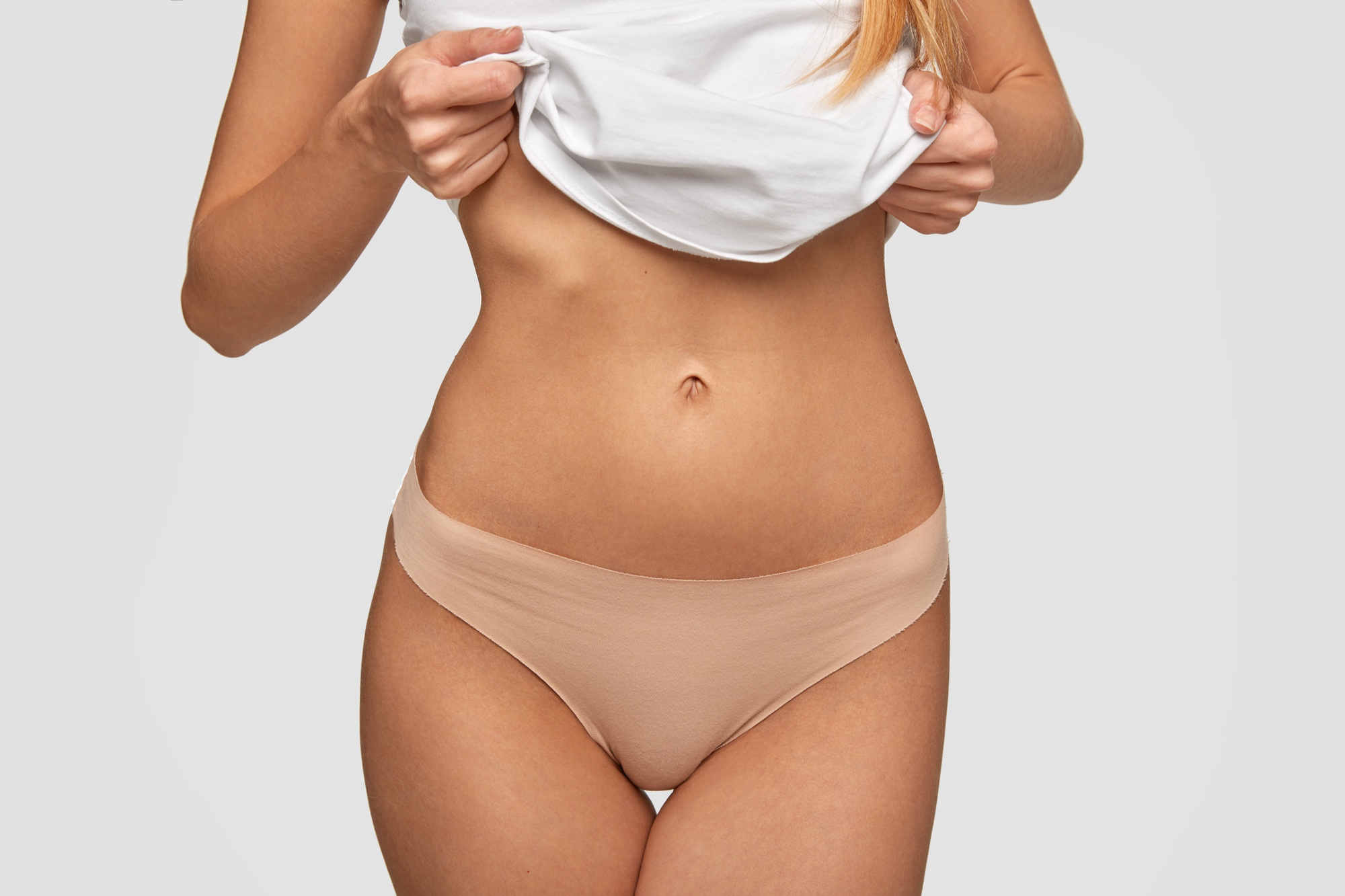
Over several sessions, this can help stretch marks appear smoother, flatter and closer in tone to the surrounding skin.
Clinical reviews on fractional laser treatments for stretch marks generally report moderate improvement rather than complete removal, with visible changes in texture and colour blending being the most consistent outcome.
Different Lasers Work Differently
One detail that often gets left out of the conversation is that different lasers behave very differently depending on your skin type.
This matters more for Asian and darker skin tones, which carry a higher risk of pigment changes from overly aggressive treatments.
Laser Type | How It Works | Considerations for Darker Skin |
|---|---|---|
Ablative fractional (e.g. CO2, Er:YAG) | Removes thin layers of skin to trigger stronger resurfacing and collagen renewal | Higher chance of temporary pigment changes, more downtime |
Non-ablative fractional (e.g. 1550nm erbium) | Heats deeper skin layers without breaking the surface, encouraging gradual collagen remodelling | Generally considered a lower-risk first-line option for darker skin |
Delivers ultra-short pulses that may help with texture and tone over time | Can be suitable depending on individual assessment |
This is why a proper skin assessment matters before any treatment plan is decided.
What works well on one skin tone or stretch mark stage may not suit another.
How Many Sessions Before You See Results?
Improvement with laser treatment builds gradually rather than appearing after a single visit.
Most protocols involve a series of sessions spaced several weeks apart, allowing the skin time to heal and regenerate collagen between treatments.
- Early sessions: Mild redness or texture change may become noticeable first, especially on newer, reddish stretch marks.
- Mid-course: Colour blending and smoother texture typically become more visible as collagen remodelling continues.
- Full course: A course of multiple sessions is often needed before the overall improvement becomes clear.
Reported improvement in stretch mark visibility varies quite widely between individuals, and no clinic can guarantee a specific outcome.
What matters more is setting expectations early, so you are working towards visible softening and blending rather than a complete disappearance.
What Happens During Treatment
- Most people describe the sensation as a warm, snapping feeling on the skin, which is generally tolerable, though sensitivity can vary from person to person.
- Depending on the laser type and settings used, you may notice some redness, mild swelling or a warm sensation for a short period afterwards.
- Ablative treatments tend to involve more downtime and a longer recovery window than non-ablative options.
- Rare side effects can include temporary hyperpigmentation, hypopigmentation or, in uncommon cases, scarring, which is why treatment should be carried out by a trained practitioner who selects the right laser and settings for your skin type.
- Sun protection and gentle skincare afterwards are usually recommended to support healing and reduce the risk of pigment changes.
Is This Treatment Right for You?
Laser treatment tends to suit people who have tried creams without success and want a more active approach, particularly when stretch marks are still new, reddish and affecting confidence, since these usually respond better than older, white marks.
It is not right for everyone. Those with certain skin conditions, active infections in the treatment area or specific health concerns may need to wait, and a proper consultation helps determine the best approach for your skin and goals.
Stretch marks are common, and feeling self-conscious about them is understandable.
At Hebe Clinic, your skin can be assessed to understand your stretch mark type, skin tone and treatment goals, so any recommendation reflects what is realistic for your situation rather than a one-size-fits-all promise.