Skin Barrier Repair: The New Foundation for Healthy, Calm and Glowing Skin
If your skin feels tight, looks red or reacts to almost everything you apply, the problem may not be the products themselves.
Your skin barrier might be compromised. This protective outer layer is responsible for keeping moisture in and irritants out, and when it weakens, your complexion can become sensitive, dull and uncomfortable.
Understanding skin barrier repair is now recognised as one of the most important steps toward achieving genuinely healthy skin, not just temporary brightness or smoothness.
Key Takeaways
- A healthy skin barrier locks in hydration and protects against environmental stress, irritants and sensitivity.
- Damage often comes from over-exfoliation, harsh products, environmental factors or underlying skin conditions.
- Repairing the barrier requires gentle care, hydration and barrier-supporting ingredients rather than aggressive treatments.
- Professional support can help restore resilience when home care alone is not enough.
What Your Skin Barrier Actually Does
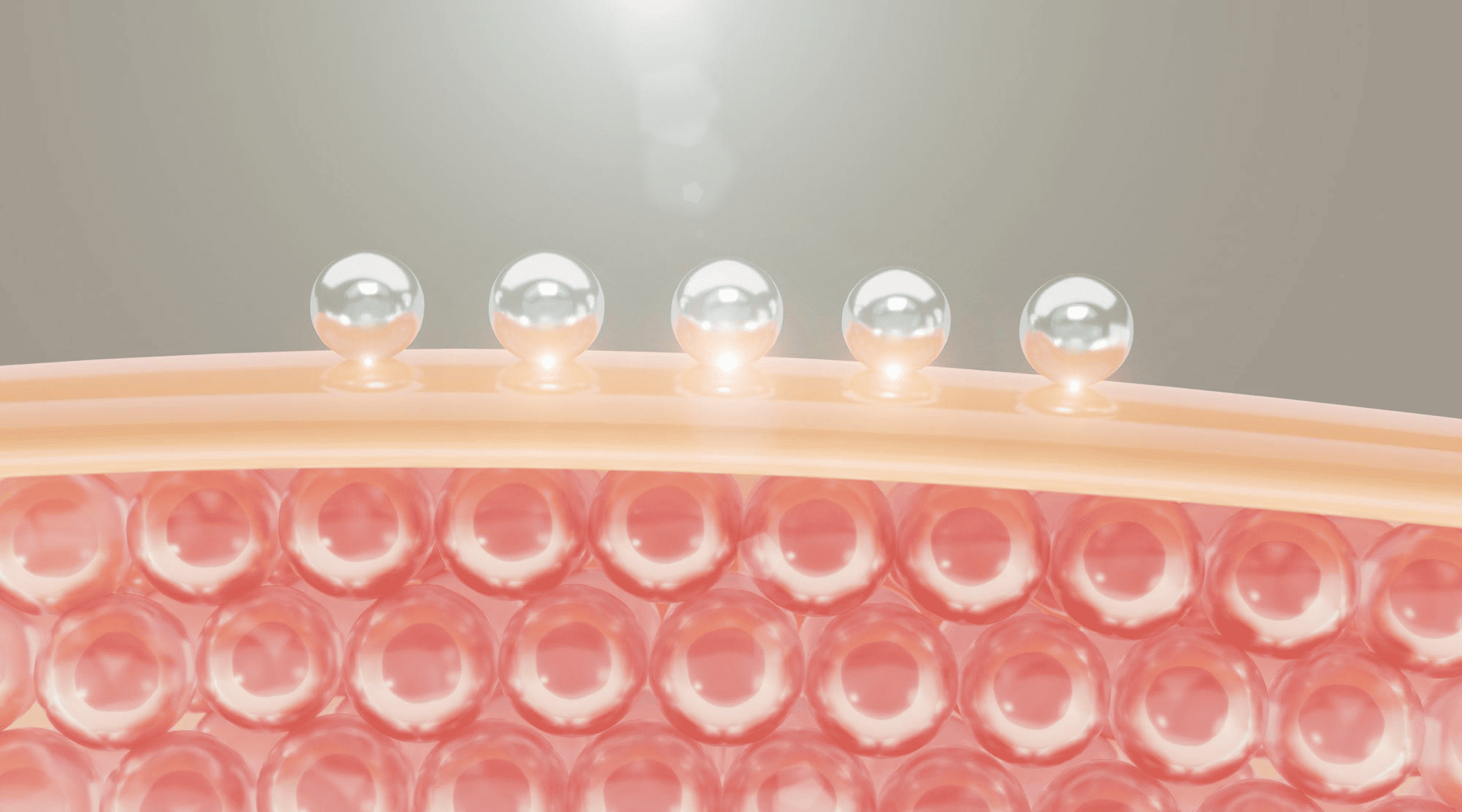
Your skin barrier, also known as the stratum corneum, is the outermost layer of your epidermis. It consists of skin cells held together by lipids, forming a protective shield.
When this barrier functions properly, it prevents water loss, keeps harmful bacteria and pollutants out, and maintains a balanced, comfortable complexion. A strong barrier supports hydration, resilience and an even skin tone.
When the barrier is damaged, these protective functions weaken. The skin loses moisture more easily, becomes more reactive to products and environmental triggers, and may look dull, rough or inflamed.
The Warning Signs Your Barrier Needs Help
Recognising barrier damage early makes repair easier and faster.
- Persistent dryness that does not improve with moisturiser
- Stinging or burning when applying even gentle products
- Visible redness or irritation that lingers
- Rough or flaky patches
- Increased sensitivity to temperature changes or wind
- Breakouts that seem to worsen despite treatment
- Skin feels tight shortly after cleansing, or makeup no longer sits smoothly
Many people mistake these symptoms for dehydration alone and layer on more active ingredients, which can make the situation worse.
Why Skin Barrier Repair Matters More Than Brightening
Your skin barrier, also known as the stratum corneum, is the outermost layer of your epidermis. It consists of skin cells held together by lipids, forming a protective shield.
Repairing the barrier first allows your skin to tolerate and respond to other treatments more effectively. It also reduces chronic inflammation, which is linked to premature ageing, uneven tone and persistent sensitivity.
In short, barrier repair is not a trend. It is the baseline for long-term skin health and resilience.
What Actually Damages the Skin Barrier
Barrier damage rarely happens overnight. It builds up gradually through repeated exposure to certain habits or environmental factors.
Over-Exfoliation and Strong Actives
Using multiple exfoliating acids, retinoids or vitamin C products at the same time can strip away the protective lipid layer. This is especially common when people try to accelerate results without giving the skin time to adapt.
Harsh Cleansers
Foaming cleansers with high pH levels or sulphates can disrupt the skin’s natural acid mantle, leaving it vulnerable and tight. Cleansing too often or scrubbing too hard also contributes to barrier breakdown.
Environmental Stress
Prolonged sun exposure, pollution, air conditioning and low humidity all weaken the barrier over time. Malaysia’s tropical climate can be deceptive, as indoor environments are often very dry.
Underlying Skin Conditions
Eczema, rosacea, psoriasis and other inflammatory conditions compromise barrier function. In these cases, managing the condition is part of the repair process.

How to Start Repairing Your Skin Barrier at Home
- The first step in skin barrier repair is to simplify your routine and remove anything that may be causing further irritation.
- Switch to a gentle, low-pH cleanser that does not foam excessively or leave your skin feeling stripped. Cleanse once in the evening and rinse with water only in the morning if your skin feels sensitive.
- Focus on hydration and moisture retention. Look for products containing ceramides, fatty acids and cholesterol, which mimic the skin’s natural lipid structure.
- Pause all exfoliating acids, retinoids and strong actives until your skin feels comfortable again. This break may last several weeks, depending on the severity of the damage.
- Apply sunscreen daily to protect the fragile barrier from UV damage, which can slow down the healing process. Choose a formula that does not sting or irritate compromised skin.
Ingredients That Support Skin Barrier Repair
Ingredient | How It Helps |
|---|---|
Ceramides | Restore the lipid matrix and strengthen the barrier structure |
Niacinamide | Reduces inflammation, supports lipid production and calms sensitivity |
Centella Asiatica | Soothes irritation and promotes skin healing |
Hyaluronic Acid | Attracts moisture to hydrate the skin without heaviness |
Squalane | Mimics natural skin oils and locks in hydration |
When Home Care Is Not Enough
If your barrier does not improve after several weeks of gentle care, or if sensitivity and redness persist despite a simplified routine, professional assessment may be needed.
Chronic barrier damage can be linked to underlying conditions that require targeted treatment. In some cases, the skin may benefit from professional hydration therapies or regenerative treatments that support deeper repair.
Treatments such as skin boosters or regeneration therapies can help restore moisture, strengthen resilience and calm persistent inflammation when topical care alone is insufficient.
What to Avoid During Barrier Repair
Certain habits and products can set back your progress, even if they seem harmless.
- Avoid hot water when cleansing, as it strips natural oils and worsens dryness. Use lukewarm water instead and pat your skin dry gently rather than rubbing with a towel.
- Do not layer too many products at once, even if they are gentle. A compromised barrier needs time to absorb and respond to each ingredient. Stick to a minimal routine until your skin stabilises.
- Skip physical scrubs, cleansing brushes and tools that create friction. Even gentle exfoliation should be paused until the barrier has fully healed.
- Resist the urge to try new products during this period. Introducing unfamiliar ingredients can trigger further irritation and delay recovery.
Building Long-Term Barrier Resilience
Once your barrier has recovered, the goal shifts to maintaining its strength and preventing future damage.
- Reintroduce active ingredients slowly, one at a time, and monitor how your skin responds. Start with lower concentrations and use them only a few times per week before increasing frequency.
- Continue using barrier-supporting products as part of your daily routine, even when your skin feels healthy. Ceramides, niacinamide and hydration should remain staples rather than emergency measures.
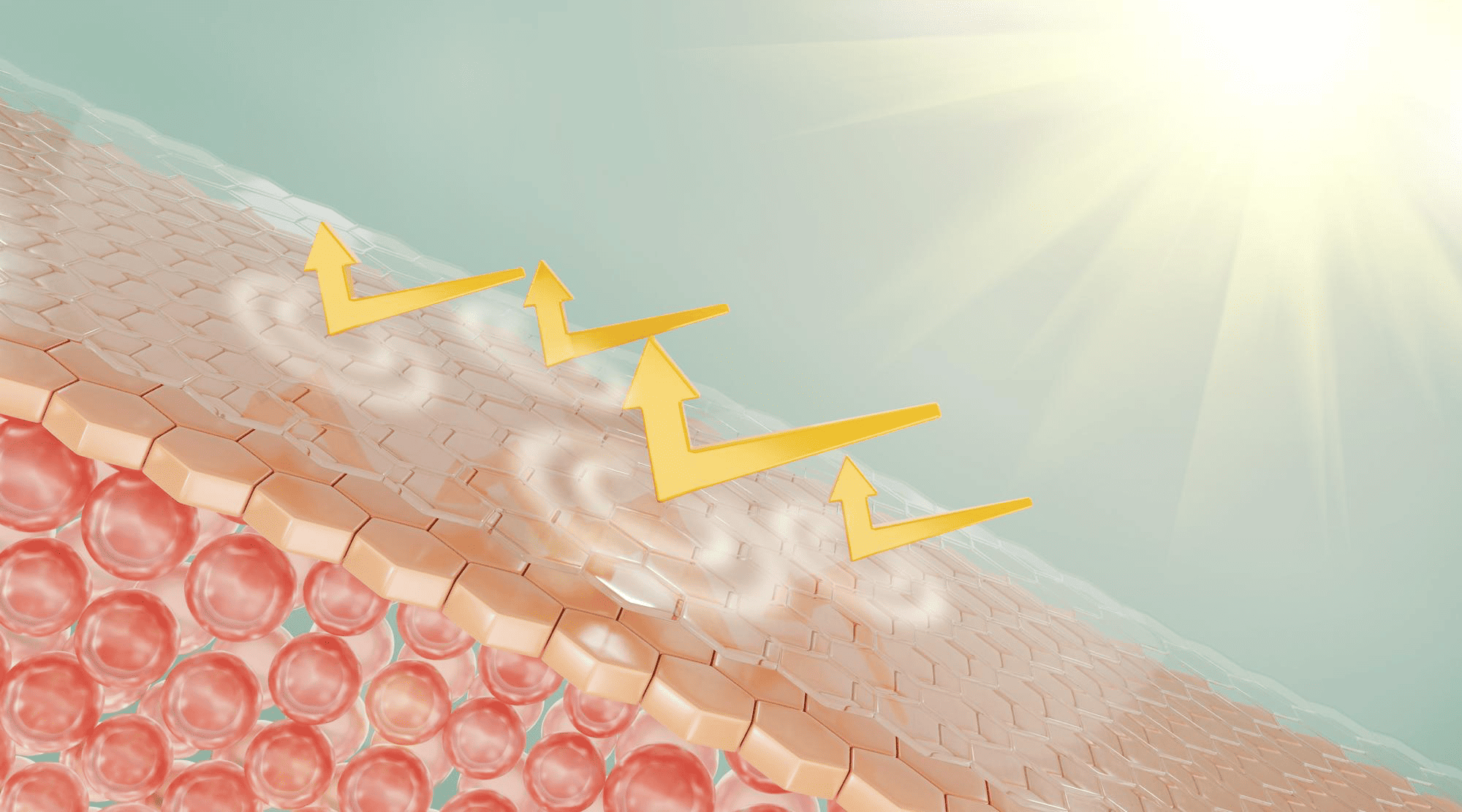
- Protect your skin from environmental stress with daily sunscreen and consider adding antioxidants like vitamin E or green tea extract to neutralise free radical damage.
- Listen to your skin. If tightness, redness or sensitivity returns, scale back immediately rather than pushing through discomfort.
Why Skin Barrier Repair Is the Real Glow Strategy
Healthy, glowing skin is not about piling on brightening serums or aggressive treatments. It starts with a strong, resilient barrier that can hold moisture, tolerate active ingredients and recover from daily stress.
When your barrier is intact, your complexion looks plumper, smoother and more even. Sensitivity decreases, hydration improves and your skin can respond better to any additional treatments you introduce.
For personalised guidance on restoring and strengthening your skin barrier, you can speak to the team at Hebe Clinic to explore professional support tailored to your skin’s needs.