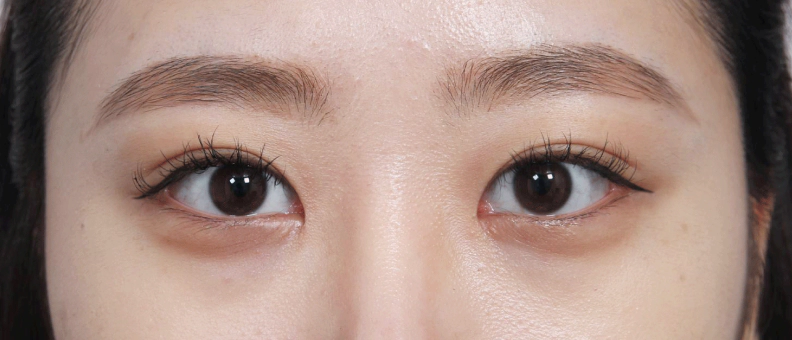
Eye bags and dark circles are common concerns that can make the face look tired, dull or older than it feels. They can affect people at any age and are often linked to genetics, pigmentation, fluid retention, lifestyle habits and natural changes in the skin around the eyes. In many cases, they are not a sign of a serious health problem, but they can become more noticeable with stress, poor sleep and ageing.
This guide explains how to reduce eye bags and dark circles in a simple, practical way. It covers the main causes, easy home care tips, helpful skincare ingredients and when professional skin rejuvenation treatments may be worth considering. It also looks at why these concerns are so common in Malaysia, where climate and daily habits can make the under-eye area look even more tired.
Why Eye Bags and Dark Circles Appear in the First Place
The skin around the eyes is thinner than the rest of the face, which makes it more sensitive to changes in the body and environment. This is why tiredness, stress or lack of sleep often show up here first.
Many people notice under-eye puffiness or darkness even when they feel healthy. While this is common, it can affect how refreshed or rested someone appears.
Understanding the cause is the first step in learning how to reduce eye bags and dark circles effectively.
Common Contributing Factors of Eye Bags and Dark Circles
There is no single cause. Most cases are a combination of factors.
Fluid retention is one of the most common reasons for puffiness. This often appears in the morning and may improve throughout the day. Sleep position, high salt intake and dehydration can all contribute.
Pigmentation is another cause, where the skin under the eyes appears darker due to increased melanin. This is more common in people with deeper skin tones and can be made worse by sun exposure and frequent rubbing.
Structural changes also play a role. As we age, the skin loses collagen and fat volume. This can create hollow areas under the eyes, leading to shadows that look like dark circles even without pigmentation.
Allergies can also contribute. Conditions like allergic rhinitis may cause swelling, rubbing and congestion around the eyes.
Why Eye Bags and Dark Circles Are Common in Malaysia’s Climate
In Malaysia, several environmental and lifestyle factors can make under-eye concerns more noticeable.
High temperatures and humidity can lead to fluid retention and puffiness. Air conditioning can dry out the skin, making fine lines and shadows more visible. Sun exposure is also strong throughout the year, which can worsen pigmentation over time.
Long working hours, screen use and irregular sleep patterns may also affect how the under-eye area looks.
These factors combined mean that eye bags and dark circles are a frequent concern for many people living in tropical climates.

Home-Based Care and Lifestyle Practices for Under-Eye Concerns
Mild puffiness can often improve with simple daily habits.
Cold compresses may help reduce swelling by calming blood vessels and improving circulation. Sleeping with your head slightly elevated can also help prevent fluid from building up under the eyes.
Reducing salt intake and staying well hydrated may support better fluid balance in the body.
Managing allergies can also make a difference. If congestion or sneezing is a trigger, addressing it early may help reduce under-eye swelling.
While these methods may improve puffiness, they are usually more helpful for mild and temporary concerns.
Skincare Ingredients Commonly Used for Under-Eye Care
Some skincare ingredients can support the appearance of the under-eye area. While they may not remove eye bags or dark circles completely, they can help improve puffiness, hydration and skin tone over time.
Here are some ingredients that are commonly used in eye creams and under-eye products:
1. Caffeine
Caffeine is often used in eye creams because it may temporarily reduce puffiness by tightening blood vessels.
2. Vitamin C
Vitamin C may help support brighter-looking skin and improve uneven tone over time.
3. Niacinamide
Niacinamide is commonly used to help improve skin tone and support a more even appearance.
4. Retinoids
Retinoids may help improve skin texture and support collagen production, although they should be used carefully around the eye area.
5. Hyaluronic acid
Hyaluronic acid helps hydrate the skin, which can reduce the appearance of dryness and fine lines.
It is important to note that results vary and consistent use is usually needed over several weeks.
When Skincare May Be Insufficient for Under-Eye Concerns
While skincare can help improve mild concerns, it may not be enough for deeper structural issues.
If dark circles are caused by volume loss or tear trough hollowing, topical products are limited in what they can achieve. In such cases, professional under-eye filler treatments may be considered depending on individual needs.
These treatments aim to address different causes such as pigmentation, skin quality or volume changes. A consultation with a qualified practitioner is important to determine suitability.

Professional Treatments for Eye Bags and Dark Circles
Depending on the cause, Hebe Clinic may recommend the following treatment options:
Skin boosters and biorevitalisation treatments
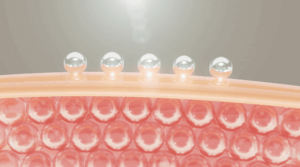
These may help improve hydration and overall skin quality around the under-eye area.Laser treatments for pigmentation
These may be used to target pigmentation concerns in suitable candidates.Chemical peels
These may help improve uneven tone and support a brighter-looking under-eye area.Dermal fillers for tear troughs
These may be considered in cases of volume loss to help restore structure under the eyes.
Results and suitability vary from person to person, and a proper assessment is needed before any treatment is carried out.
Preventive Practices for Under-Eye Skin Maintenance
Good daily habits can help reduce the likelihood of worsening under-eye concerns.
Getting enough sleep is important for skin recovery. Staying hydrated and eating a balanced diet can also support overall skin health.
Sun protection is essential, especially in Malaysia where UV levels are high throughout the year.
Avoiding frequent eye rubbing may also help prevent pigmentation from becoming more noticeable over time.
Key Takeaways
Eye bags and dark circles are usually caused by a combination of fluid retention, pigmentation, structural changes and lifestyle factors. For most people, simple changes such as improving sleep, managing allergies and using suitable skincare can help improve the appearance of the under-eye area.
However, more persistent concerns may require professional assessment to identify the underlying cause and suitable treatment options.
If you are unsure about what is causing your eye bags or dark circles, a personalised consultation at Hebe Clinic can help guide the most appropriate approach for your skin.