

If you have tried every eye cream on the shelf and your dark circles still refuse to budge, you are not alone.
The truth is that many people invest months in topical products hoping for dramatic improvement, only to realise that their particular type of dark circle needs more than surface-level care. Dark circles can stem from structural volume loss, visible blood vessels, stubborn pigmentation or a combination of all three.
This article explains why creams sometimes fall short, how to identify what is actually causing your dark circles, and which professional treatments may offer the most realistic improvement for your specific concern.
Key Takeaways
- Eye creams can help with mild surface concerns but cannot fix structural hollows, deep pigmentation or visible blood vessels beneath the skin.
- Dark circles fall into three main types: structural (shadows from volume loss), vascular (visible blue or purple vessels) and pigmented (brown melanin deposits).
- The best eye treatment for dark circles depends on identifying the underlying cause, not simply choosing the most popular or expensive option.
- Professional treatments such as targeted skin boosters, hyaluronic acid fillers and pigment-focused lasers can address the root causes that topical products cannot reach.
Why Eye Creams Stop Working After a Certain Point
Eye creams are designed to improve the skin surface. They can temporarily plump dehydrated skin, deliver antioxidants, reduce minor puffiness and brighten very mild pigmentation over time.
However, they cannot change what is happening beneath the skin, since dark circles under eyes often stem from structural or vascular causes rather than surface dehydration alone.
This is not a failure of the product. It is simply a mismatch between the concern and the tool being used to address it.
The Three Types of Dark Circles You Need to Know
Understanding which category your dark circles fall into is the single most important step in choosing the right treatment path, as pathogenesis varies by cause.
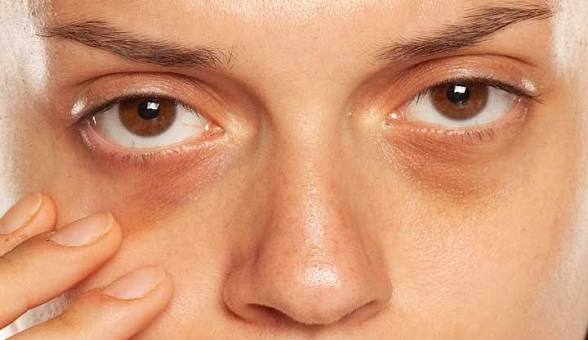
Structural Dark Circles
These appear as shadows cast by volume loss in the tear trough or mid-face. As facial fat pads shift and bone structure changes with age, a hollow forms beneath the lower eyelid.
The skin itself may not be darkened at all. The shadow creates the appearance of darkness, especially under certain lighting conditions.

Vascular Dark Circles
These present as blue, purple or reddish discolouration caused by visible blood vessels beneath thin under-eye skin. They often worsen with fatigue, screen strain, allergies or sinus congestion.
Rubbing the eyes frequently can make vascular pooling more pronounced over time.
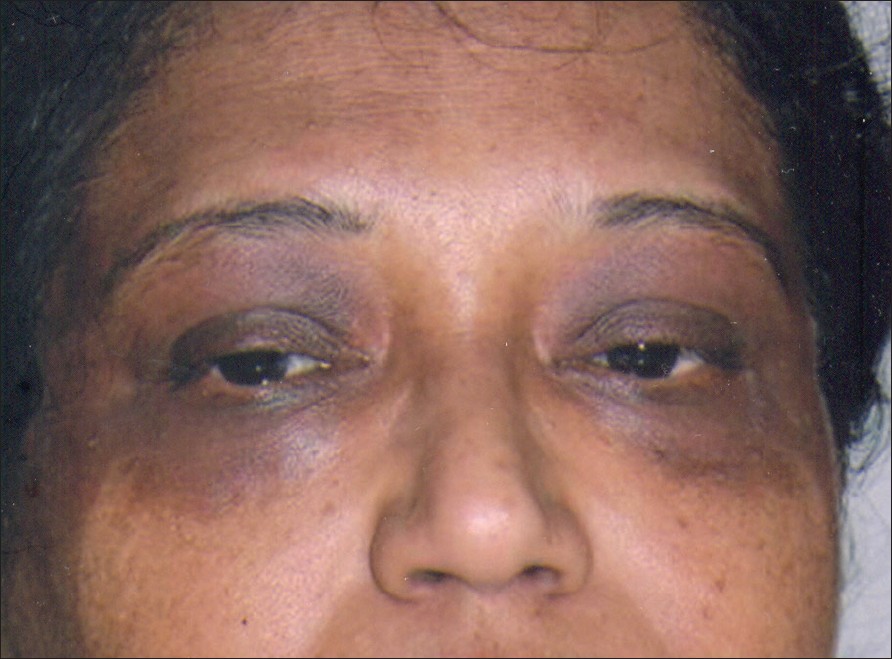
Pigmented Dark Circles
These are brown or greyish patches caused by melanin deposits in the skin. They may result from genetics, chronic sun exposure, post-inflammatory hyperpigmentation or hormonal changes.
Pigmented circles tend to be more common in individuals with medium to darker skin tones.

Best Eye Treatment for Dark Circles: Matching the Cause to the Solution
Once you understand the type of dark circle you are dealing with, you can choose a treatment that actually addresses the root issue.
Dark Circle Type | What Causes It | Professional Treatment Options |
|---|---|---|
Structural | Volume loss, tear trough hollowing, mid-face descent | Hyaluronic acid fillers, skin boosters, biostimulators |
Vascular | Visible blood vessels, thin skin, poor circulation | Skin boosters to thicken skin, vascular laser, lifestyle adjustments |
Pigmented | Melanin deposits, sun damage, inflammation | Pigment-focused lasers, chemical peels, brightening boosters |
When Skin Boosters Are the Smarter Starting Point
For individuals who are not ready for fillers or whose main concern is skin quality rather than volume, advanced skin boosters can offer a gentler entry point.
These injectable treatments combine deeply hydrating hyaluronic acid with peptides and other active ingredients. They work by improving skin density, reducing fine lines and gradually brightening the under-eye area from within.
Skin boosters do not add volume like fillers. Instead, they support the skin’s natural structure and resilience, which can make dark circles appear less prominent over time.
Hyaluronic Acid Fillers for Tear Trough Shadows
When dark circles are primarily caused by structural hollowing, hyaluronic acid fillers placed in the deep tissue planes can be highly effective.
The filler is used to blend the transition between the lower eyelid and the cheek, eliminating the shadow cast by the orbital rim. This creates a smoother, more rested appearance without adding artificial volume to the surface.
A conservative, staged approach is essential. Overfilling can lead to puffiness, the Tyndall effect (a bluish hue caused by light scattering) or an unnatural appearance.

Laser and Energy-Based Treatments for Pigmentation
If your dark circles are driven by melanin deposits rather than shadows or vessels, pigment-focused laser treatments may be the most appropriate option.
These devices work by breaking up melanin clusters safely and gradually. Lower energy settings over multiple sessions help minimise the risk of rebound darkening, which is especially important for individuals with medium to darker skin tones.
Chemical peels can also be considered for surface pigmentation, though they must be selected carefully based on skin type and tolerance. Chemical peeling treatments require professional guidance to match the right acid concentration to your skin type.
What to Expect from Professional Treatment
Professional treatments for dark circles are not instant fixes. Most require a series of sessions, careful aftercare and realistic expectations.
Skin boosters typically require two to three sessions spaced a few weeks apart, with results gradually improving over the following months. Hyaluronic acid fillers offer more immediate correction but may need touch-ups every 6 to 18 months depending on metabolism and placement depth.
Pigment-focused lasers often require multiple sessions to achieve even brightening, and sun protection becomes non-negotiable during and after treatment.
Supporting Your Results at Home
Even after professional treatment, daily habits play a significant role in maintaining your results and preventing further darkening.
Sun Protection
Daily broad-spectrum sunscreen is essential, especially after pigment-focused treatments. UV exposure can trigger melanin production and undo months of progress.
Hydration and Barrier Support
The skin around the eyes is naturally thinner and more prone to dryness. A dedicated eye moisturiser helps plump the surface layers and strengthens the dermal barrier against daily friction.
Sleep and Fluid Management
Consistent sleep reduces vascular pooling and fluid accumulation. Elevating your head slightly with an extra pillow can help encourage natural lymphatic drainage if you are prone to morning puffiness.
Allergy Control
Chronic rubbing weakens the delicate under-eye tissues over time. Managing seasonal allergies and sinus congestion can reduce inflammation and prevent vascular dark circles from worsening.
Choosing the Right Path Forward
There is no universal best eye treatment for dark circles. The right choice depends on whether your concern is primarily structural, vascular, pigmented or a combination of all three.
A professional assessment can help identify the underlying cause and guide you toward a treatment plan that matches your anatomy, lifestyle and goals. Trying to self-diagnose or choosing treatments based on popularity alone often leads to disappointing results.
If you are ready to move beyond eye creams and explore professional options, a personalised consultation can help you understand which approach may be most suitable for your specific type of dark circle.
To discuss your under-eye concerns and explore tailored treatment options, you can reach out to the team at Hebe Clinic for a professional assessment.