Hair thinning vs hair loss are not always the same thing, and knowing which one you are dealing with changes how you should respond.
Thinning usually means your hair is gradually becoming less dense or finer in texture, while hair loss can involve more noticeable shedding or bald patches.
Key Takeaways
- Hair thinning refers to gradual reduction in hair density and strand thickness, while hair loss often involves more visible shedding or bald spots.
- Common causes include genetics, hormonal changes, stress, nutritional gaps and certain medical conditions.
- Losing some hair daily is normal, but sudden increases in shedding or patchy loss may need a proper assessment.
- Treatment options in Malaysia range from topical medication to in-clinic procedures, with suitability depending on the underlying cause.
Hair Thinning vs Hair Loss: What’s Actually Different
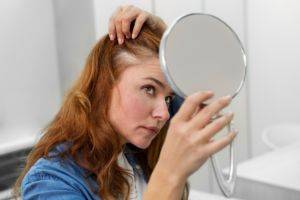
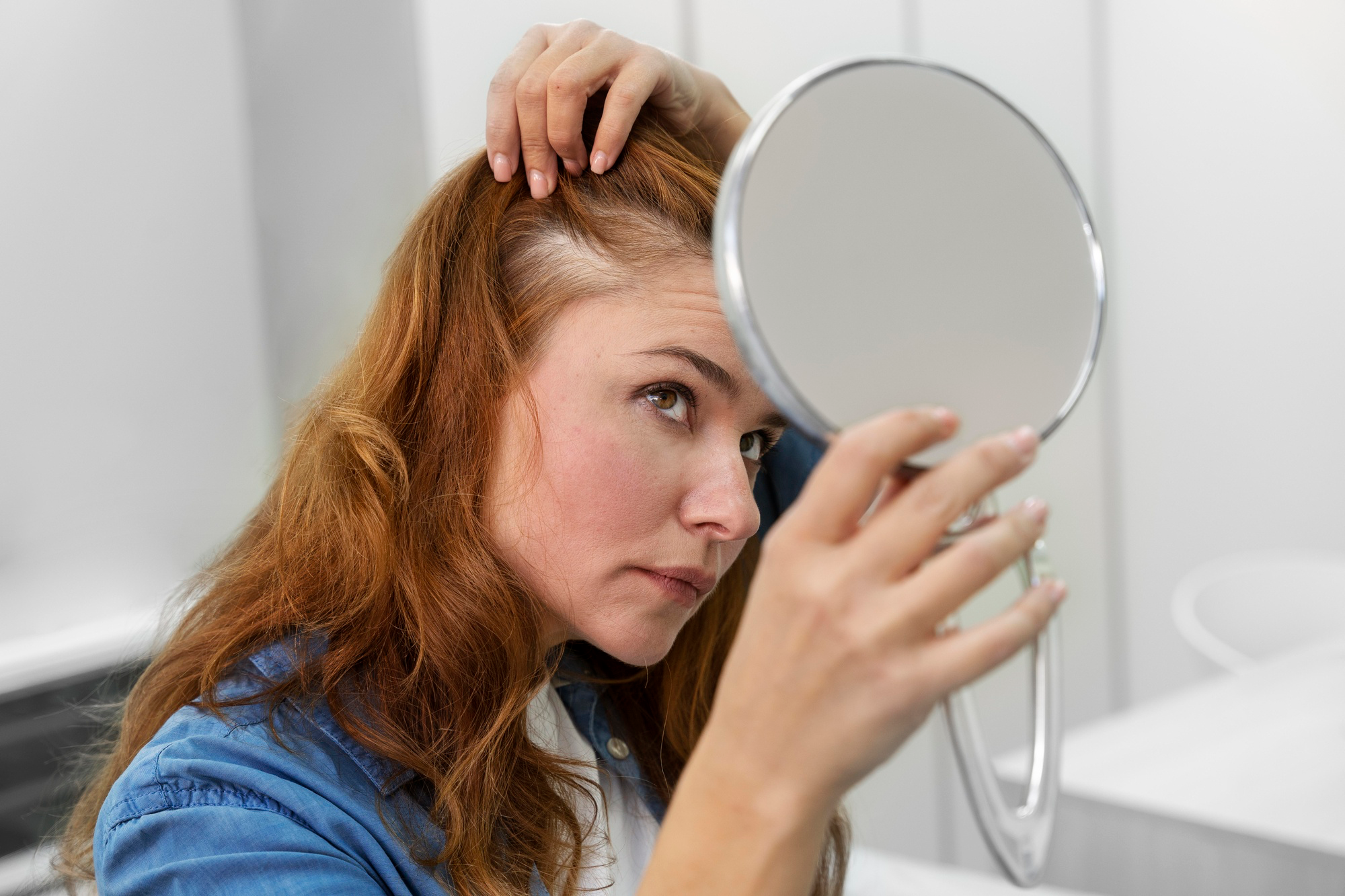
Hair thinning is usually a slow process. Your hair may feel less full, your ponytail might seem smaller, or your parting could look wider than it used to.
This happens because individual strands become finer and the overall density on your scalp gradually reduces over months or years.
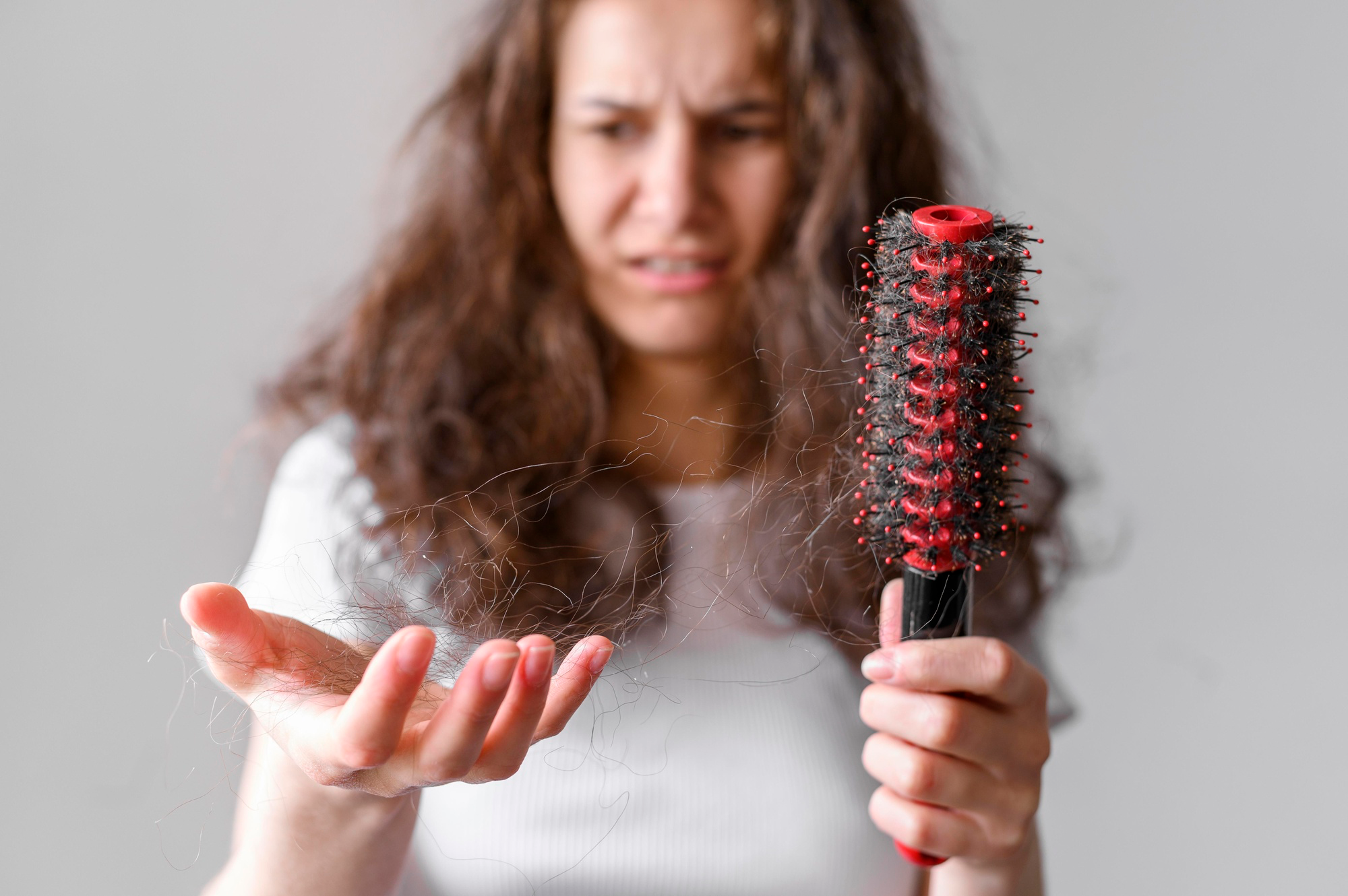
Hair loss, on the other hand, often refers to a more active process of shedding, where hair falls out faster than it can be replaced.
This can show up as clumps in the shower drain, noticeable bald patches, or a receding hairline that changes shape over a relatively short period.
The two are related but not identical. Thinning can eventually lead to more visible loss, and some conditions cause both at once.
Is It Just Shedding, or Should You Worry?
Everyone loses hair daily as part of the natural growth cycle. On an average day, this is considered a normal part of how hair renews itself.
The difference between normal shedding and a real problem usually comes down to pattern, speed and volume.
- Normal shedding: Hair falls out gradually and evenly, and new growth appears to replace it over time.
- Increased shedding: You notice significantly more hair than usual over a few weeks, often linked to stress, illness or hormonal shifts.
- Pattern loss: Hair recedes or thins in a specific pattern, such as at the temples, crown or top of the scalp.
- Patchy loss: Hair falls out in distinct round or irregular patches, which may point to a different underlying cause altogether.
If your shedding seems to have suddenly increased, or if you are seeing distinct bald spots rather than general thinning, this is usually a signal to have it looked at properly rather than guessing at the cause.
What’s Behind Your Hair Changes?
There is rarely a single reason behind hair thinning or hair loss. Several factors often overlap, which is why a proper evaluation matters more than trying to self-diagnose.
Genetics and Pattern Hair Loss
Androgenetic alopecia, commonly known as male or female pattern hair loss, is one of the most common causes of gradual thinning. It tends to follow a predictable pattern and can run in families.
Hormonal Changes
Shifts in hormones, including those related to pregnancy, menopause or thyroid function, can affect hair growth cycles and contribute to thinning or increased shedding.
Stress and Illness
A condition called telogen effluvium can cause noticeable shedding a few months after a stressful event, surgery or significant illness. This is usually temporary, though it can feel alarming while it is happening.
Nutritional Gaps
Low iron, vitamin D or protein intake can affect hair strength and growth over time, particularly when deficiencies are prolonged rather than short term, which is why some people turn to hair growth supplements to help support these levels.
Scalp Conditions
Conditions affecting the scalp, such as inflammation or infection, can sometimes cause localised thinning or patchy loss that looks different from typical pattern hair loss.
When Hair Thinning Needs Professional Eyes
It is not always easy to tell from the mirror alone whether you are dealing with normal ageing changes, temporary shedding, or something that needs medical attention.
A few signs suggest it may be time to have your scalp properly assessed rather than waiting it out.
- Sudden or rapid hair loss over a short period
- Distinct bald patches rather than gradual thinning
- Scalp itching, redness, flaking or pain alongside hair changes
- Hair loss accompanied by other symptoms such as fatigue or weight changes
- Thinning that is affecting your confidence and has not improved with basic care
A consultation typically starts with understanding your history, examining your scalp and hair pattern, and discussing any recent lifestyle or health changes.
From there, the direction of care depends on whether the concern is more consistent with pattern thinning, temporary shedding, or a condition that needs a different kind of management.
Comparing Common Approaches to Hair Concerns
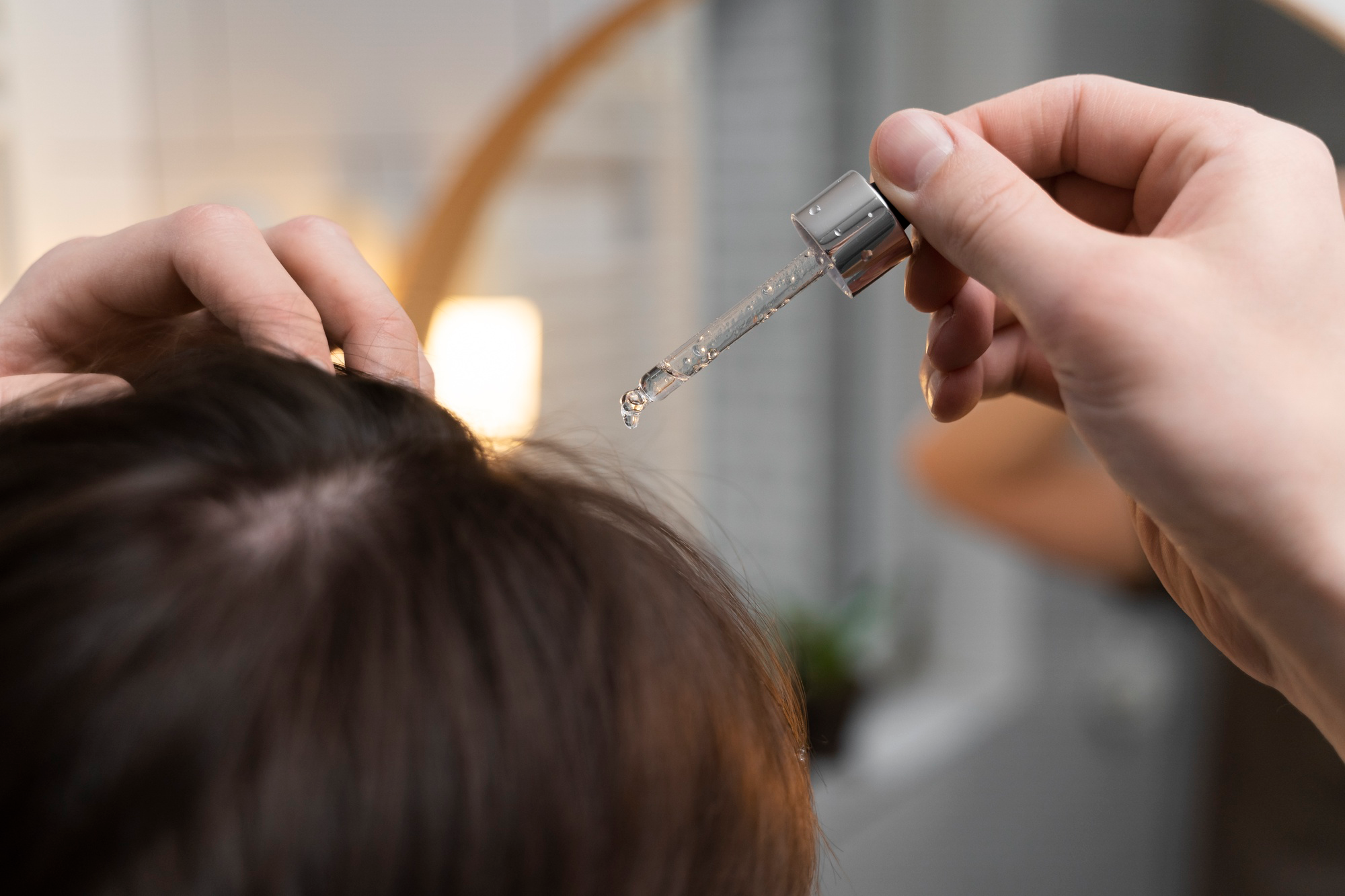
Once the type of hair concern is better understood, several approaches may be considered depending on individual circumstances.
Approach | Best Suited For | What to Know |
|---|---|---|
Topical or oral medication | Early pattern thinning | Often considered a first-line option, generally used consistently over months before changes are noticeable |
Hair growth supplements | General hair health support | May support hair quality alongside other treatments, though results vary between individuals |
Mesotherapy or growth factor treatments | Thinning with reduced scalp density | Delivered directly to the scalp, usually requires a treatment course |
Laser-based scalp treatments | Supporting scalp and follicle condition | Non-invasive option that may be used alongside other treatments |
There is no single approach that suits everyone. What works well for one person’s pattern hair loss may not be appropriate for another person’s stress-related shedding, which is why a personalised assessment matters more than following a generic routine.
Your Next Step Starts With Knowing What You’re Dealing With
Whether your hair concern is thinning, shedding, or a mix of both, the most useful first step is understanding what is actually happening on your scalp rather than guessing based on how your hair feels.
At Hebe Clinic, hair concerns can be assessed to help determine whether you are experiencing pattern thinning, temporary shedding, or another underlying cause, so any next steps can be guided more clearly.
Depending on your scalp condition and goals, this may involve hair growth supplements, scalp mesotherapy, or laser-based scalp treatments as part of a personalised plan.
If you are unsure what is behind your hair changes, you can speak to the Hebe Clinic team about your concerns.