Acne scars can linger long after the breakouts have cleared, leaving behind visible reminders that affect how you see yourself in the mirror.
For many people, depressed or rolling scars remain stubbornly resistant to topical treatments, serums and even some laser procedures. This is where subcision offers a different approach by addressing the underlying structural cause rather than just the surface appearance.
This article explains how subcision acne scars treatment works, what happens during the procedure, who may benefit from it and what realistic outcomes you can expect when dealing with indented scarring.
Key Takeaways
- Subcision targets the fibrous bands beneath depressed acne scars, releasing them to allow the skin to lift naturally.
- The procedure works best for rolling and boxcar scars, while ice-pick scars may require complementary treatments.
- Results develop gradually over several weeks as collagen production increases and the treated area fills in.
- Multiple sessions may be needed depending on scar depth, skin type and individual healing response.
Why Some Acne Scars Stay Indented
Not all acne scars are the same, and understanding why certain scars remain depressed helps explain why subcision can be effective.
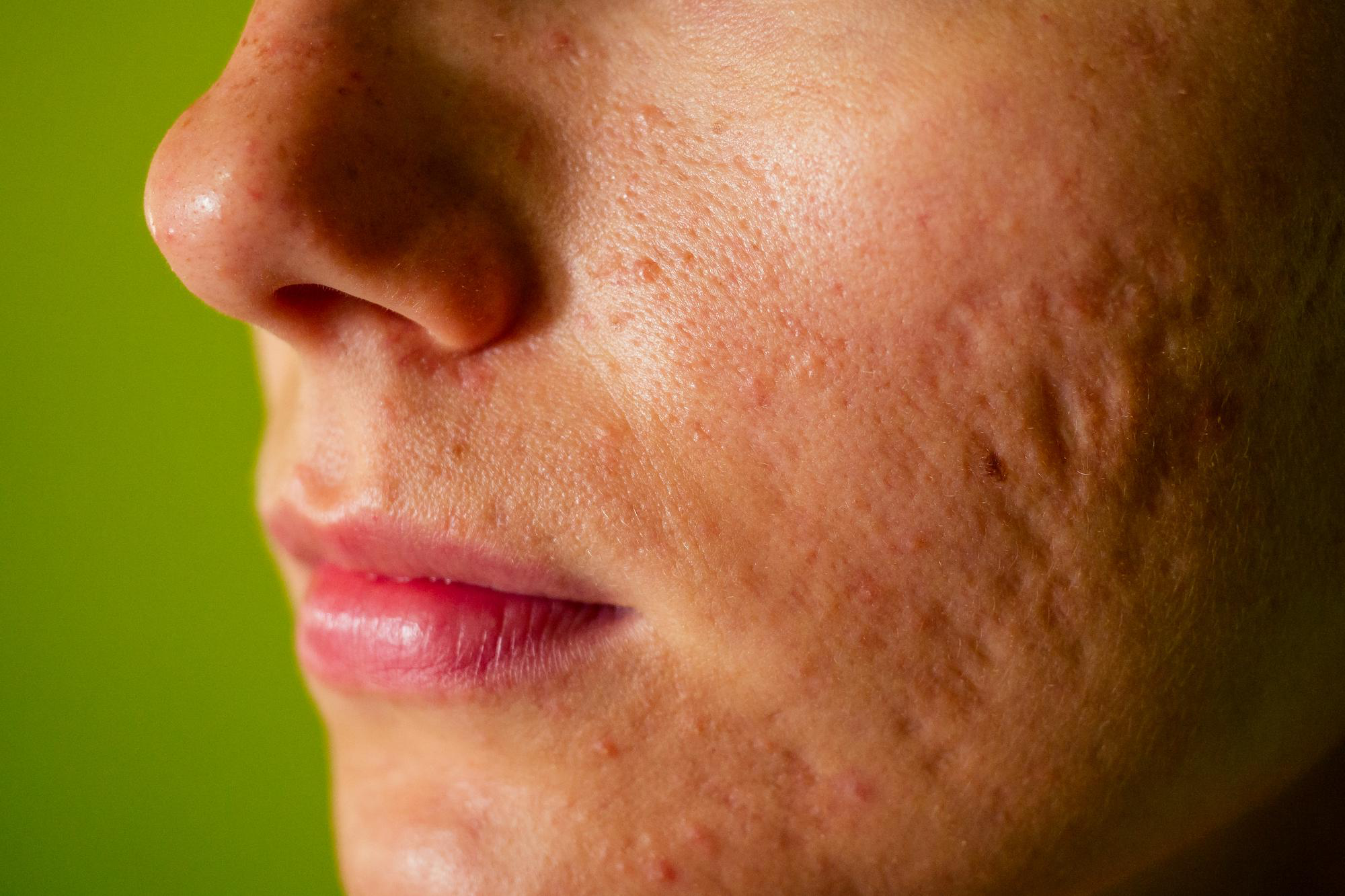
When deeper acne lesions heal, the skin sometimes forms fibrous bands that tether the surface layer to the underlying tissue. These bands pull the skin downward, creating the indented appearance that characterises rolling and boxcar scars.
Topical treatments and even some resurfacing procedures cannot reach these deeper structural attachments. They may improve surface texture or pigmentation, but the depression itself remains because the tethering bands are still intact beneath the skin.
This is why depressed acne scars often need a treatment that works at the structural level rather than just the surface.
How Subcision Acne Scars Treatment Actually Works
Subcision is a minor in-office subcision procedure designed to release the fibrous bands that pull down on scarred skin.
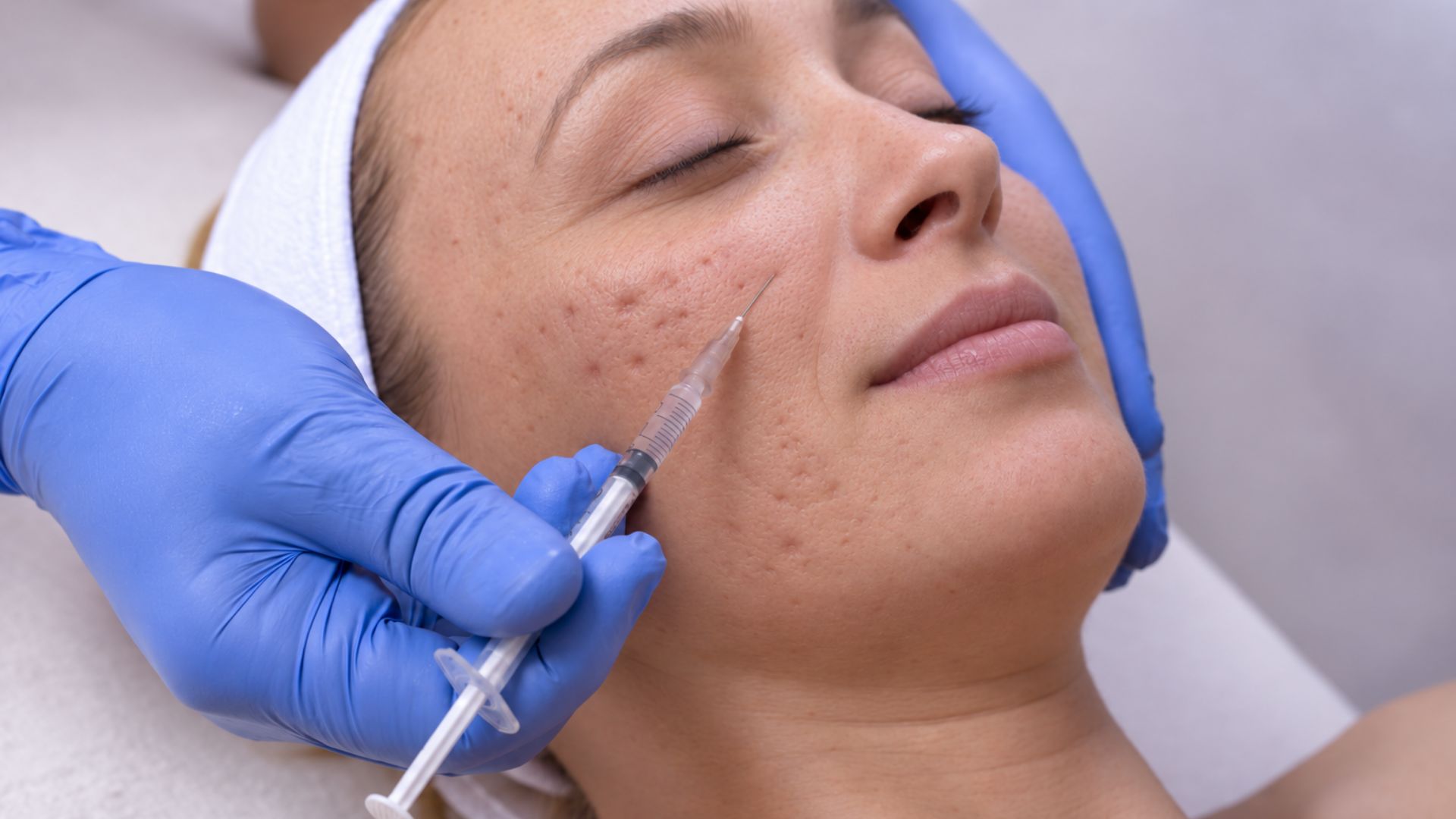
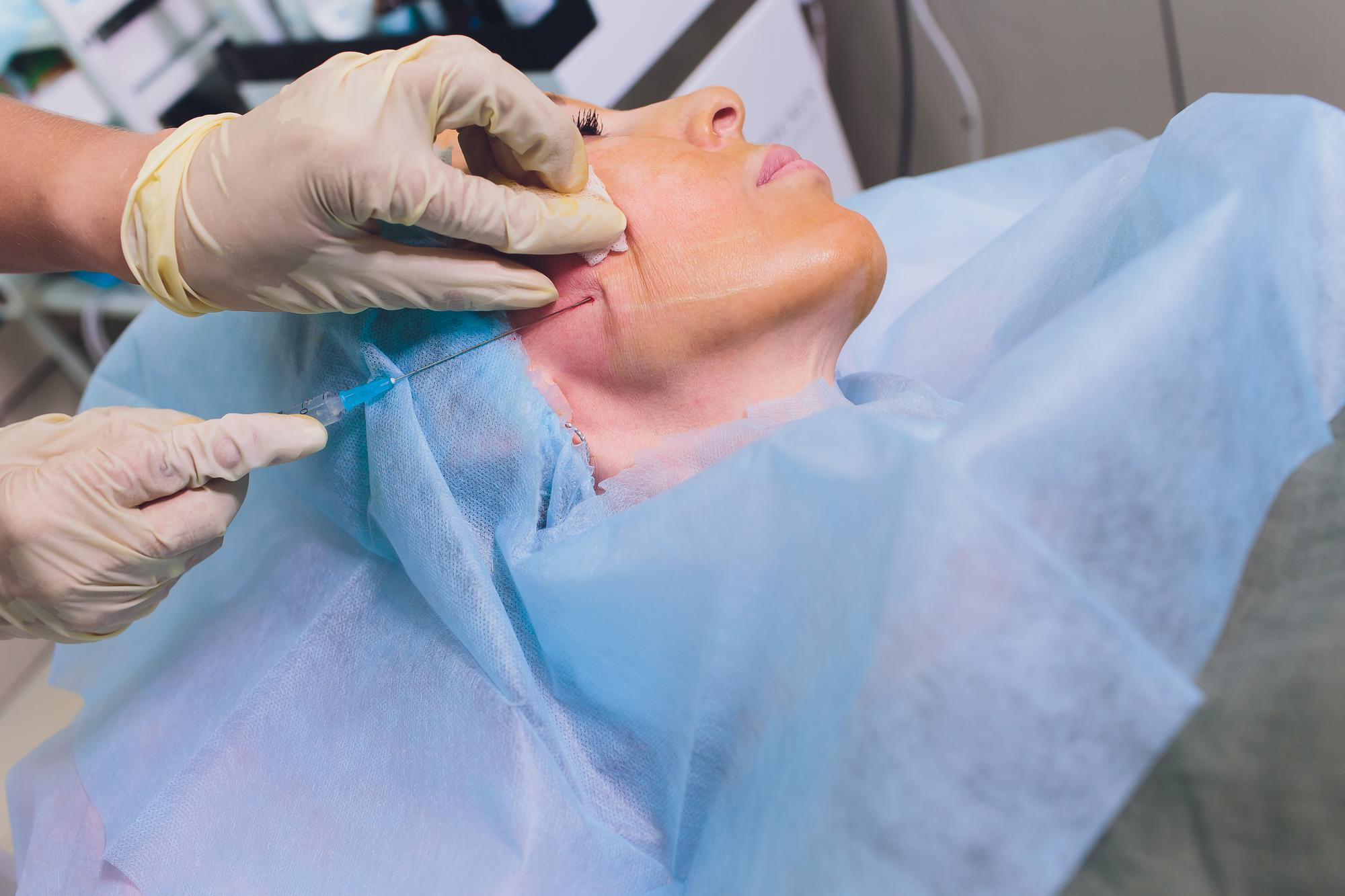
During the treatment, a specialised needle is inserted beneath the scar tissue. The needle is carefully manoeuvred to break the tethering bands that anchor the depressed skin to the deeper layers.
Once these bands are released, the skin can lift naturally. The controlled trauma from the procedure also stimulates the body’s natural healing response, encouraging new collagen production in the treated area over the following weeks.
This combination of mechanical release and biological repair is what allows subcision to improve the appearance of indented scars gradually and naturally.
What Happens During a Subcision Session
Understanding the procedure itself can help reduce any apprehension about what to expect.
Preparing the Treatment Area
The area is cleansed thoroughly, and local anaesthetic is applied to minimise discomfort throughout the procedure.
During the Treatment
The practitioner uses a fine needle to carefully release the fibrous bands beneath each targeted scar. You may feel pressure or tugging sensations, but the anaesthetic helps manage any sharp discomfort.
Session Length
The entire session typically takes between 20 to 45 minutes, depending on the number and depth of scars being treated.
Immediately Afterwards
There may be some swelling, bruising or mild tenderness in the treated area, which usually settles within a few days to a week. Most people can return to their usual activities shortly after the procedure, though strenuous exercise and direct sun exposure should be avoided for a few days.
The Real Timeline for Seeing Results
One of the most important things to understand about subcision is that results are not immediate.
In the first few days after treatment, the area may look slightly swollen or bruised. This is a normal part of the healing process and does not indicate the final outcome.
Over the following weeks, the skin begins to produce new collagen in response to the controlled trauma. As this collagen builds, the depressed area gradually fills in and the scar becomes less noticeable.
Most people begin to see visible improvement around four to six weeks after the procedure. However, collagen remodelling continues for several months, so the full benefit may not be apparent until three to six months later.
This gradual improvement is one reason why subcision often requires multiple sessions spaced several weeks apart, particularly for deeper or more extensive scarring.
Who Benefits Most from Subcision
Subcision is not a one-size-fits-all solution, and certain scar types respond better than others.
Rolling Scars
These scars have a wave-like appearance caused by fibrous bands pulling the skin downward. Subcision is highly effective for this scar type because it directly targets the underlying tethering.
Boxcar Scars
Characterised by well-defined edges and a flat base, boxcar scars can also improve with subcision, especially when combined with other resurfacing treatments to address the edges and surface texture.
Ice-Pick Scars
These narrow, deep scars are less responsive to subcision alone. They often require additional treatments such as TCA cross or punch excision for optimal results.
Subcision may be less suitable for individuals with active acne, certain skin conditions or those prone to keloid scarring. A thorough assessment is essential to determine whether this treatment aligns with your specific skin concerns and healing tendencies.
Combining Subcision with Other Treatments
While subcision can deliver meaningful improvement on its own, it is often more effective when combined with complementary procedures.
Fractional laser treatments can help refine skin texture and improve the appearance of scar edges after the fibrous bands have been released. Skin boosters or dermal fillers may be used to add volume and further support the lifted skin.
For those dealing with multiple scar types, a staged approach that includes subcision alongside other modalities such as TCA cross or chemical peels may offer more comprehensive improvement.
The key is tailoring the treatment plan to your individual scarring pattern, skin type and aesthetic goals rather than relying on a single procedure to address all concerns.
What to Expect After Your Subcision Procedure
Post-treatment care plays an important role in supporting optimal healing and results.
Swelling and bruising are common in the first few days. Applying cold compresses gently can help reduce these effects. Avoid touching or pressing on the treated area unnecessarily.
Sun protection is crucial during the healing phase. The skin is more vulnerable after subcision, and UV exposure can lead to pigmentation changes or delayed healing.
Most practitioners recommend avoiding harsh skincare actives such as retinoids or strong exfoliants for at least a week after treatment. Gentle cleansing and moisturising support the skin barrier without causing irritation.
If you experience prolonged swelling, unusual pain or signs of infection, contact your practitioner promptly for guidance.
Realistic Expectations and Long-Term Value
Subcision is not a miracle cure, and it is important to approach the treatment with realistic expectations.
Most people see noticeable improvement in scar depth and skin smoothness, but complete elimination of scarring is rare. The goal is to make scars less prominent and improve overall skin texture, not to erase every trace of past acne.
The value of subcision lies in its ability to address the structural foundation of depressed scars, something that topical treatments and many other procedures cannot achieve. When performed carefully and combined with appropriate complementary treatments, it can deliver natural-looking, lasting improvement.
However, individual results vary depending on scar depth, skin type, healing response and adherence to post-treatment care. Multiple sessions are often needed to achieve the best possible outcome.
Is Subcision Right for Your Acne Scars?
Subcision offers a targeted approach for depressed acne scars caused by fibrous tethering beneath the skin. It works by releasing these bands and stimulating collagen production, allowing the skin to lift gradually over time.
While the procedure is effective for rolling and boxcar scars, it may need to be combined with other treatments for more complex scarring patterns. Results develop slowly, requiring patience and realistic expectations.
If you are considering subcision for acne scars, get in touch with Hebe Clinic for a personalised consultation.