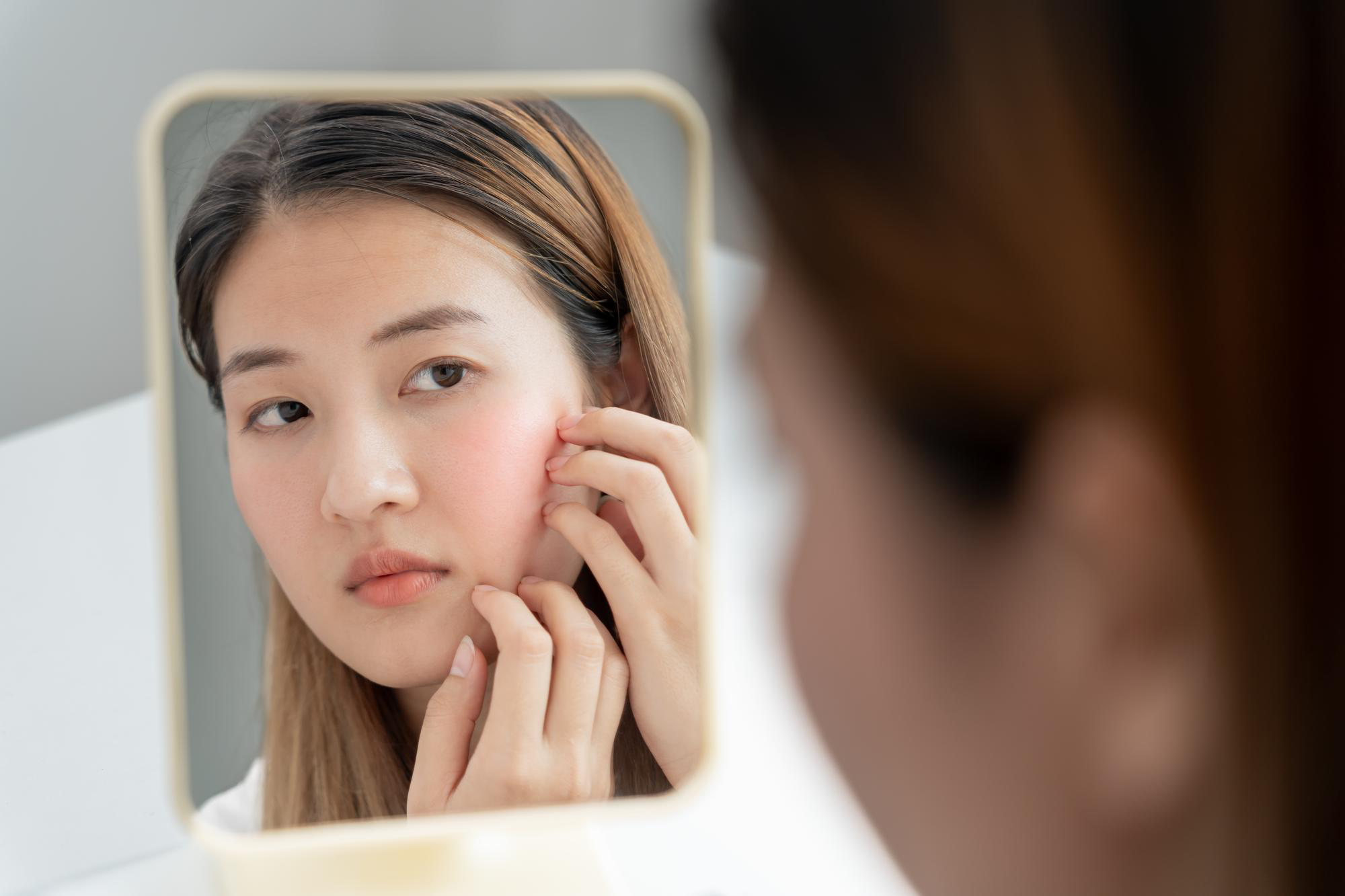
If you have sensitive skin, the idea of laser hair removal probably sounds risky.
You might worry about redness, irritation or even burns. Many people assume that reactive skin and laser treatments simply do not mix, so they stick with shaving, waxing or threading, even though those methods can cause their own problems.
The reality is that laser hair removal for sensitive skin is not only possible, it can actually be gentler than repeated waxing or chemical depilatories when the treatment is tailored properly. Modern laser technology has advanced significantly, and the right approach can reduce unwanted hair while respecting your skin’s unique needs.
Key Takeaways
- Sensitive skin does not automatically rule out laser hair removal when the treatment is customised to your skin type and tolerance level.
- Nd:YAG lasers are typically better suited for reactive or delicate skin because they work deeper beneath the surface without overheating the outer layer.
- A proper skin assessment before treatment helps identify any concerns that may affect how your skin responds to laser energy.
- Gentle aftercare and avoiding harsh products or sun exposure after each session support comfortable healing and better long-term results.
Why Sensitive Skin Reacts Differently
Sensitive skin tends to respond more strongly to heat, friction and chemical exposure. This happens because the skin barrier may be naturally thinner, more reactive or less able to tolerate stress without becoming inflamed.
When the barrier is compromised, even mild irritation can trigger redness, stinging, dryness or flaking. This is why people with sensitive skin often struggle with traditional hair removal methods.
Shaving can cause razor burn and ingrown hairs. Waxing pulls at the skin and may lead to post-inflammatory pigmentation or prolonged redness. Depilatory creams contain strong chemicals that can irritate delicate skin.
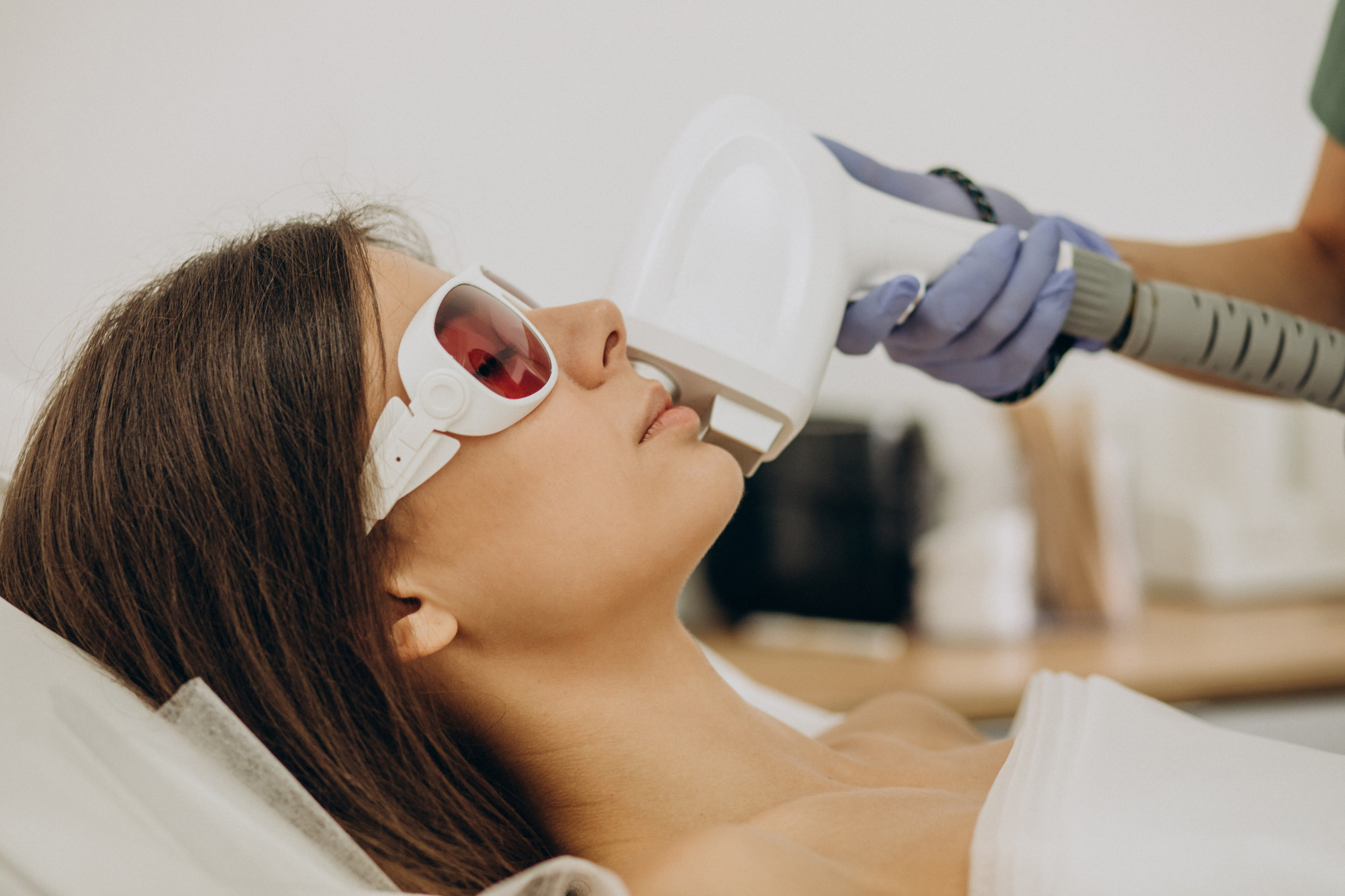
Laser hair removal works differently. Instead of scraping, pulling or dissolving hair at the surface, it targets the hair follicle beneath the skin using controlled light energy. When performed correctly, this can be less traumatic for sensitive skin treatment than repeated mechanical or chemical methods.
What Makes Modern Lasers Safer
Not all lasers are the same, and this matters especially for people with reactive or delicate skin.
Older Systems Used Shorter Wavelengths
- Absorbed more heat into the skin’s surface
- Increased the risk of burns, blistering or pigmentation changes
- Particularly risky for those with sensitive or darker skin tones
Modern Nd:YAG Lasers Penetrate Deeper
- Use a longer wavelength that reaches beneath the surface without concentrating excessive heat
- Target the hair follicle while minimising irritation to the surrounding tissue
Built-In Cooling Systems Protect the Skin
- Protect the outer layer during treatment
- Reduce discomfort
- Lower the chance of post-treatment redness or swelling
For individuals seeking a gentler approach to permanent hair reduction, treatments using Fotona Nd:YAG laser technology may offer a suitable balance between effectiveness and skin comfort.
The Real Risk Is Rushing the Process
Many complications with laser hair removal happen not because the technology itself is unsuitable, but because the treatment was not adjusted to match the person’s skin condition.
Sensitive skin typically requires a more conservative approach. This may mean starting with lower energy settings, spacing sessions further apart or conducting a test patch before treating larger areas.
Pushing too hard or too fast can overwhelm reactive skin and lead to prolonged redness, dryness or temporary pigmentation changes. A gradual plan that respects your skin’s tolerance will usually deliver better long-term results with fewer setbacks.
What Happens During a Proper Assessment
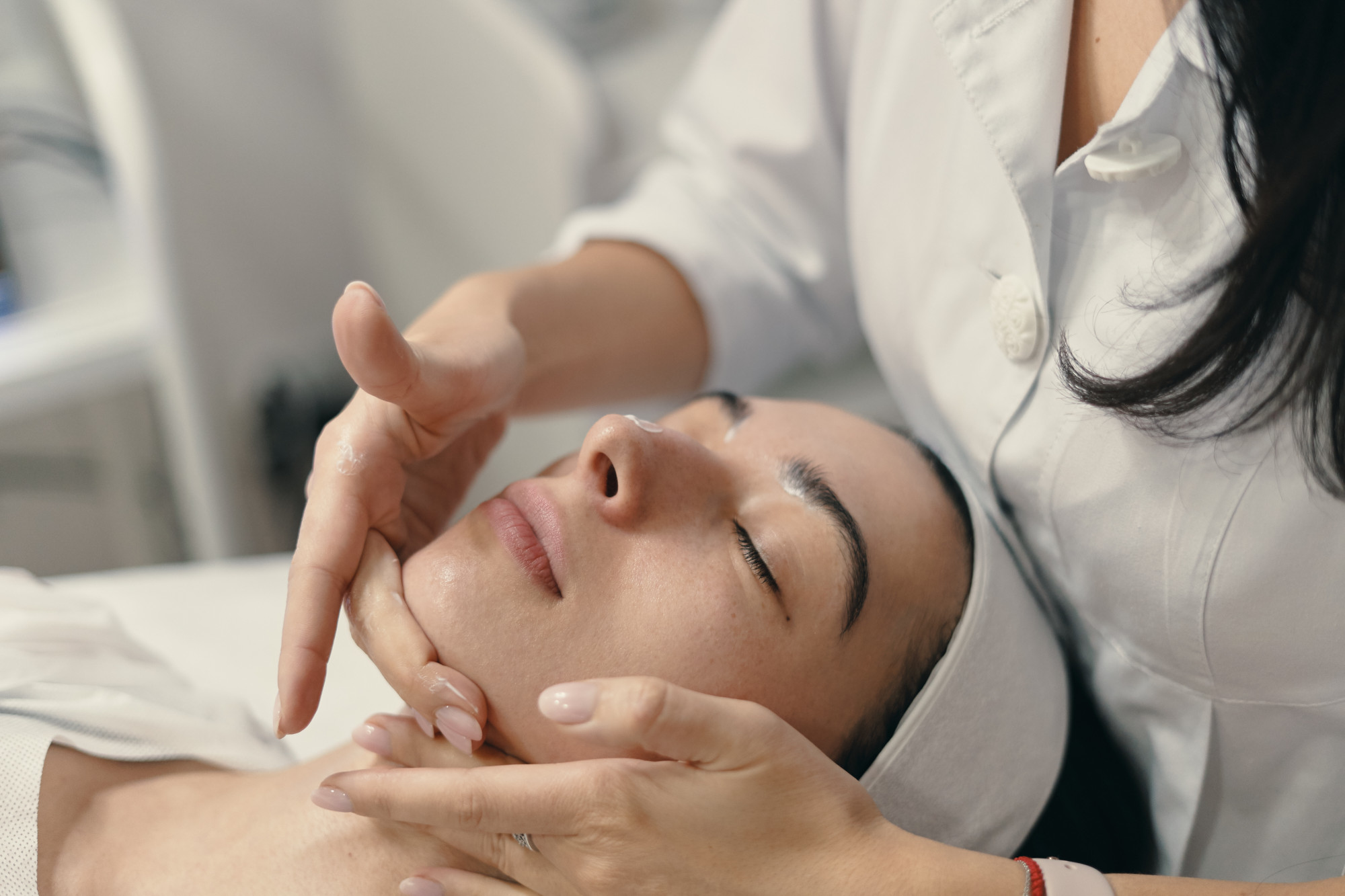
Before any laser treatment begins, a thorough skin assessment should take place. This is especially important for people with sensitive or reactive skin.
What Gets Evaluated
- Your skin type, tone, hair colour and texture
- Any active skin conditions such as eczema, rosacea or recent inflammation, alongside pigmentation and skin tone concerns
- Your history with other hair removal methods
- How your skin typically responds to heat or products
What the Assessment Determines
- Whether laser hair removal is appropriate
- Which laser type and settings are safest
- What precautions should be taken before and after each session
When Treatment May Be Postponed
- If your skin is currently irritated, sunburned or actively inflamed
- This is not a rejection, it is a protective measure to ensure the best possible outcome
How to Prepare Your Skin Beforehand
Preparation plays a significant role in how well sensitive skin tolerates laser hair removal.
In the days leading up to your session, avoid waxing, threading or plucking. The laser needs the hair follicle intact beneath the skin to work effectively. Shaving is fine and usually recommended a day or two before treatment.
Stop using harsh exfoliants, retinoids or strong active ingredients for at least a few days before your appointment. These can thin the skin or increase sensitivity, making it more reactive to the laser.
Avoid direct sun exposure and do not use tanning products. Tanned or sunburned skin is more prone to pigmentation changes and discomfort during laser treatment.
If your skin is dry or irritated, focus on gentle hydration and barrier repair in the week before your session. Calm, well-moisturised skin generally tolerates treatment better than skin that is already stressed.

What to Expect After Each Session
Immediately after laser hair removal, it is normal to experience some mild redness or warmth in the treated area. For people with sensitive skin, this reaction may be slightly more noticeable but should still settle within a few hours to a day or two.
In the First 24 Hours
- Avoid hot showers, saunas, vigorous exercise or anything that generates additional heat
- Keep the area clean and moisturised using gentle, fragrance-free products
Until Your Skin Has Fully Recovered
- Skip harsh exfoliants, retinoids or strong active ingredients
- Apply sun protection, even if the treated area is usually covered by clothing
When to Contact Your Clinic
- Prolonged redness, blistering or unusual pigmentation
- Any other concerning reaction
- Early intervention can prevent complications and support better healing
When Laser May Not Be the Right Choice
While laser hair removal for sensitive skin is generally safe when performed correctly, there are situations where it may not be suitable.
If you have an active skin infection, open wounds or severe inflammation in the area to be treated, laser therapy should be delayed until the condition has resolved.
Certain medical conditions or medications can increase skin sensitivity or affect healing. If you are taking photosensitising medications, have a history of keloid scarring or have been diagnosed with a condition that affects skin healing, these factors should be discussed during your assessment.
Unrealistic expectations can also be a barrier. Laser hair removal works best on dark hair with light to medium skin tones. Very light, grey or red hair may not respond as well because there is less melanin for the laser to target.
A professional consultation will help determine whether laser treatment is appropriate for your individual circumstances or whether another approach, such as exploring facial treatments, may be more suitable.
Making the Right Choice for Your Skin
Sensitive skin does not mean you have to rule out laser hair removal. With the right technology, a properly customised treatment plan and careful aftercare, it can be a safe and effective option for reducing unwanted hair without the ongoing irritation caused by shaving or waxing.
The key is to work with a clinic that understands reactive skin, uses advanced laser systems and takes the time to assess your skin properly before beginning treatment.
If you are unsure whether laser hair removal is suitable for your skin type, the team at Hebe Clinic can provide a personalised assessment and recommend a treatment plan tailored to your needs. You can learn more about the available options or schedule a consultation by visiting the clinic’s contact page.
Visit Hebe Clinic to find out more about how laser hair removal can be made safe and comfortable for your skin.