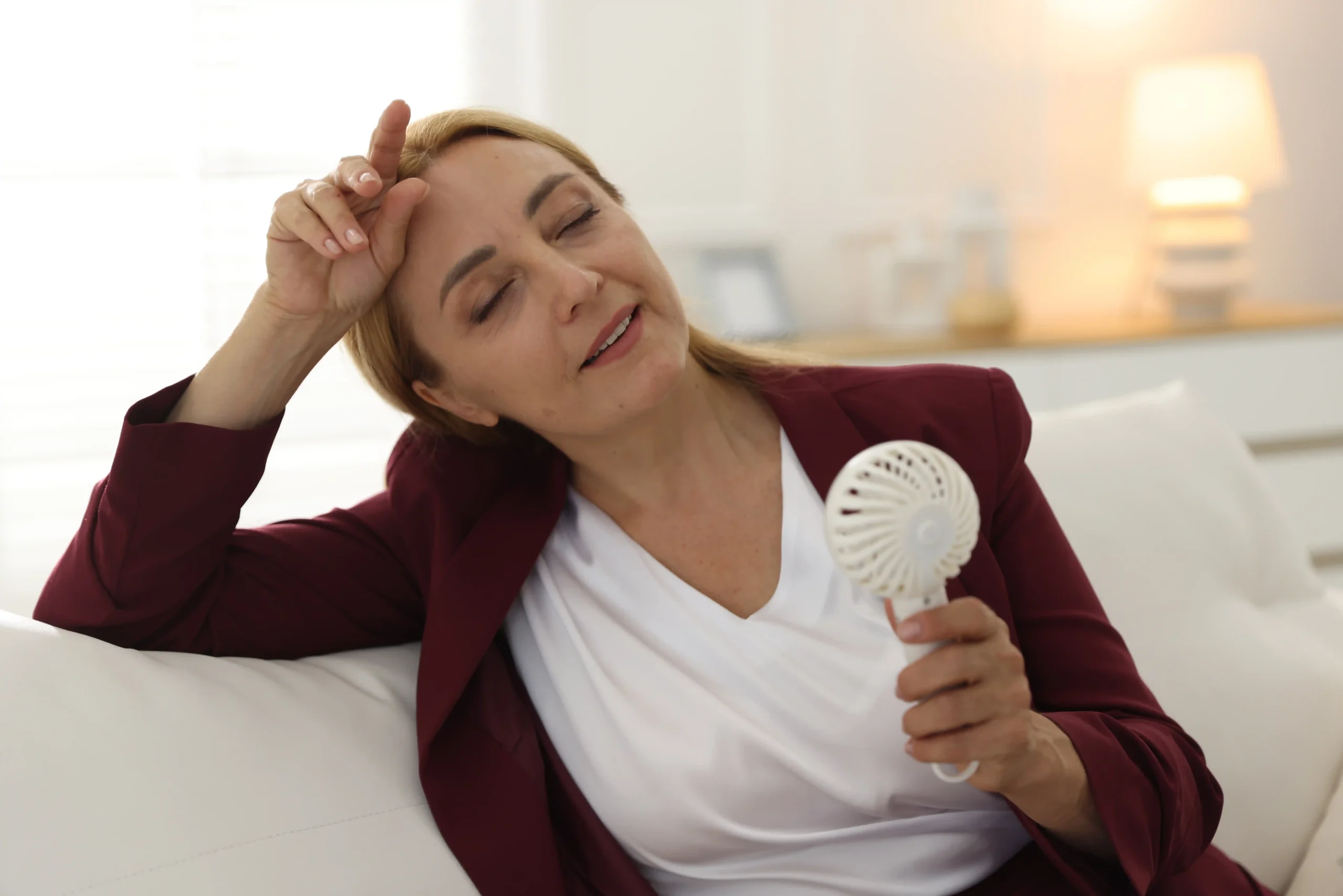
Sudden hot flushes
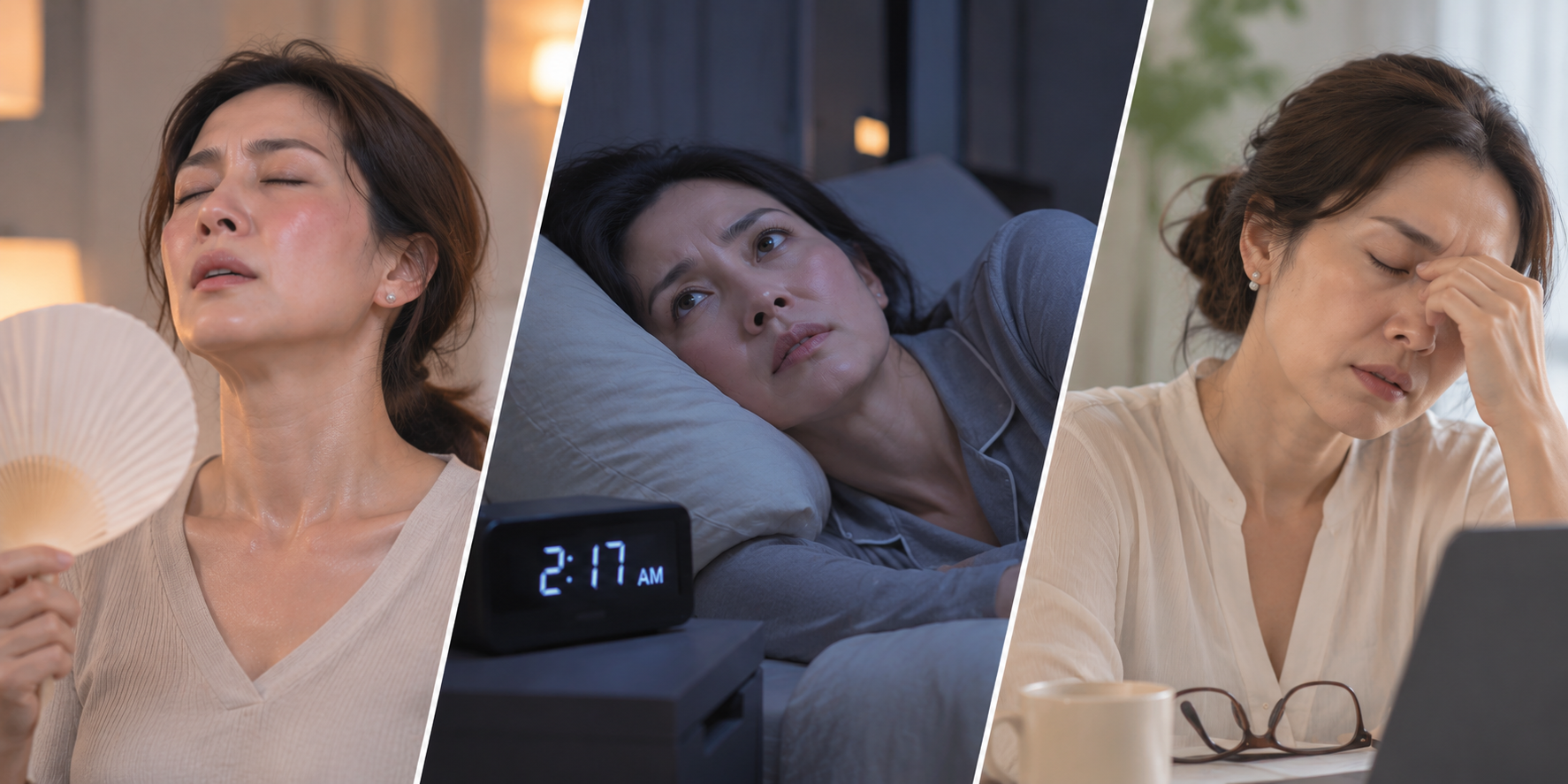
An unexpected feeling of heat, often across your face, neck and chest. You may sweat or feel uncomfortable, even when others around you feel fine.
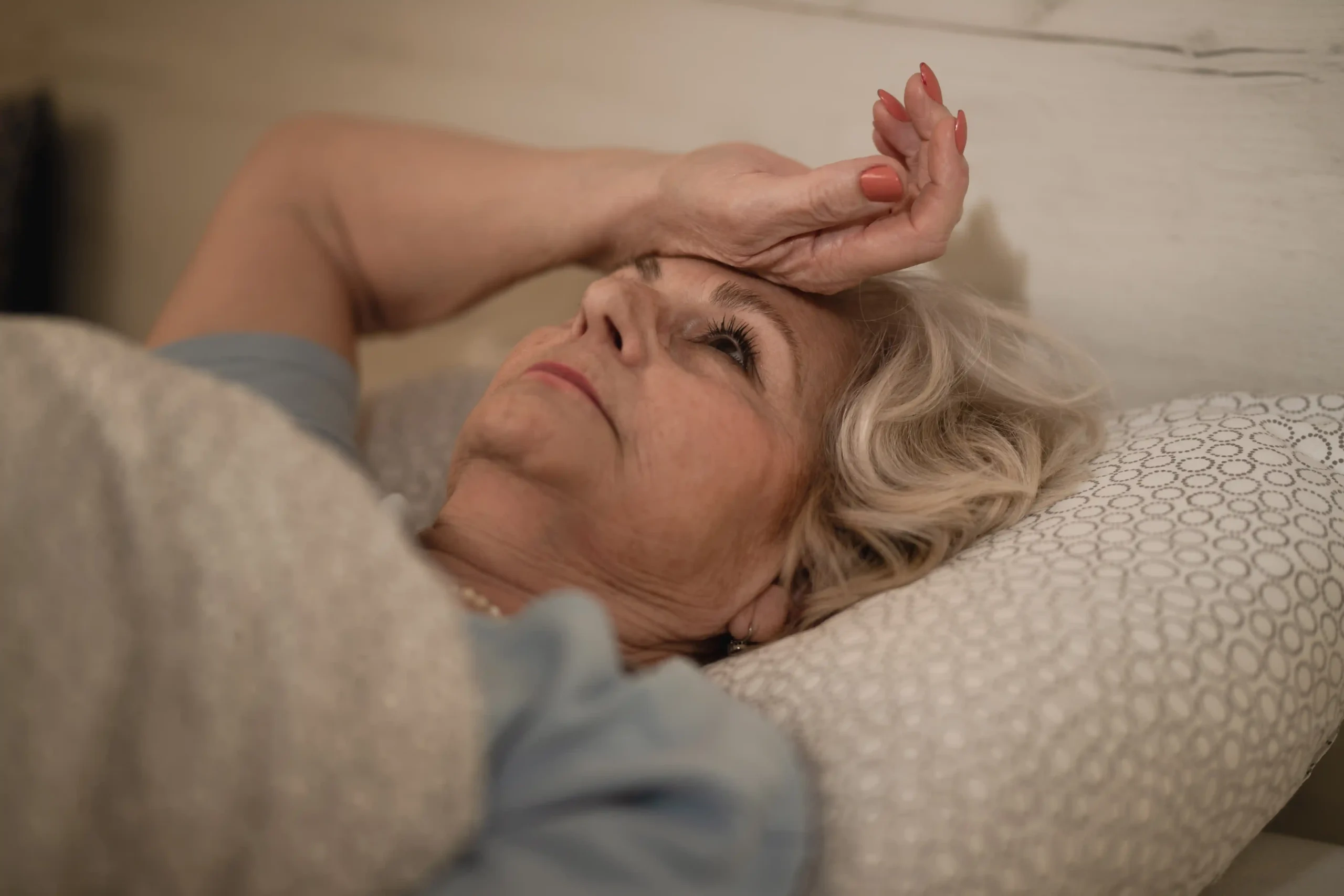
Night sweats and disrupted sleep
Waking up sweaty, struggling to fall asleep, or finding it difficult to stay asleep can leave you feeling drained the next day.
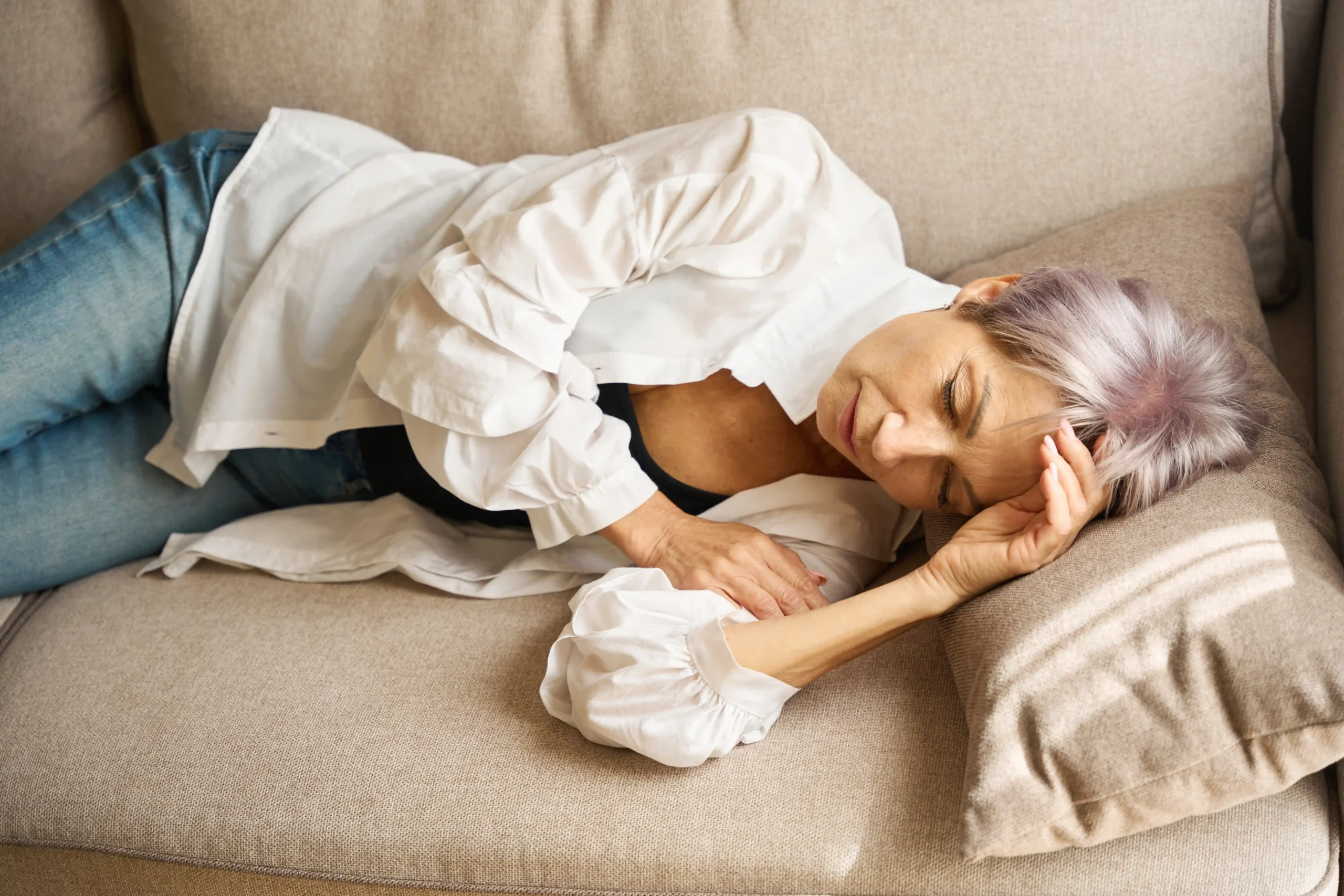
Changes in mood
You may feel more irritable, anxious or emotional than usual. These changes can feel unsettling, especially when you cannot identify a clear reason.
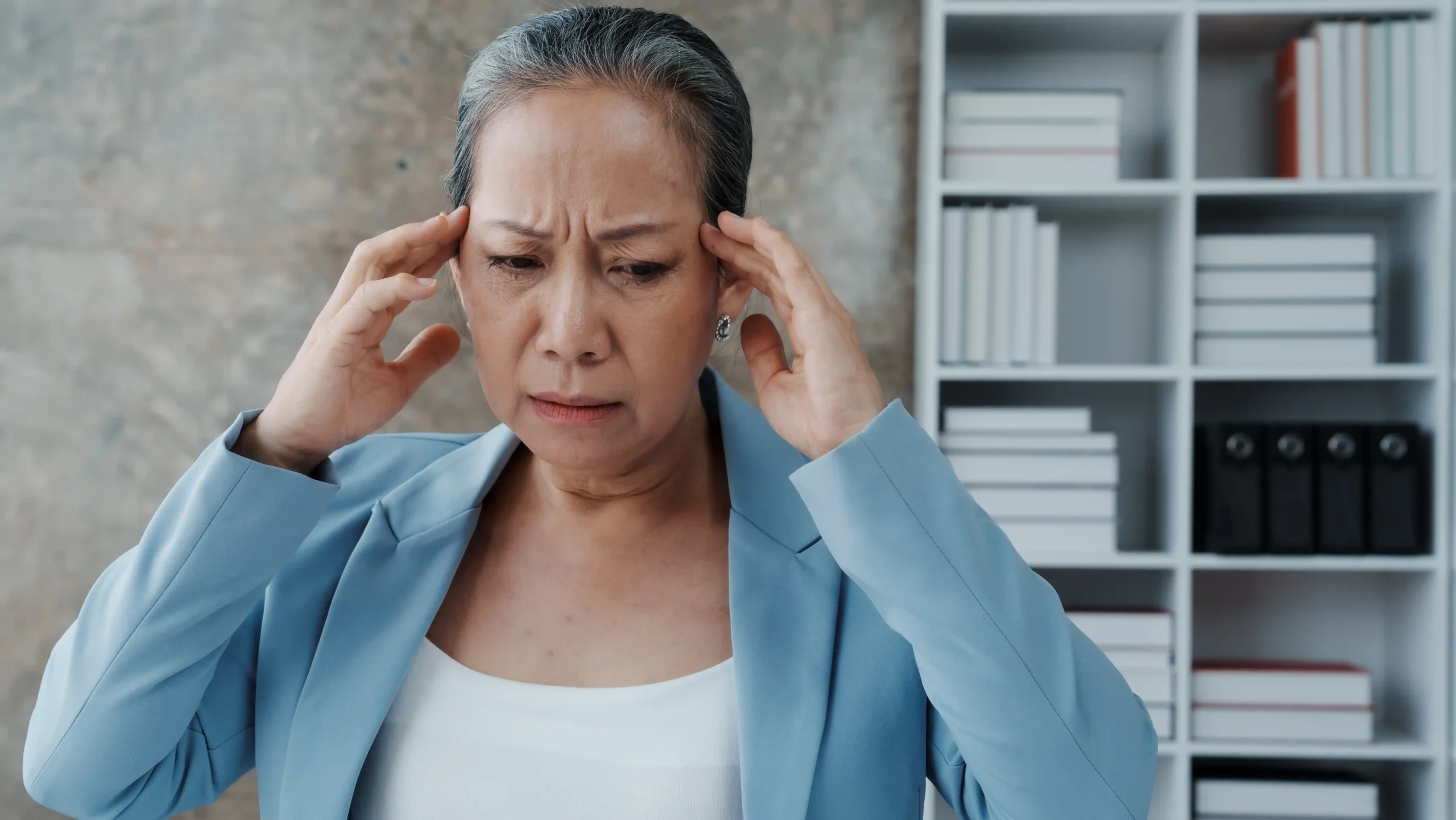
Brain fog
Forgetting a familiar word, losing your train of thought, or finding it harder to concentrate may make you feel less confident at work or at home.
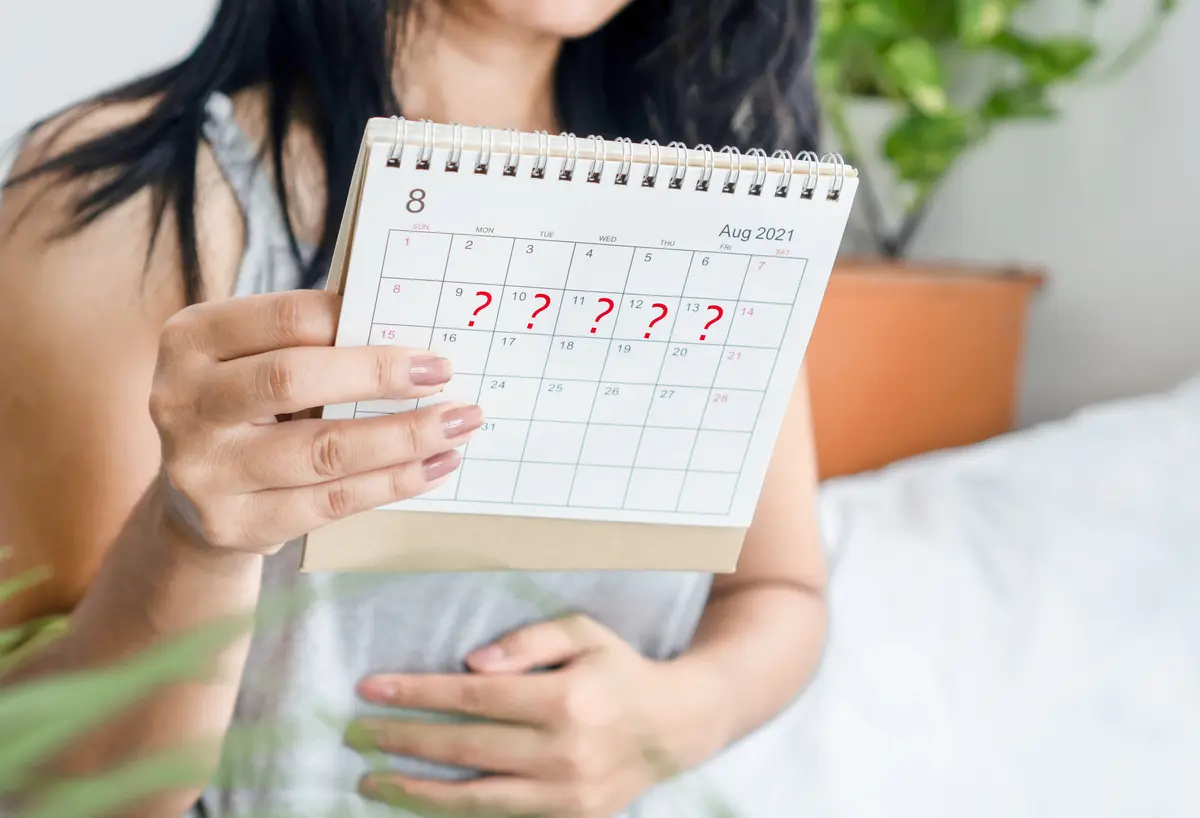
Changes in your periods
Your periods may become irregular, with changes in timing or flow.
Vaginal dryness or discomfort
Dryness and discomfort during intimacy can also occur. These symptoms can feel personal or difficult to discuss, but they deserve the same attention as any other health concern.
These changes can occur around perimenopause and menopause, but they do not confirm the cause on their own.
You don’t have to dismiss how you feel
You may have told yourself, “I’m just stressed,” or “Maybe I need more rest.”
Stress and other health conditions can cause similar symptoms, which is why a medical assessment can help. You don’t need to decide for yourself whether it is menopause before speaking with a doctor.
And you don’t need to wait until your symptoms become unbearable.
How a doctor can help

A doctor can listen to what has changed, review your menstrual pattern and medical history, and consider whether your symptoms may be related to perimenopause, menopause or another cause.
Depending on your symptoms and health history, treatment options may include lifestyle support, hormone replacement therapy (HRT), or non-hormonal treatments. The right approach depends on your individual needs, preferences and the potential benefits and risks.
Start a conversation with Hebe Clinic
If hot flushes, restless nights or other changes are affecting your daily life, book a consultation with a doctor at Hebe Clinic to discuss what you are experiencing and the next steps.
You can start simply: “I haven’t been feeling like myself, and I’d like to understand why.”
If your periods become unusually heavy, or you have any vaginal bleeding after 12 months without a period, arrange a medical assessment. These changes should be checked rather than assumed to be menopause.