Stress related hair loss is usually a temporary shedding condition called telogen effluvium, where stress pushes many hair follicles into a resting phase too early. It tends to cause thinning across the whole scalp rather than one bald spot, and hair often regrows once the trigger settles.
If you are staring at a clogged shower drain and wondering whether your demanding job, a bad illness or a rough few months is to blame, your worry is understandable. The shedding often appears long after the stressful event, which makes the link easy to miss.
Knowing how the timeline works, and what else could be behind it, may save you from guessing and from spending on the wrong fix.
Key Takeaways
- Stress related hair loss is most commonly telogen effluvium, a temporary shift of growing hairs into the resting phase that causes diffuse shedding.
- Shedding usually starts two to three months after the trigger, so the cause may not be your most recent stressful event.
- Other causes such as iron deficiency, thyroid problems, pattern hair loss or alopecia areata can look similar and may need testing.
- Many people see shedding settle within three to six months of the trigger being addressed, with visible recovery often taking longer, and professional review is wise if it persists.
Why Stress Makes Hair Fall Out
Each hair follicle cycles between a growth phase, a short transition and a resting phase before the hair sheds. Normally, most of your hairs are growing at any given time.
Significant physical or emotional stress can disrupt this balance. Medical literature suggests that around 70% of actively growing hairs may be pushed into the resting phase under major stress.
Because the follicles themselves are not destroyed, the condition is generally reversible. Once the resting hairs shed, new ones can begin growing from the same follicles.
The Two-Month Delay Nobody Mentions
Here is the part that confuses most people. Hair does not fall out the week you are stressed. Shedding typically becomes noticeable around two to three months later.
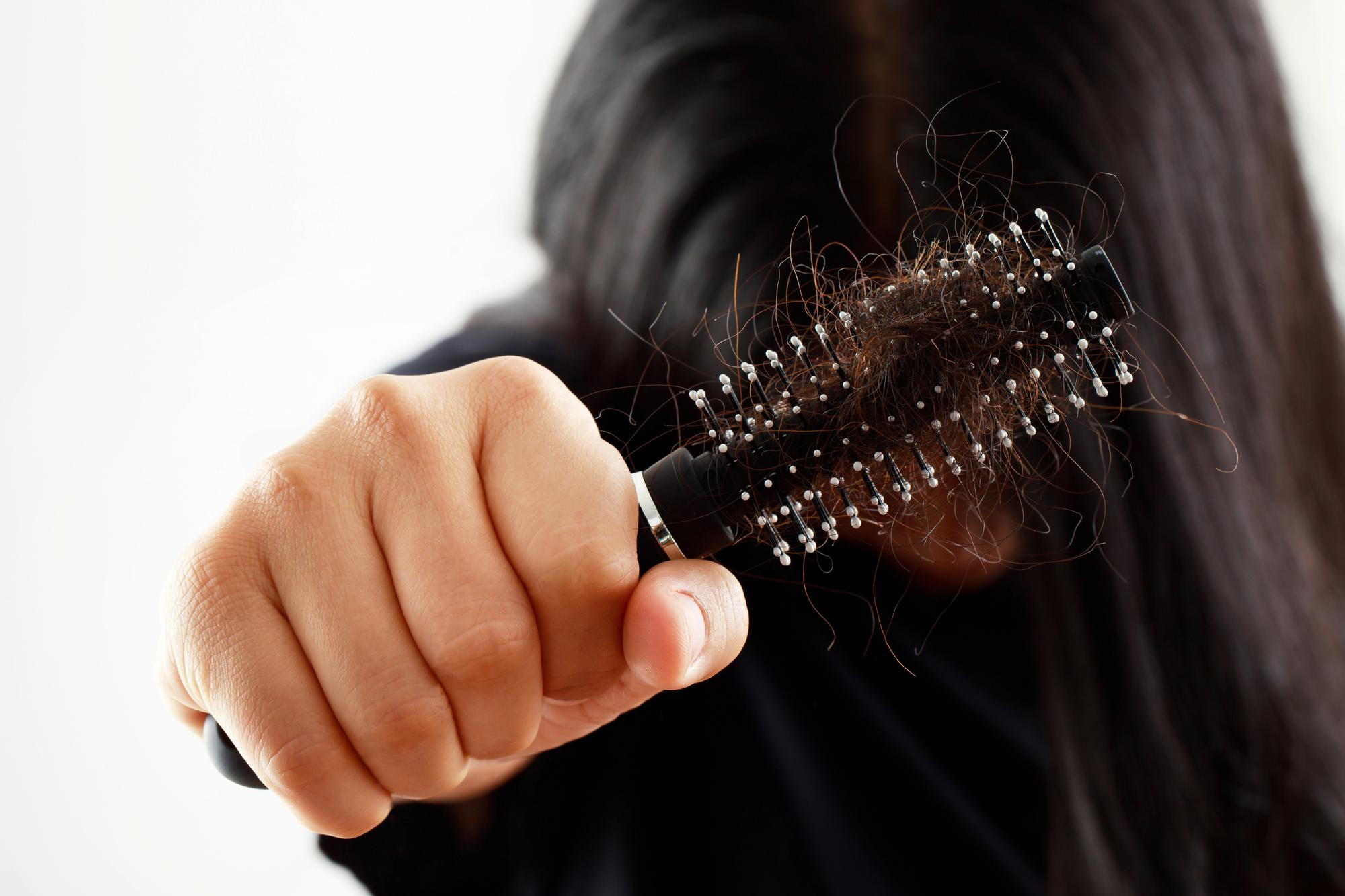
So the hair in your brush today may reflect something from the past season: a high fever, surgery, a crash diet, a bereavement, months of poor sleep or a punishing work deadline. Some medications and hormonal changes can also act as triggers.
Try thinking back three months. Finding a likely trigger can be reassuring, and it is useful information to share with a doctor.
Is It Stress or Something Else?
Stress is a common explanation, but it is not the only one. Iron deficiency, thyroid disease, nutritional gaps, scalp inflammation and medication effects can all cause shedding too.
What you notice | What it may suggest |
|---|---|
Even thinning all over, more hair on pillow and brush | Telogen effluvium, possibly stress related |
Receding temples or thinning crown that slowly worsens | Pattern (androgenetic) hair loss |
Wider parting with a gradual change in volume | Female pattern thinning or hormonal factors |
Round, smooth bald patches | Alopecia areata, needs medical review |
Itchy, scaly, red or painful scalp | Scalp condition, needs assessment |
Overlap is common. You can have stress shedding on top of underlying pattern thinning, which is why a self-diagnosis can be misleading.

Will Your Hair Grow Back?
For most people with acute stress related hair loss, the answer is encouraging. Shedding commonly settles within three to six months after the trigger is addressed, and visible regrowth may take around six to eight months or longer.
That timeline can feel slow, especially when baby hairs look short and wispy at first. Patience matters, and so does ruling out a second cause if progress stalls.
Supportive steps may help while you wait:
- Eat enough protein and iron-rich foods: crash diets are a known trigger, so steady nutrition helps your follicles recover.
- Protect your sleep: regular rest supports the body’s recovery from stress.
- Go easy on your hair: limit tight hairstyles, high heat and harsh chemical treatments.
- Build in stress relief: exercise, boundaries around work and talking to someone you trust all count.
Treatment depends on the diagnosis. For simple telogen effluvium, resolving the trigger may be enough, and not every case needs procedures. Options such as minoxidil may be considered by a doctor in some situations but are not a universal cure for stress shedding.
When to Stop Waiting and Get Checked
Observation is reasonable for a few months if the shedding is diffuse and you can point to a trigger. Seek medical advice sooner if you notice patchy loss, scalp pain or scaling, shedding that continues beyond six months or other symptoms such as fatigue, weight changes or heavy periods.
A clinician can examine your scalp, review your history and, where appropriate, suggest blood tests for conditions such as iron deficiency or thyroid problems. Getting the diagnosis right matters more than choosing a treatment quickly.
If supportive care is appropriate, Hebe Clinic offers hair supplements and serums, hair cytokines growth factor mesotherapy and Fotona Hair Restart Laser. Suitability depends on your diagnosis, and results vary between individuals.
If stress is also affecting hormones or overall wellbeing, you can ask about the clinic’s wellness services during your consultation.
Take the Calm, Informed Route
Stress related hair loss can be alarming, but it is often temporary and tied to a trigger from weeks or months earlier. Understanding that delay, checking for other causes and looking after your general health are sensible first steps.
If your shedding is not settling or you are unsure what is behind it, a professional assessment can bring clarity and a plan that fits your situation. Visit Hebe Clinic to find out more about hair growth support.