Why skin can lose its glow after 40
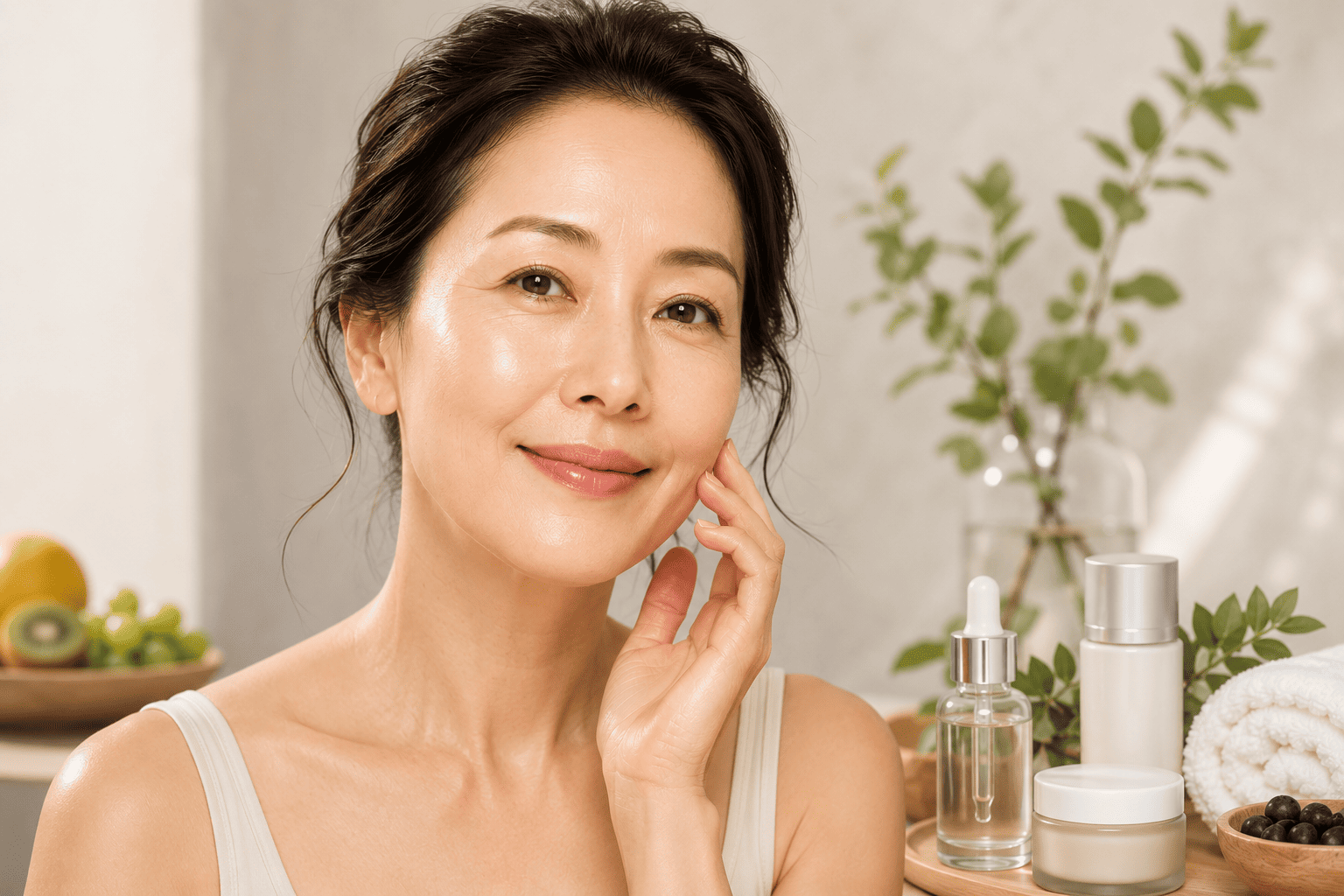
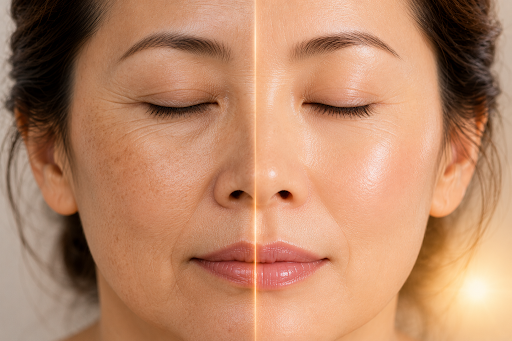
After 40, skin naturally goes through several changes at the same time. It may produce less oil, lose moisture more easily, and recover more slowly from daily stress. Collagen and elastin also gradually decline, which can affect firmness and elasticity, while slower cell turnover can leave the complexion looking duller and less fresh.
Over time, sun exposure becomes more visible as well, contributing to pigmentation, uneven tone, fine lines, roughness, and loss of firmness. Hormonal changes may also play a role, especially as women approach perimenopause or menopause, when skin may start to feel drier, more sensitive, and less plump.
That is why obtaining glowing skin after 40 is not only about using a brightening product. It is more about supporting healthier skin function overall.
Glowing Skin Starts With Skin Health
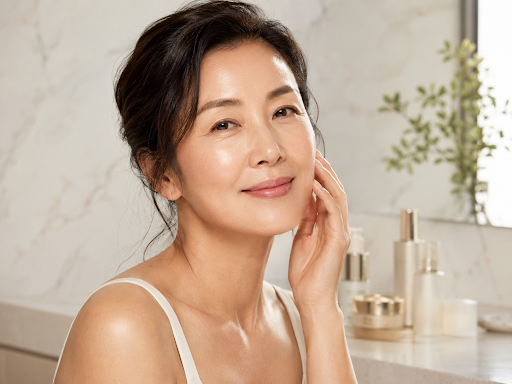
A healthy glow usually comes from a combination of hydration, smooth texture, even tone, strong barrier function, and good light reflection from the skin surface. If one of these areas is affected, the skin can look tired.
Here is a simple way to understand it:
Skin Health Factor | How It Affects Glow After 40 | What Helps |
Hydration | Dehydrated skin looks flat, rough, and lined | Moisturiser, humectants, skin boosters when suitable |
Skin barrier | A weak barrier can cause redness, dryness, and sensitivity | Gentle cleanser, barrier-supportive moisturiser, fewer harsh actives |
Cell turnover | Slower renewal can make the skin look dull and uneven | Gentle exfoliation, retinoids, professional peels when appropriate |
Pigmentation | Dark spots and uneven tone reduce radiance | Sunscreen, brightening ingredients, pigmentation treatments |
Collagen support | Loss of firmness can make the face look tired | Retinoids, energy-based treatments, biostimulators when suitable |
Sun protection | UV exposure worsens ageing and pigmentation | Daily broad-spectrum sunscreen |
Step 1: Protect Your Skin From Daily UV Damage
Sunscreen is the foundation of glowing skin after 40. Without consistent sun protection, pigmentation can keep returning, collagen breakdown may continue, and skin tone may become more uneven over time.
A good daily sunscreen should offer:
- Broad-spectrum protection
- SPF 30 or higher
- A texture comfortable enough for daily use
Apply it every morning and reapply when needed, especially after sweating or spending time outdoors.
Step 2: Restore Hydration Before Chasing Brightness
Many people assume dull skin needs stronger brightening products. In many cases, the skin is simply dry, dehydrated, or barrier-weakened.
A hydration-focused routine may include:
- A gentle cleanser
- A moisturiser with ingredients such as glycerin, hyaluronic acid, or ceramides
- Sunscreen every morning
- Less use of harsh scrubs or drying products
This step matters because hydrated skin reflects light more evenly. When the skin barrier is supported, the skin usually feels more comfortable and can tolerate brightening products more easily.
If dryness, fine lines, and dullness remain noticeable despite consistent home care, skin booster treatments may be considered to support hydration and overall skin quality.
Step 3: Use Brightening Ingredients Carefully
Mature skin usually responds better to a focused routine than to too many strong products at once. Brightening ingredients can be helpful, but they should be introduced slowly and used according to the skin’s tolerance.
Common options include:
- Vitamin C for dullness and uneven tone
- Niacinamide for barrier support and a brighter-looking complexion
- Retinol or retinoids for texture, tone, and fine lines
- Gentle exfoliating acids, such as lactic acid or glycolic acid, for surface dullness
The key is to avoid overloading the skin. Using too many activities at the same time may cause irritation, which can make the skin look duller instead of brighter.
Step 4: Treat Pigmentation Based on the Cause
Pigmentation after 40 can come from sun exposure, melasma, post-inflammatory changes, or age-related skin changes. This is why random brightening products do not always work.
Depending on the cause, treatment may include:
- Skincare for uneven tone
- Chemical peels
- Pigment-focused laser treatments
- Skin boosters or combination treatments when suitable
The right approach depends on the type of pigmentation, skin sensitivity, sun exposure, and treatment history. If a dark spot changes in size, shape, colour, or texture, it should be checked before being treated as ordinary pigmentation.
Step 5: Support Collagen for a Fresher-Looking Face
Glowing skin is not only about brightness. Loss of firmness can also make the face look more tired.
Collagen-supporting care may include:
- Retinoids when suitable
- Hydration
- Daily sunscreen
- Suitable in-clinic treatments for firmness or skin quality
Skincare can help improve surface quality, but deeper firmness concerns may need a more targeted assessment. In this case, facial sculpting treatments may be considered as part of a personalised plan, depending on the skin’s condition and treatment goals.
Step 6: Keep the Routine Simple Enough to Follow
After 40, skin usually does better with the right basics than with too many products.
A simple routine may look like this:
Time | Routine |
Morning | Cleanser, moisturiser, sunscreen |
Night | Cleanser, moisturiser, and one active when suitable |
If the skin becomes dry, red, flaky, or sensitive, the routine may be too strong.
Step 7: Choose Treatments That Respect Your Skin
Glowing skin should not come at the cost of comfort, safety, or long-term skin health. Mature skin can be more sensitive, so treatment selection should be careful.
This is especially important for people who have tried treatments before without visible improvement, feel unsure which option is right, or worry about pain, side effects, and hidden costs.
A good skin health plan should be:
- Personalised to the individual’s skin condition
- Clear about expected results
- Realistic about treatment timeline
- Gentle enough for the skin’s tolerance
- Focused on long-term skin quality
- Supported by proper aftercare
The safest treatment is not always the strongest treatment. It is the one that suits the person’s skin, concerns, lifestyle, and goals.
Start With Healthier-Looking Skin After 40
Glowing skin after 40 usually starts with understanding what your skin needs most. For some people, the main concern is dryness and barrier weakness. For others, it may be pigmentation, slower renewal, loss of firmness, or several concerns happening together.
At Hebe Clinic, your skin can be assessed based on hydration, tone, texture, sensitivity, and ageing-related changes, so the care plan can be guided more clearly. This may include skincare advice, skin booster treatments, pigmentation care, facial sculpting treatments, or a gentler maintenance approach depending on your skin condition.
If you are unsure how to begin, you can speak to the Hebe Clinic team about your skin concerns and find out what may be suitable for your skin.