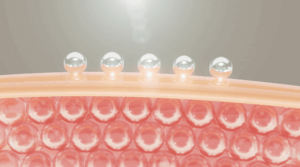
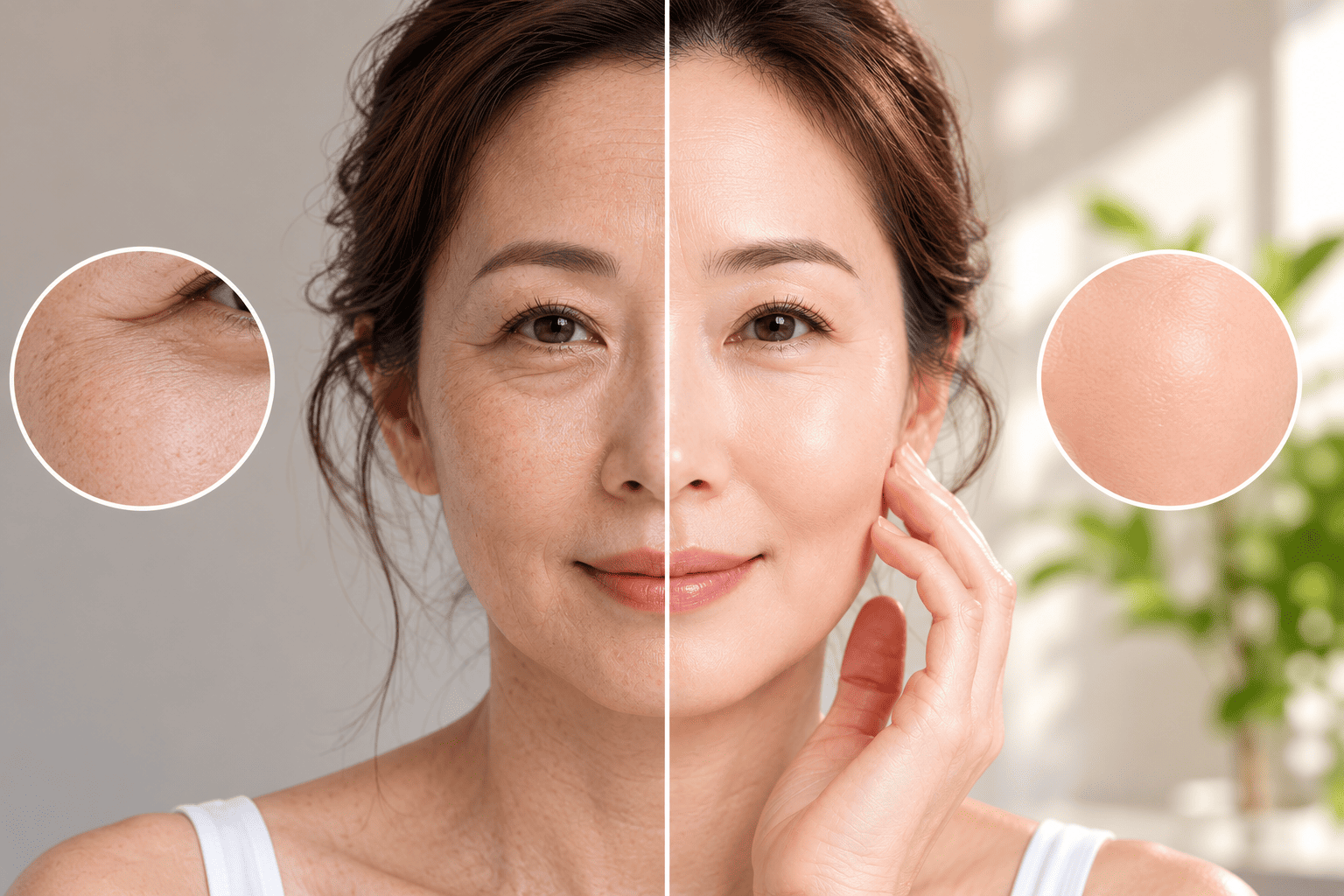
If your skin looks more tired than it used to, it may not be your imagination. As skin matures, it naturally becomes drier, thinner, and less elastic. Collagen and elastin gradually decline with age, which can affect firmness, smoothness, and overall radiance.
This can make the complexion look duller, flatter, and less fresh, even when you are resting well and taking care of yourself.
The good news is that tired-looking skin does not always need an aggressive fix. A gentler, more sustainable routine is usually the better direction, especially when you want brighter, healthier-looking skin after 40.
This article explains why mature skin can start to look dull, what may be contributing to that tired appearance, and how to brighten it in a way that supports the skin barrier instead of overwhelming it.
Why Mature Skin Often Starts to Look Dull
Mature skin rarely looks tired because of one single issue. It is usually a combination of dryness, slower renewal, sun exposure, barrier stress, and reduced collagen support.
As skin matures, it tends to hold less moisture and recover more slowly from daily environmental stress. Over time, this can make the skin look drier, less firm, and less radiant.
This may appear as:
- Less glow and more visible dryness
- Rougher skin texture
- Fine lines that look more noticeable when the skin is dehydrated
- Uneven tone from cumulative sun exposure
- Skin that looks flat or tired instead of fresh
In other words, dullness is not only about skin colour. It is often linked to how hydrated, smooth, calm, and resilient the skin is.
Common Reasons Mature Skin Looks Tired
1. Dryness and Water Loss
Dryness is one of the most common reasons mature skin looks dull. As skin ages, it may lose moisture more easily. When the surface is dry, it does not reflect light as evenly, which can make the complexion look rough, lined, or less radiant.
This is why moisturising should not be treated as a basic extra. For mature skin, it is often part of the actual repair and brightening strategy.
2. Sun Exposure Over Time
A lot of what people describe as tired-looking skin is linked to accumulated sun exposure. Over time, UV exposure can contribute to uneven tone, pigmentation, fine lines, rough texture, and a duller overall appearance.
Daily sun protection remains one of the most important steps in skin-ageing care. It helps reduce ongoing UV-related damage and supports the results of any brightening or rejuvenation routine.
3. Slower Surface Renewal
As skin matures, natural surface renewal may become less efficient. Older skin cells may stay on the surface longer, making the skin look rougher, flatter, and less bright.
This is one reason ingredients such as retinoids are commonly used in mature skincare routines. They can help support skin turnover and improve the look of tone and texture over time. However, they need to be introduced carefully, especially if the skin is dry or sensitive.
4. Barrier Stress and Irritation
Mature skin can become more reactive when it is over-cleansed, over-exfoliated, or overloaded with strong active ingredients. When the barrier is under pressure, the skin may look red, flaky, tight, or dull.
This is why gentle brightening is usually a better direction than trying to scrub or strip dullness away. The skin often looks brighter when it is calmer, better hydrated, and more comfortable.
Mature Skin Dullness Is Usually More Than “Dry Skin”
Many people assume dull skin simply needs a brighter serum or stronger exfoliation. In reality, mature skin often needs a more thoughtful approach.
A tired-looking complexion may come from:
| Skin Concern | How It Makes Mature Skin Look Tired | Gentle Care Direction |
| Dryness and dehydration | Fine lines look sharper, skin looks rough, makeup settles unevenly | Focus on hydration, moisturiser, and barrier support |
| Slower skin renewal | Dead skin cells build up, making the skin look flat or dull | Use gentle exfoliation only when the skin can tolerate it |
| Sun damage | Pigmentation, age spots, and uneven tone become more visible | Use daily sunscreen and consider professional pigmentation care |
| Collagen decline | Skin looks less firm, less plump, and less lifted | Support collagen through suitable skincare and in-clinic treatments |
| Skin barrier weakness | Skin becomes more sensitive, red, or easily irritated | Reduce harsh products and rebuild skin comfort first |
| Pigmentation | Brown spots or patches make the face look uneven | Identify the cause before choosing brightening treatments |
This is why a one-size-fits-all brightening routine may not work. Mature skin needs to be assessed based on its texture, hydration level, pigmentation type, sensitivity, lifestyle, and treatment history, so the right approach can target what is truly making the skin look dull.
For concerns such as stubborn pigmentation, uneven tone, enlarged pores, or tired-looking skin, treatments like pico laser for pigmentation and skin rejuvenation may help support a clearer, smoother, and brighter-looking complexion.
How To Brighten Dull Mature Skin Gently
Start With Moisture First
If the skin barrier is dry, even good brightening products may sting or work less well. Moisturising can improve the look of the skin quite quickly because better hydration helps the surface reflect light more evenly. A simple starting point is a gentle cleanser followed by a moisturiser used consistently, especially after cleansing while the skin is still slightly damp.
Use Sunscreen Every Day
If the goal is brighter-looking skin, daily sunscreen is essential. It helps prevent ongoing UV-related darkening and premature skin ageing. For many people with mature skin, sunscreen is one of the most important brightening steps, even though it works mainly by preventing further damage.
Consider Vitamin C If Your Skin Tolerates It
Vitamin C is commonly used to target dullness and uneven tone, which can make it a useful option for mature skin that looks tired. The main point is to choose a formula the skin can tolerate and avoid layering it with too many other strong active ingredients at the same time.
Use A Retinoid Or Retinol Carefully
Retinoids can be helpful for mature skin because they support surface cell turnover, improve tone, and help with fine lines. However, mature skin may also become irritated more easily, so it is usually better to start slowly, use it only a few nights a week at first, and keep moisturising consistent.
Be Cautious With Exfoliation
Some people try to brighten dull skin by exfoliating more, and while that can help in some cases, overdoing it may leave mature skin drier, more irritated, and less comfortable. If exfoliation is used, a gentler and less frequent approach is usually the safer direction, while persistent roughness or uneven tone may be better assessed before considering options such as a chemical peel for skin texture and clarity.
You may consider signing up for laser hair removal treatment for the facial area. Laser hair removal can help make your complexion appear brighter by reducing the dark “shadow” effect caused by thick facial hair beneath the skin. The treatment process also helps remove dead skin cells from the surface, leaving the skin looking smoother and more radiant.
While laser hair removal does not directly lighten the skin, it can create the appearance of a brighter and more even complexion.
A Gentle Brightening Routine for Mature Skin
A simple routine can be a strong starting point.
Morning
- Cleanse gently
- Apply a hydrating serum or moisturiser
- Finish with sunscreen
Night
- Cleanse properly to remove sunscreen, sweat, and makeup
- Apply moisturiser to support the skin barrier
- Use one active ingredient on selected nights, such as retinol, vitamin C, niacinamide, or a gentle exfoliant, depending on skin tolerance
The key is to avoid layering too many strong products at once. Mature skin usually improves best when the routine is consistent, comfortable, and suited to the skin’s condition.
Not Sure Why Your Skin Looks Tired?
Dull mature skin can be caused by dryness, pigmentation, slower renewal, collagen decline, barrier stress, or several concerns happening at the same time. This is why the right approach should begin with understanding what your skin actually needs.
At Hebe Clinic, a professional skin assessment can help identify whether your tired-looking skin is mainly linked to hydration, uneven tone, texture, sensitivity, or ageing-related skin changes. From there, your care plan can be guided more clearly, without overloading the skin or choosing treatments based on guesswork.
If you are unsure where to begin, you can speak to the Hebe Clinic team about your skin concerns and find out what may be suitable for your skin condition.