
Why Preventive Aging Treatments Are Becoming Part of Skin Longevity Care
The conversation around skin aging has shifted. Instead of waiting for deep wrinkles or sagging to appear, more people are now asking how to keep their skin healthier for longer.
This is where preventive aging treatments come in. Rather than simply correcting visible damage, these approaches focus on supporting skin resilience, protecting collagen and maintaining barrier function before major concerns develop.
This article explains why prevention is becoming central to modern skin longevity care, what it involves and how it differs from traditional reactive treatments.
Key Takeaways
- Preventive aging treatments focus on maintaining skin health and resilience before visible damage becomes severe, rather than waiting to correct deep wrinkles or sagging.
- Early intervention may help preserve collagen, support barrier function and reduce cumulative environmental stress, contributing to healthier-looking skin over time.
- Preventive care typically includes daily protection, targeted skincare and gentle professional treatments that support skin structure without aggressive correction.
- A longevity-focused approach considers individual skin type, lifestyle factors and realistic treatment timelines, prioritising sustainable care over quick fixes.
What Makes a Treatment “Preventive”?
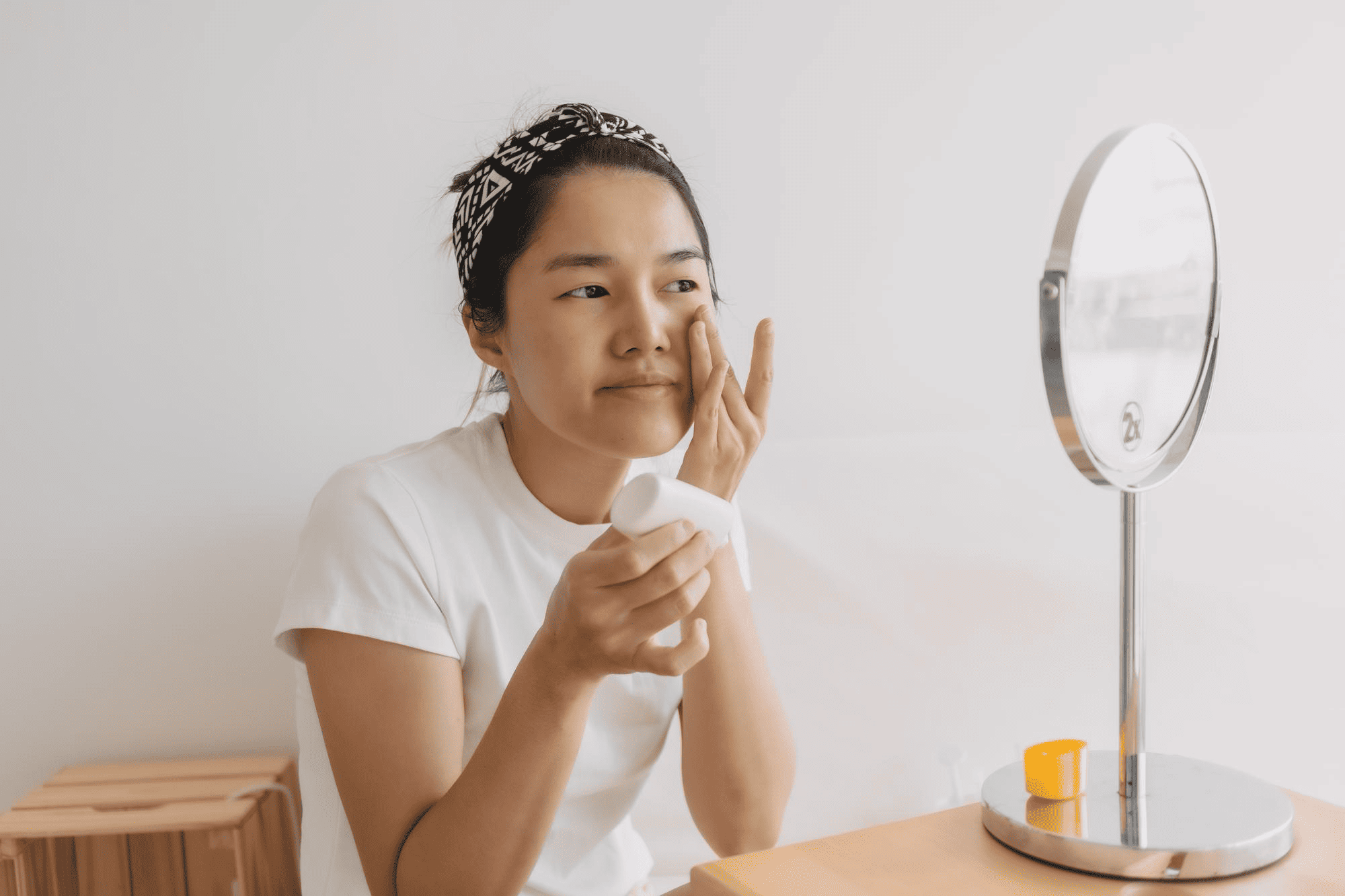
Preventive aging treatments are designed to support skin function and slow visible decline, rather than reverse established damage.
They work by protecting the skin from ongoing stress, stimulating natural repair processes and maintaining structural integrity. The goal is not to stop aging entirely, but to help the skin age more gradually and comfortably.
This approach typically includes:
- Daily sun protection to reduce cumulative UV damage
- Skincare ingredients that support collagen production and barrier health
- Gentle professional treatments that encourage skin renewal without causing excessive trauma
- Lifestyle guidance on hydration, nutrition and sleep quality
The key difference is timing. Preventive care begins before major concerns appear, when the skin is still relatively resilient and responsive.
Why Start Early Instead of Waiting?
Many people delay treatment until wrinkles become deep or pigmentation becomes widespread. By that point, correction often requires more intensive intervention.
Starting earlier allows for gentler, more gradual support. When collagen is still relatively abundant and the skin barrier is intact, smaller adjustments can have a more meaningful impact over time.
Research suggests that consistent sun protection, retinoid use and hydration support can help preserve skin structure more effectively than attempting to rebuild it after years of unprotected exposure.
This does not mean younger skin needs aggressive treatment. It means that thoughtful, consistent care may reduce the need for more invasive procedures later.
The Role of Collagen in Skin Longevity
Collagen is one of the most important structural proteins in the skin. It provides firmness, elasticity and resilience.
As we age, collagen production naturally declines. This process can be accelerated by UV exposure, smoking, pollution and repeated inflammation.
Preventive aging treatments aim to support existing collagen and encourage the skin’s natural production. This may include:
- Topical retinoids, which can stimulate collagen synthesis over time
- Energy-based treatments such as radiofrequency or ultrasound, which may trigger collagen remodelling
- Injectable biostimulators that encourage gradual collagen formation beneath the skin surface
None of these options can replace collagen indefinitely. However, they may help maintain a healthier baseline for longer, reducing the rate of visible decline.
Preventive Aging Treatments vs Reactive Correction
Understanding the difference between prevention and correction can help guide treatment decisions.
|
Approach |
Focus |
Typical Timing |
Treatment Intensity |
|---|---|---|---|
|
Preventive |
Maintain skin health and slow decline |
Before major damage appears |
Gentle, gradual, consistent |
|
Reactive |
Correct visible damage |
After wrinkles, sagging or pigmentation develop |
Often more intensive |
Both approaches have their place. Some people benefit from combining preventive care with targeted correction, depending on their current skin condition and goals.
The important point is that prevention does not replace treatment when correction is needed. It simply offers an additional pathway for those who want to support their skin before major concerns arise.
Common Preventive Options in Modern Skincare
-
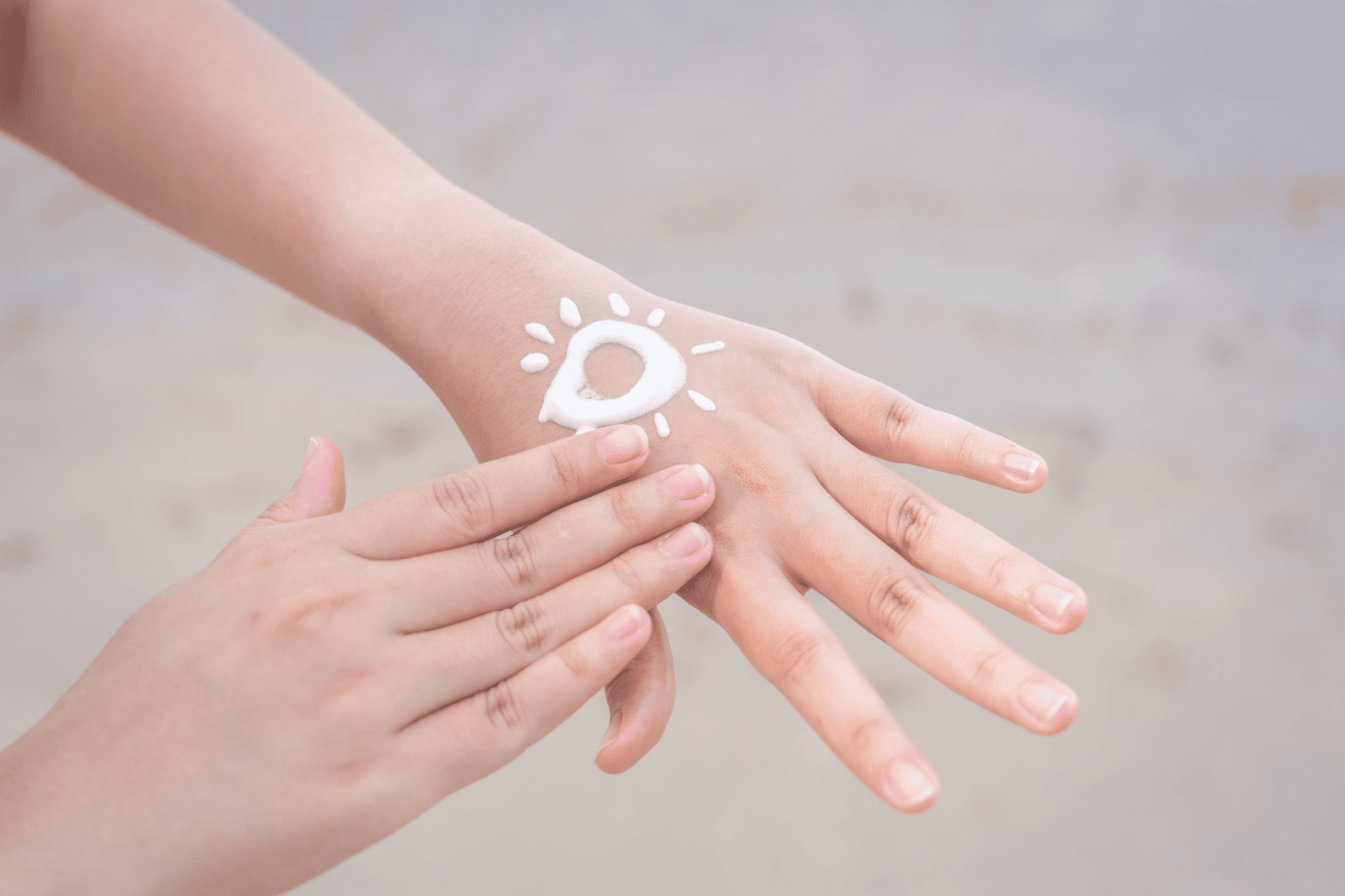
Daily Sun Protection
Broad-spectrum sunscreen remains the most evidence-based preventive measure. UV exposure contributes to collagen breakdown, pigmentation, texture changes and loss of elasticity.
Consistent use may reduce cumulative damage and support the effectiveness of other treatments.
-
Retinoids for Cell Turnover
Topical retinoids can encourage surface renewal, support collagen production and improve skin texture, with strong dermatologist consensus behind their use in preventive routines.
-
Antioxidants for Environmental Defence
Ingredients such as vitamin C, niacinamide and vitamin E may help neutralise free radicals caused by pollution, UV exposure and daily stress. While they do not reverse aging, they may help protect the skin from further damage.
-
Hydration and Barrier Support
Maintaining a healthy skin barrier helps the skin retain moisture, resist irritation and recover from daily stress. This includes using gentle cleansers, moisturisers and avoiding over-exfoliation.
Professional Treatments That Support Prevention
Beyond at-home skincare, certain professional treatments are designed to support skin longevity without causing excessive trauma.
These may include skin boosters that deliver hydration and nutrients directly into the dermal layer, helping to improve skin quality and resilience over time.
Energy-based devices, including radiofrequency and ultrasound, may stimulate collagen remodelling beneath the skin surface. These treatments typically require multiple sessions and work gradually.
Gentle chemical peels can encourage surface renewal without aggressive downtime, helping to maintain even tone and smooth texture when used as part of a consistent care plan.
Biostimulator injectables encourage the body’s natural collagen production over several months. These are often used in preventive care to support facial volume and firmness before significant loss occurs.
The right option depends on individual skin type, lifestyle and treatment goals. A professional assessment can help determine which approach may be suitable.
Who Should Consider Preventive Care?
Preventive aging treatments are not limited to any single age group. However, they are most commonly considered by people who:
- Notice early signs of aging such as fine lines, slight texture changes or uneven tone
- Have a family history of early skin aging or significant sun damage
- Want to maintain their current skin quality for as long as possible
- Prefer gradual, consistent care over intensive correction later
It is also worth considering prevention if you have already undergone corrective treatments and want to protect the results over time.
That said, prevention is not appropriate for everyone. If the skin is already showing significant damage, reactive correction may be a more suitable starting point.
Building a Realistic Prevention Plan
A sustainable preventive care routine should be simple enough to follow consistently. Overloading the skin with too many products or treatments can cause irritation, which may accelerate aging rather than slow it.
A basic plan might include:
- Daily sunscreen with SPF 30 or higher
- A gentle cleanser and moisturiser suited to your skin type
- One active ingredient such as retinoid, vitamin C or niacinamide, introduced gradually
- Professional treatments spaced appropriately, based on skin tolerance and goals
The key is consistency. Preventive care works best when maintained over months and years, not as a one-time intervention.
Support Your Skin for the Long Term
Preventive aging treatments are becoming part of skin longevity care because they offer a more proactive, gradual approach to maintaining skin health.
Rather than waiting for major concerns to develop, prevention focuses on supporting collagen, protecting the skin barrier and reducing cumulative damage before it becomes difficult to correct.
If you are interested in exploring how preventive care might fit into your routine, a professional skin assessment can help identify which treatments may be suitable for your skin type and goals. You can speak to the team at Hebe Clinic about your skin concerns and find out what options may support your skin over time.